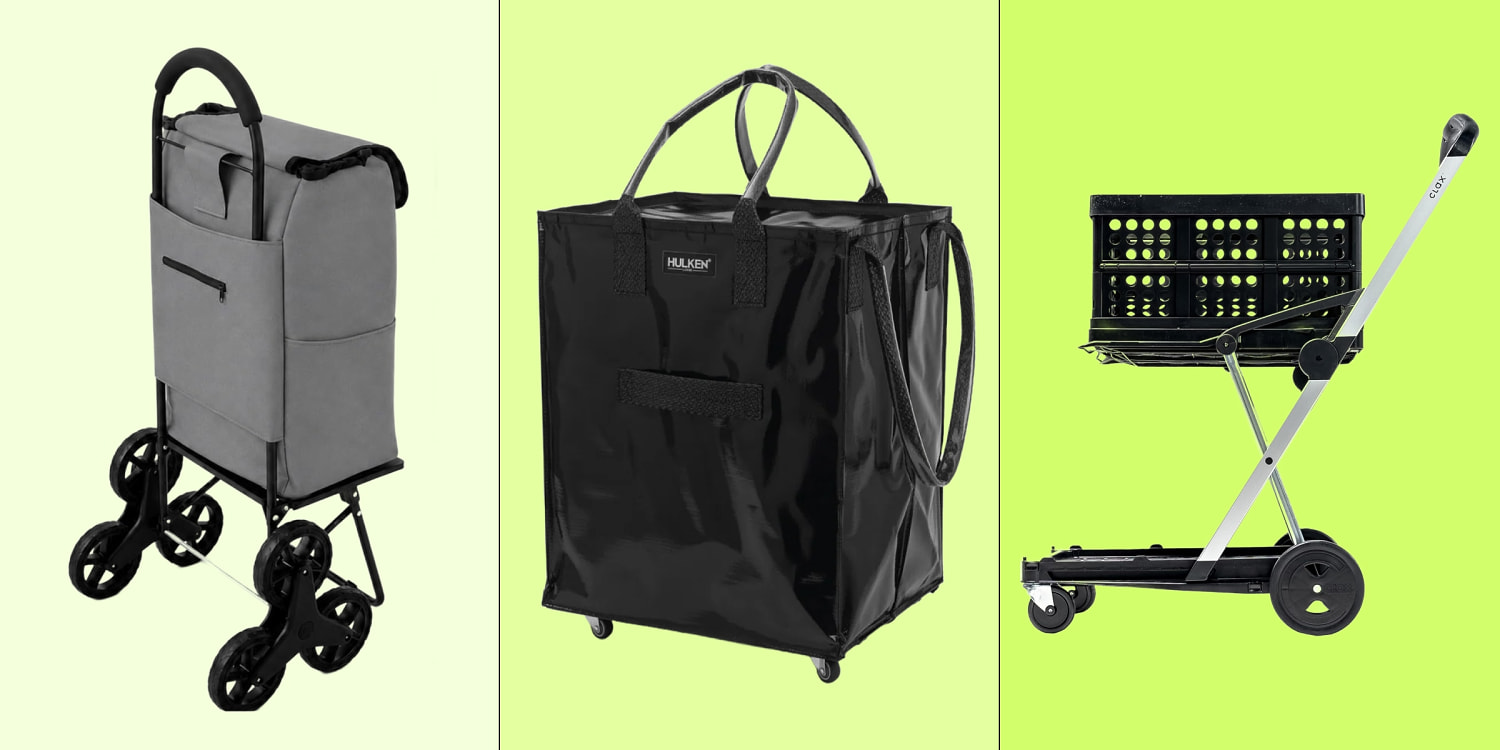
If you live in a dense city without a car, grocery shopping and laundry day are physical endurance tests. You walk blocks with plastic bags cutting off your circulation or pull a rickety wire cart that squeaks, wobbles, and dumps your fresh produce onto the concrete after hitting a single unpaved crack in the sidewalk. The market is flooded with flimsy utility carts and rolling totes marketed as miracle solutions for schlepping goods. Most of them are garbage. They are engineered with cheap polypropylene wheels, brittle plastic joints, and thin steel tubing that bends under the weight of a standard watermelon and a gallon of milk.
To find the best utility carts and rolling totes that actually survive urban terrain, you need to look past the marketing fluff. You need gear built with commercial-grade framework, oversized rubber wheels that absorb shock, and weather-resistant fabrics that do not tear after two months of wet winter slush.
The Anatomy Of A Disposable Cart
Walk down any metropolitan street on a Sunday afternoon and you will spot the graveyard of cheap consumer goods. Abandoned wire baskets with missing wheels, bent handles dragging on the asphalt, and shredded canvas bags tell a clear story. Retailers sell these collapsible wire carts for twenty or thirty dollars because they know replacement cycles are short.
The primary failure point is almost always the wheel assembly. Manufacturers use hard plastic wheels that shatter when slammed against concrete steps or subway grates. Furthermore, the axles are typically held together by flimsy cotter pins that shear off under lateral stress. When you pull a loaded cart at an angle around a tight street corner, immense torque transfers directly to those tiny joints. If the metal is too thin, it snaps.
Another hidden flaw is the connection between the bag and the frame. Many rolling totes rely on weak velcro straps or thin fabric loops that fray when exposed to heavy loads and moisture. Once those anchor points rip, the bag sags, dragging on the ground and wearing a hole through the bottom within days.
What Actually Works On Real Sidewalks
Surviving city streets requires heavy-duty engineering. When evaluating a rolling tote or utility cart for groceries and laundry, commercial durability standards must take precedence over aesthetic trends.
The Wheel Factor
Diameter matters. Tiny caster wheels belong on office chairs, not outdoor haulers. Look for wheels at least six inches in diameter, preferably made of dense rubber or EVA foam rather than hard plastic. Larger wheels roll smoothly over sidewalk cracks, curbs, and debris without catching.
Ball-bearing hubs also change everything. Carts equipped with actual bearings require significantly less pull force, meaning your shoulder and wrist do not absorb the friction of every single rotation.
Frame Integrity
Tubular steel or aircraft-grade aluminum should be the baseline. Avoid stamped sheet metal or thin wire mesh unless it is heavily reinforced. If you can twist the frame with your bare hands before loading it, leave it on the shelf.
The Top Contenders For Heavy Urban Hauling
After testing dozens of models across broken pavement, steep subway stairs, and torrential rainstorms, a few standout haulers prove worth the investment.
Rolser Folding Shopping Cart
Manufactured in Spain, Rolser carts represent the gold standard for pedestrian logistics. Unlike standard wire frames, these utilize high-strength aluminum structures that weigh next to nothing while supporting immense weight.
- Build Quality: The folding mechanism locks securely into place with zero flex.
- Wheel Design: Oversized wheels handle curbs effortlessly. Some models even feature four-wheel configurations that convert from a traditional two-wheel pull to a four-wheel push cart, shifting the weight entirely off your arms.
- The Bag: Waterproof, heavy-density polyester bags clip securely onto the aluminum spine, featuring drawstring closures and large zippered rear pockets for wallets and keys.
The primary drawback is the price point. These are investments, often costing triple the price of a generic department store cart. However, they last for years rather than months.
Brklst Or Heavy-Duty Folding Utility Crates On Wheels
For those who prefer a hard-sided container over a fabric tote, heavy-duty rolling crates offer exceptional utility. These collapsible plastic boxes sit on top of detachable aluminum handle assemblies and feature four spinner wheels.
- Versatility: They double as extra seating or a temporary step stool in a pinch.
- Storage: When not in use, the entire unit folds flat into a compact square that slides behind a door or under a bed.
- The Catch: The telescoping handles on budget variants can feel shaky. Look for models with reinforced aluminum locking bars to prevent the handle from jamming halfway up.
UpCart Lift All Stair-Climbing Cart
Stairs are the ultimate executioner of rolling gear. Standard two-wheel carts require you to lift the entire weight of your load up every single step, pounding your lower back. The UpCart utilizes a unique three-wheel star configuration on each side.
- Physics At Work: As you pull the cart up a staircase, the wheels continuously rotate, allowing one set to step up while the next maintains contact with the riser.
- Load Distribution: This drastically reduces the physical effort required to move heavy loads up brownstone steps or walk-up apartment buildings.
- Durability Tradeoff: The complex mechanical linkage requires occasional maintenance, and the overall footprint is bulkier than a simple folding tote.
Evaluating Fabric Versus Hard Shell Totes
Choosing between a soft fabric rolling tote and a rigid utility cart depends entirely on your cargo profile.
Fabric totes excel at awkward shapes. A bulky bag of dog food, a round watermelon, and a tall box of cereal can squeeze into a flexible canvas tote with room to spare. They are also lighter to carry up flights of stairs when empty.
Conversely, hard-shell rolling crates protect delicate items. If you transport fragile baked goods, fresh berries, or electronics, a rigid plastic crate prevents external impacts from crushing your contents. They are also vastly easier to sanitize if a bottle of laundry detergent leaks or a carton of eggs breaks mid-transit.
The Maintenance Myth
Many consumers buy an expensive cart and assume it requires zero upkeep, only to throw it away when it starts squeaking. Metal axles exposed to road salt, winter slush, and rain will rust.
To extend the lifespan of any rolling hauler, apply a silicone-based lubricant to the wheel axles every few months. Avoid petroleum-based grease, as it attracts street grime, hair, and dust, eventually gumming up the rotation entirely. Check the frame rivets annually. If a joint starts to loosen, tightening or replacing a bolt before it shears saves the entire unit from structural failure.
Stop treating urban transport as a disposable chore. Upgrading to a properly engineered hauler eliminates the hidden tax of constantly replacing cheap gear.


