Britain's military funding is a mess. The long-delayed Defence Investment Plan finally went public, and the government wants everyone to think it solves the crisis. It does not. Instead, the plan reveals a fractured cabinet, a hollowed-out force, and a funding gap that threatens national security.
While Prime Minister Keir Starmer talks up the multi-billion-pound package, Liberal Democrat MPs are putting the real numbers on the table. They are pushing Defence Secretary Dan Jarvis to admit what everyone in Westminster already knows. The government is short-changing the military at the worst possible time.
The Massive Spending Shortfall the Government Tries to Hide
Let's look at the actual math behind this announcement. The Chief of the Defence Staff made it clear that the military needs a minimum of £28 billion over the next four years to rebuild its capabilities. What did Dan Jarvis actually secure after weeks of Whitehall infighting? A settlement of £14.5 billion.
That leaves a massive gap of nearly £14 billion. It is the exact reason why the previous Defence Secretary, John Healey, and the Armed Forces Minister, Al Carns, walked out of the government just weeks ago. They knew the budget was completely unfit for purpose.
The government claims the defence budget will rise to almost £80 billion a year by 2029, hitting 2.7% of GDP. That sounds impressive in a press release. But when you look closer, the funding is heavily backloaded. The immediate threats are happening right now. Russian provocations in the Atlantic and around UK waters are increasing. Relying on spending promises that only kick in years down the line is a dangerous gamble.
How the Money is Actually Being Carved Up
The Ministry of Defence released details on how they intend to spend this cash over the next four years. The priorities show a massive shift toward automation, but they leave traditional forces stretched thin.
- Nuclear Deterrent: Over £63 billion is committed to the nuclear deterrent, including Dreadnought and SSN-AUKUS submarines. This consumes the vast majority of available resources.
- Munitions Stockpiles: The government is putting £11 billion into munitions and weapons to rebuild depleted stockpiles. They want to build six new energetics factories by 2030, which is necessary but late.
- Drone Systems: Around £5 billion is allocated for a drone transformation. This includes £650 million for cheap, expendable autonomous systems for the Army and Special Forces.
- Homeland Protection: A sum of £790 million will go toward protecting bases from air and missile threats.
The emphasis on drones and tech is a direct lesson from the frontline in Ukraine. However, tech cannot replace boots on the ground. The UK regular army has shrunk to its smallest size since the Napoleonic era. Drones are useful, but they do not hold territory.
The Secret Edits and Parliamentary Drama
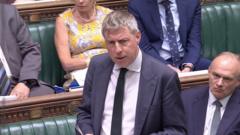
The tension came to a head in the House of Commons during the launch of the plan. Liberal Democrat MP Al Pinkerton directly challenged Dan Jarvis on whether Downing Street forced him to edit his launch speech. Specifically, Pinkerton asked if Jarvis had been ordered to remove a line stating that the Chief of the Defence Staff fully supported the funding level in the plan.
Jarvis denied it. He insisted all service chiefs support the plan. But the exchange highlighted the deep distrust surrounding these numbers. When top military officials privately warn that anything under £18 billion leaves Britain struggling to defend itself, a public show of unity looks incredibly thin.
The Liberal Democrats have been leading the charge to expose the gridlock behind the scenes. The party even planned to table a Humble Address motion. This parliamentary mechanism forces the government to publish hidden documents and internal minutes. They want the public to see the ferocious arguments between the Ministry of Defence and the Treasury that delayed this plan for over six months.
A Smarter Way to Fund National Security
The standard political response to a funding crisis is either to borrow more money or cut other public services. The Conservatives want to slash the welfare budget to pay for guns. Labour is raiding capital budgets from other departments, cutting road and energy projects by 1% to patch the hole. Both approaches create massive domestic problems.
There is a realistic alternative that the government is ignoring. Liberal Democrat Leader Ed Davey has pushed for a £20 billion Defence Bonds programme. This would work similarly to the green gilts issued a few years ago.
By issuing time-limited, capped defence bonds to the public, the government could raise billions for capital spending immediately. It gives citizens a way to invest directly in national security without piling up standard state debt or stripping money away from hospitals and schools. Nations like Poland have already used similar debt-financing models through their National Development Bank to modernise their militaries quickly.
The government also needs to look at taxing the excess profits of giant tech firms by raising the Digital Services Tax. Relying on accounting tricks and departmental raids will not build a credible deterrent against modern threats.
Moving Past Whitehall Gridlock
The NATO summit in Ankara is fast approaching. Member states are expected to discuss a path toward spending 5% of GDP on total resilience, with 3.5% dedicated to core defence. The UK is currently lagging far behind that trajectory.
If the government wants a military that can actually deter aggression, it has to stop treating defence spending like a political football. Ministers cannot protect the country with unpublished reports and compromised budgets.
The next step requires real transparency. The government must face the Defence Select Committee and answer for the actual shortfall. Relying on tech buzzwords and backloaded funding figures will not fool Britain's adversaries. It is time to implement a dedicated, ring-fenced funding mechanism like Defence Bonds to fix the structural holes in the military budget before it is too late.


