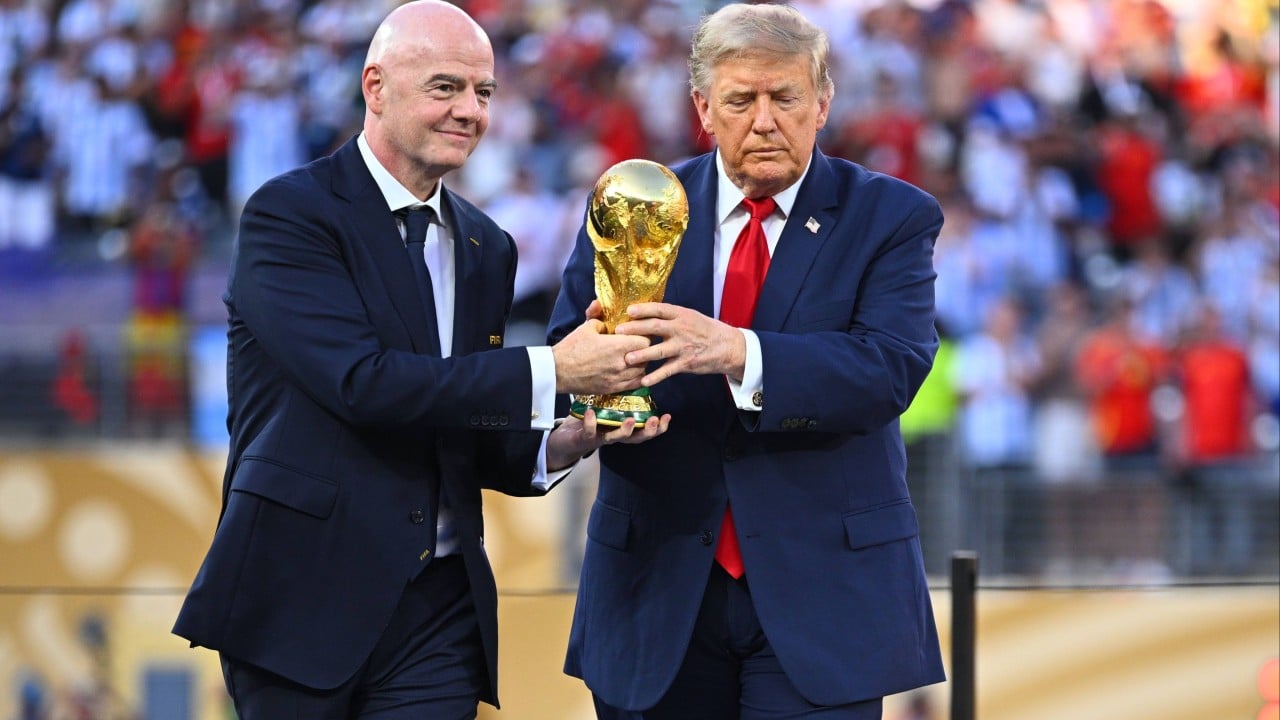
The internet loves a good David versus Goliath fairy tale. Slap together a headline claiming European football powerhouses are ready to pull the plug on the greatest show on earth to fight off corporate greed, and the clicks roll in by the million.
It makes for a great digital soap opera.
It is also entirely detached from economic reality.
Every few months, the rumor mill grinds out another fantasy about UEFA staging a mass walkout over FIFA initiatives, private equity cash injections, or expanded tournament formats. Fans nod along, commentators clutch their pearls, and everyone pretends that multi-billion-dollar sports governance is run by a collective of idealistic university students.
Let us clear the air right now. A total UEFA boycott of the FIFA World Cup is never happening. Not this year, not next decade, not ever.
Anyone telling you otherwise is either selling clicks or has spent zero time inside the commercial engine rooms of European football.
Follow The Balance Sheet
To understand why a boycott is a pipe dream, you have to look past the moral posturing and stare directly at the bank statements.
Football is not a charity. It is a hyper-capitalized, global entertainment conglomerate. UEFA and its member associations operate on razor-thin margins of operational risk compared to their absolute revenue dependency on international exposure.
I have sat in rooms where executives talk about broadcast rights, sponsorship tiers, and commercial valuation models. When you strip away the club ties and regional pride, the entire ecosystem is built on a simple financial loop.
- The World Cup drives global viewership numbers into the billions.
- Viewer eyeballs translate directly into multi-year broadcast rights contracts.
- Those broadcast rights fund the grassroots programs, domestic leagues, and continental competitions that keep national federations afloat.
If UEFA actually pulled out of a World Cup, they would instantly trigger a catastrophic contractual breach with every major media partner, kit supplier, and corporate sponsor on the planet. The financial fallout would bankrupt at least half of the European football federations within six months.
You do not destroy your own revenue foundation to protest a private investment plan. You negotiate behind closed doors, trade favors, and secure a bigger slice of the pie.
The Myth Of Moral Leverage
The lazy consensus in modern sports journalism is that sports bodies possess endless moral high ground. We are told that federations can simply opt out when they disagree with governance styles or funding structures.
This view ignores how power actually concentrates in global sport.
FIFA holds the primary asset: the trademark, the tournament history, and the global broadcast monopoly of the quadrennial world championship. UEFA holds the talent—the players who actually lace up their boots and make the game watchable.
On paper, that sounds like a balanced standoff. In practice, it is a game of chicken where UEFA is driving a bicycle and FIFA is piloting an aircraft carrier.
If UEFA boycotts, FIFA simply runs the tournament without them or pivots to alternative qualification pathways. The tournament brand survives. Meanwhile, European players—whose primary ambition is to lift that specific golden trophy—would stage an internal revolt against their own governing bodies long before a boycott ever took official effect.
Top-tier athletes do not sacrifice their peak career windows, legacy-defining moments, and commercial marketability for administrative turf wars.
The Real Power Struggle
So, what is actually happening behind those closed boardroom doors?
It is not a holy war between pure-hearted European traditionalists and corrupt global bureaucrats. It is a classic corporate turf war over control of the cash flow.
FIFA wants to diversify its revenue streams, tap into private capital markets, and expand club-level global events to capture emerging fanbases in Asia, North America, and the Middle East. UEFA looks at those plans and worries about market share. They are not mad about private investment because it is unethical; they are mad because they want to control the investment vehicles themselves.
Whenever you hear about an impending boycott, translate it immediately into plain English. It means European executives are unhappy with their current commission rate and are using public relations pressure to renegotiate their payout.
It is corporate extortion disguised as activism. And it works every single time, because FIFA inevitably slides a few extra hundred million dollars into regional development funds to keep everyone happy.
Stop Falling For The Drama
The next time a breathless headline flashes across your screen warning of an imminent continental mutiny against world football headquarters, take a deep breath.
Look past the dramatic language. Ignore the fabricated quotes from anonymous insiders. Check who stands to lose money if the match actually gets canceled.
The system is too interconnected, too profitable, and too dependent on mutual survival to ever tear itself apart over a governance dispute.
The game goes on. The cash keeps flowing. And the threat of a boycott remains what it has always been: empty theater for the masses.