The skyline of Dubai isn't just a collection of glass and steel anymore. Lately, it's become a high-stakes physics lab where multi-million dollar interceptors meet Iranian-made drones in mid-air. If you've been following the news from Abu Dhabi or checking flight statuses at DXB, you've seen the headlines. The UAE Ministry of Defence just dropped some staggering numbers that put the scale of this "shadow war" into perspective.
Since the start of the current West Asia conflict, the UAE has intercepted 341 ballistic missiles, 15 cruise missiles, and exactly 1,748 drones. That’s not a typo. We’re talking about nearly 2,000 aerial threats neutralized over one of the most densely populated and economically vital regions on the planet. Just this past Saturday, March 21, 2026, the systems were at it again, knocking down three ballistic missiles and eight UAVs launched from Iran.
While the "business as usual" vibe in the malls remains, the reality in the skies is much grittier.
The Human Cost Behind the Statistics
Numbers are cold, but the impact isn't. Despite the high success rate of the UAE’s air defense umbrella, the "perfect shield" is a myth. When a missile is hit at Mach 3, the debris has to go somewhere. We've seen tragic outcomes that the official stats don't hide. Two members of the UAE armed forces have died in the line of duty. Additionally, six civilians—nationals from Pakistan, Nepal, Bangladesh, and Palestine—lost their lives when fragments hit residential areas or vehicles.
The injury list is even longer. 160 people have been treated for everything from minor shrapnel wounds to severe blast injuries. These aren't just names on a page; they're the delivery drivers, construction workers, and residents who make the UAE run. We've seen reports of debris falling near Zayed International Airport and even smoke rising near the 23 Marina tower in Dubai Marina. It's a reminder that even a "successful" interception carries a heavy price tag.
Why Iran is Aiming at the UAE
You might wonder why a country known for tourism and global trade is suddenly a primary target. It boils down to geography and military partnerships. The UAE hosts critical Western assets, including Al Dhafra Air Base, which houses US forces, and Al Minhad Air Base, used by the UK and Australia.
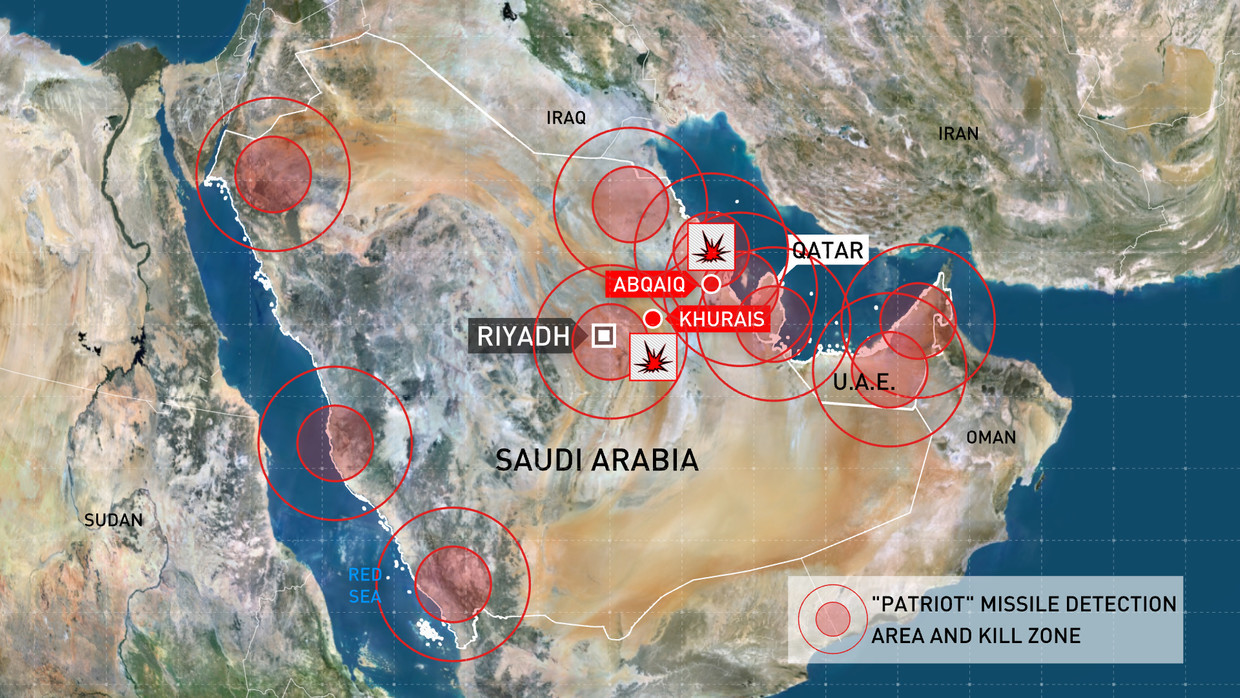
When Iran launches a "Shahed" drone or a ballistic missile, they aren't just attacking a city; they're sending a message to the Western coalition. The UAE has spent decades building what's arguably the most sophisticated air defense network in the Middle East. They use a layered approach:
- THAAD (Terminal High Altitude Area Defense): For those high-flying ballistic missiles.
- Patriot PAC-3: The workhorse for mid-range threats.
- Pantsir-S1: For the low-flying, "suicide" drones that try to sneak under the radar.
Without this multi-layered net, places like Jebel Ali Port or the Palm Jumeirah would look very different today. We saw a drone strike near the Fairmont The Palm recently that shattered windows and caused fires. It’s scary stuff, honestly. But the fact that the city didn't grind to a halt shows just how resilient the infrastructure has become.
Living Under the Shield
If you're living in Dubai or Abu Dhabi right now, the advice from the Ministry of Interior is pretty direct: don't ignore the sirens. The National Warning System isn't there for decoration. When you hear that "loud boom" that everyone talks about on X (formerly Twitter), it’s usually the sound of a missile meeting its end.
The government has already started taking precautionary measures that affect daily life. We've seen shifts to remote learning for schools and even the cancellation of major public events during Eid Al Fitr. It’s a "new normal" that feels surreal given the luxury surrounding us.
What to do during an aerial alert
- Move indoors immediately: Most injuries come from falling glass or shrapnel, not the direct strike.
- Stay away from windows: High-rise glass is a major hazard during a blast.
- Check official sources: Avoid the WhatsApp rumors. The UAE Ministry of Defence and the Dubai Media Office are the only ones with the real data.
- Don't film the sky: Aside from being dangerous, the government is strict about sharing footage of military interceptions for security reasons.
The Economic Ripple Effect
The UAE isn't just defending its people; it's defending its status as a global hub. Aviation is the lifeblood here. When an "unidentified object" (read: a drone) is detected near Dubai International (DXB), the airport shuts down. We saw this happen at Terminal 3, leading to evacuations and massive flight delays.
The resilience of the UAE's economy depends on people feeling safe enough to fly in and out. So far, the air defense systems have maintained that confidence, but the pressure is mounting. Shipping through the Strait of Hormuz is already a nightmare, and if the aerial attacks continue to escalate, we might see a more aggressive military response from Abu Dhabi.
The Inevitable Question of Retaliation
The UAE has shown a lot of restraint so far. They've focused on defense while the US and Israel trade blows with Iran. But there’s a limit. If a missile hits a major landmark like the Burj Khalifa or causes a mass casualty event at a mall, the "defensive-only" stance will vanish.
The UAE Air Force is no joke. Their F-16 Block 60s are actually more advanced than many versions the US flies. They’ve got the pilot skill and the hardware to strike back if they choose to. For now, the focus remains on the "shield," but the "sword" is definitely being sharpened in the background.
If you're traveling to the region or living there, keep your notifications on. The situation is moving fast, and while the interceptors are doing their job, the sky over the Gulf has never been more crowded. Stay safe and stay informed through the official channels—don't let the rumors do the talking.