Walk down Avenue Habib Bourguiba in Tunis on a Friday afternoon and ask twenty-somethings what they think about service national, and you'll get a shrug, a wry smile, or a quick change of subject. That reaction tells you almost everything you need to know. For years, mandatory military or civic service in Tunisia looked like a dusty leftover from another era—something people dodged, postponed, or treated as an annoyance rather than a real stepping stone. Now, the Tunisian army is trying to pull young people back toward service national, pitching it less as a punishment and more as a practical bridge into adulthood, job training, and civic purpose.
Honestly, it's a tough sell. When you're twenty-two, watching inflation eat away at your purchasing power, seeing university degrees struggle to guarantee decent pay, and wondering if staying put or leaving on a boat or plane makes more sense, twelve months in uniform doesn't sound urgent. Yet that exact tension—between state security and youth survival—is why this push matters so much.
What Service National Actually Means Today
If you picture service national purely as endless drill sergeants screaming on a parade ground, you're working off an outdated mental map. Historically, Tunisia's conscription framework existed to build a reserve force and instill civic discipline, while allowing exemptions, deferrals, and alternative paths depending on family status, education, or health. Over time, enforcement drifted, exemptions piled up, and a massive gap opened between the law on paper and everyday life on the street.
When military leaders talk about bringing young men—and expanding conversations around youth participation—back into service national, they're trying to close that gap without triggering a backlash. That's a delicate wire to walk. Force compliance too aggressively when youth unemployment is high, and you create resentment. Leave it purely voluntary in practice, and nobody shows up unless the incentives actually make sense.
From what I've seen watching North African labor markets and civil-military debates up close, recruits don't respond to slogans about duty alone. They ask concrete questions. Will this help me get hired? Will I learn a trade? Will I lose a year of income I can't afford to lose? If the answer to those questions feels vague, the pitch falls flat.
Why Young Tunisians Hesitate to Sign Up
Let's not sugarcoat why young people push back. Trust between younger generations and state institutions has been strained for well over a decade, shaped by economic stagnation, political gridlock, and limited upward mobility. Ask a young mechanic in Sfax or a recent graduate in Sousse why they're hesitant, and you won't hear a philosophical essay on pacifism. You'll hear about bills, family expectations, and time.
Time is the big one. A year out of the workforce or away from casual gigs feels expensive when every dinar counts. Even if a program promises structure and camaraderie, young people worry about getting stuck in low-skill tasks that don't translate onto a resume.
There's also a cultural divide to reckon with. Many young Tunisians feel globally connected through phones, social media, and international study or work aspirations, while traditional state institutions can feel slow and hierarchical. Bridging that gap takes more than a press release. It takes real credibility.
- Economic opportunity cost: Taking time away from entry-level work, internships, or family businesses creates immediate financial friction.
- Credibility gaps: Past inconsistencies in how rules were applied make young people skeptical about fairness and exemptions.
- Career relevance: Recruits want tangible skills—logistics, tech, driving, construction, public works—not just basic routines.
- Migration pull factors: Many youths view mobility abroad as their primary survival strategy, making domestic commitments feel secondary.
How the Army Is Trying to Reframe the Pitch
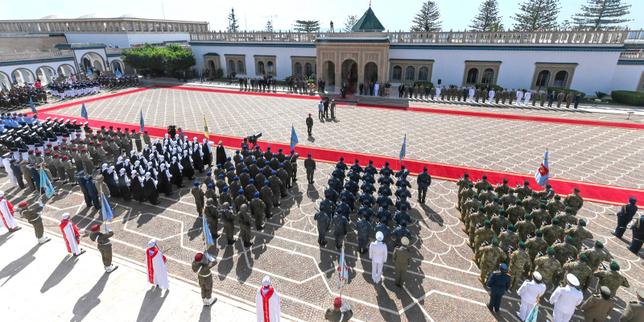
To win back skeptical youth, the armed forces have leaned heavily into a different narrative. Instead of framing enlistment strictly around combat readiness, the emphasis has shifted toward civic service, technical training, infrastructure support, and personal development. Think vocational value mixed with national solidarity.
That shift makes strategic sense. Tunisia's military has long maintained a reputation distinct from neighboring regimes for staying out of day-to-day partisan politics, which gives it a unique baseline of institutional familiarity. Still, goodwill isn't a blank check. If a young recruit feels like cheap labor rather than a trainee, word spreads fast across group chats and neighborhoods.
What actually works in programs like this is visible progression. When participants see clear pathways—such as certifications, technical assignments, or structured support afterward—the resistance softens a bit. When it feels opaque, rumors fill the void.
Real Trade-Offs Nobody Can Dodge
Let's be real about the constraints here. You can't magically fix structural unemployment with a service program, and you can't turn every draftee into a software engineer overnight. Budget realities, training capacity, and administrative bottlenecks all put limits on how fast the army can scale up attractive tracks.
There's also a policy debate that doesn't get enough honest airtime. Should service national be a universal obligation, a targeted skill-building track, or a flexible civic model that includes non-military public service? Each option carries trade-offs. Universal rules look fair on paper, yet enforcing them unevenly breeds anger. Targeted tracks help specific cohorts, yet critics ask why some youths are included while others opt out.
For anyone studying or living through this shift, keep an eye on implementation rather than announcements. Announcements are easy. Showing up at a barracks or training center six months later and seeing whether the promised facilities, stipends, and training actually exist is the real test.
Practical Next Steps for Young People and Families
If you're a young Tunisian, a parent, or someone following how service national is evolving, don't rely on secondhand rumors from neighborhood cafés or viral clips. Check official defense and civic service notices directly, verify current rules on deferrals and exemptions, and map out how any service period fits your education or work timeline.
If you're weighing enlistment or planning around it, write down your concrete goals before making a move—whether that's a specific trade skill, a break in routine, or clearing administrative obligations—and ask pointed questions about daily schedules, allowances, and training outcomes. Clarity beats guesswork every single time, especially when your time and livelihood are on the line.