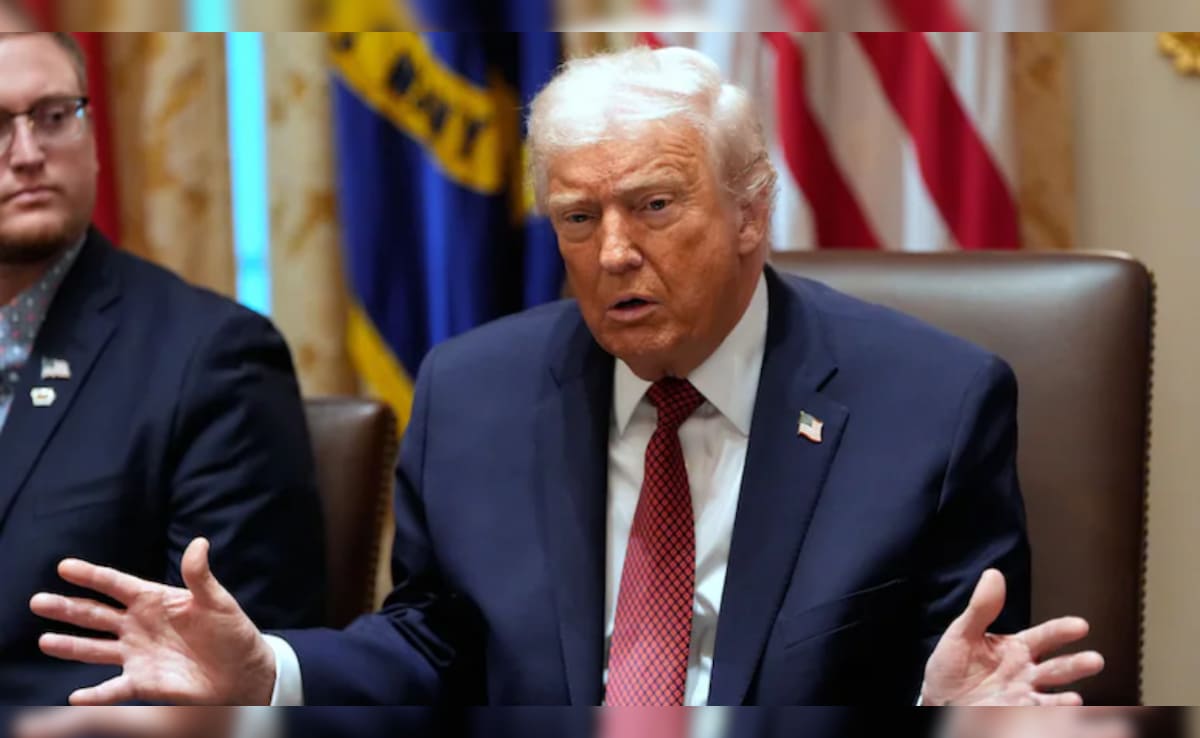
Donald Trump wants America to build artificial intelligence faster than anyone else, but his own base is starting to push back.
The fracture lines inside the Make America Great Again movement are widening. While the White House views the technology race as a mandatory geopolitical battle against China, the grassroots movement sees something else entirely. They see job losses, corporate overreach, and massive data centers disrupting local communities.
The tension boiled over recently when President Trump abruptly dropped a planned executive order on AI models. The document, titled "Promoting Advanced Artificial Intelligence Innovation and Security," aimed to establish a voluntary process for reviewing frontier models before release. It was hands-off, highly deferential to tech companies, and explicitly stated it wouldn't create mandatory government licensing.
Yet, a few phone calls from Silicon Valley allies, including tech investor David Sacks, torpedoed the order at the final minute. Trump told reporters he postponed it because he didn't want anything to "get in the way" of leading China. That sudden reversal exposed a massive strategic mismatch between the administration's elite tech donors and its working-class voters.
The Three Factions inside the West Wing
The White House isn't speaking with one voice on this issue. Senior officials indicate that three distinct camps have formed in the West Wing, turning tech policy into a shifting battlefield.
The first group pushes for total deregulation. Led by figures like Sacks, this faction believes any government guardrail weakens American competitiveness. They want light-touch rules to give domestic tech firms maximum freedom to innovate and scale.
On the opposite side sits the national security camp, featuring Defense Secretary Pete Hegseth and his deputy Emil Michael. These tech hawks worry about powerful models falling into foreign hands. They argue that a lack of oversight makes it too easy for rivals like Beijing to skim American intellectual property or misuse advanced systems for offensive operations.
Then there's the middle ground. Chief of Staff Susie Wiles and Treasury Secretary Scott Bessent have tried to broker a framework where tech firms voluntarily share new models with the government before launch. For now, the deregulatory wing is winning the President's ear, but the internal debate remains unresolved.
Grassroots Backlash in Rural America
While Washington insiders debate regulatory philosophy, regular voters are reacting to the physical reality of the tech boom.
Huge data centers are popping up across states like Texas, straining local power grids and drawing fierce opposition from lifelong conservatives. Groups like Humans First, led by conservative activist Amy Kremer, are actively warning voters about the societal disruptions tied to rapid automation.
Rural County Voting Trends for Trump:
2016: 59%
2020: 65%
2024: 69%
This presents a serious political problem. Trump won roughly 90% of rural U.S. counties in recent elections, according to data from the Economic Innovation Group. His margin in these communities grew steadily over three election cycles. But these exact voters are the ones most vulnerable to automation and local utility spikes. If the populist base connects tech expansion to personal economic pain, the administration's policy framework will face severe resistance.
The Looming Midterm Liability
The political timing couldn't be worse for the Republican party as the 2026 midterm elections approach. Public anxiety over household budgets is high, and opposition candidates are already seizing on tech-driven economic anxiety.
Democrats in competitive swing districts have started leaning heavily into the issue of "surveillance pricing"—where companies use data algorithms to dynamically adjust consumer prices online. Candidates are packaging these anti-AI initiatives into broader "stop the scams" platforms aimed at working-class families.
Republican incumbents in manufacturing and industrial hubs are finding themselves cornered. They have no unified party platform to address voter fears regarding job displacement. The White House bet that framing tech development as a patriotic duty to beat China would satisfy the base. That bet is failing. Voters are linking the technology to corporate greed and local disruption much faster than the administration anticipated.
How to Navigate the Shifting Tech Landscape
The political volatility means tech leaders and policy analysts can't rely on backroom access to ensure long-term stability. The current corporate strategy is built on a fragile foundation.
If you're managing an organization exposed to these policy shifts, stop assuming that executive branch access guarantees permanent deregulation. Congressional shifts in the midterms could easily lead to legislative rollbacks of existing executive policies.
Focus on building transparency directly into your regional deployments. If you're building infrastructure, negotiate local energy agreements that protect consumer utility rates before breaking ground. Companies that proactively address community impact and worker retraining will survive the shifting political tides. Those relying solely on top-down political protection are bound to get caught in the crossfire.