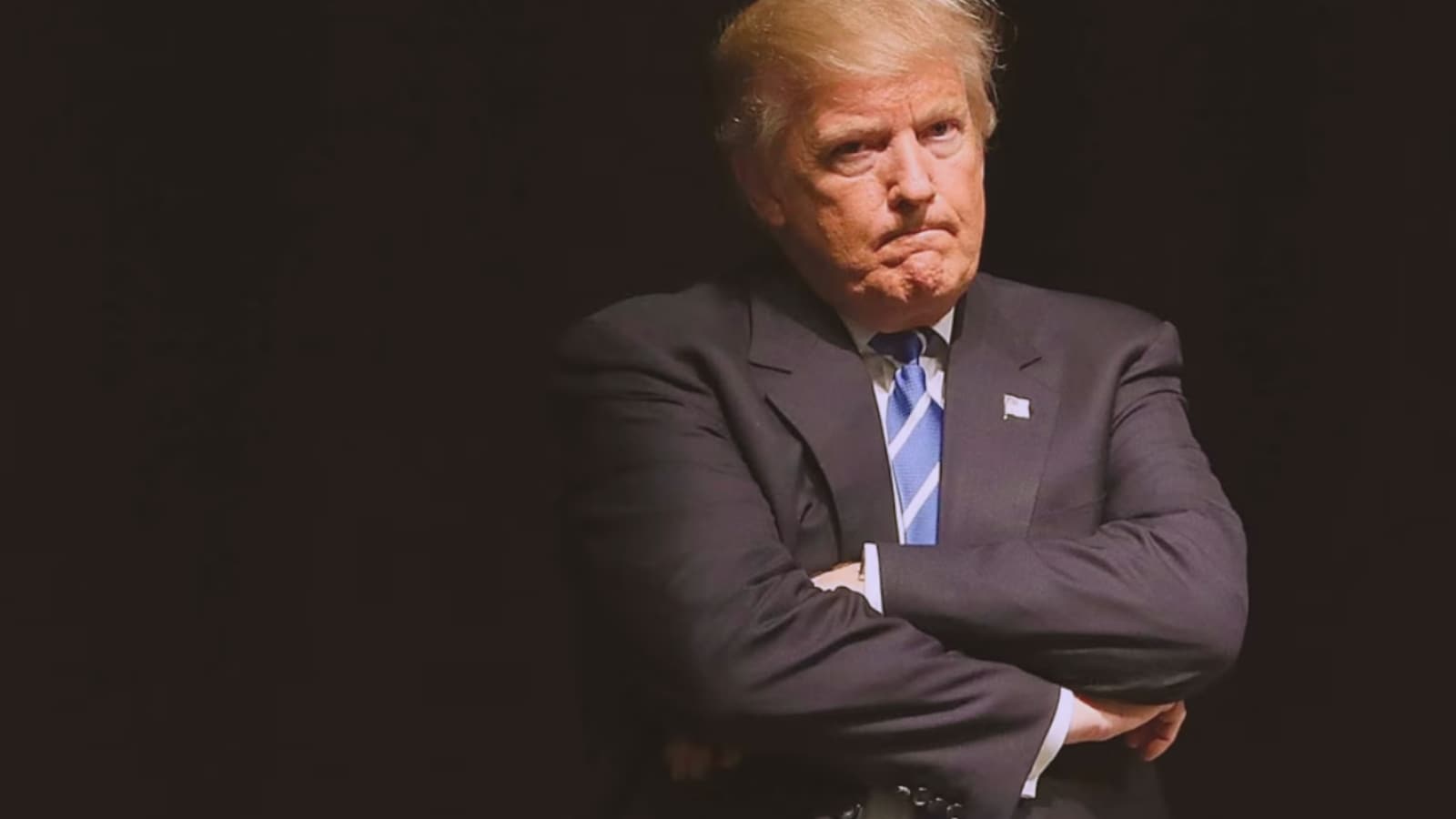
The White House just threw another massive wrench into federal budgeting. President Donald Trump pushed to block more than $800 million in domestic spending that Congress already signed into law, dragging open a bitter constitutional fight over who actually controls the national checkbook.
If you think this is just standard political theater, look closer. This move relies on a controversial, dusty budget tactic known as a pocket rescission. Critics call it a direct assault on the legislative branch, while the administration treats it as an exercise of executive muscle.
What a Pocket Rescission Means for Domestic Programs
You won't find many casual observers who understand how a pocket rescission works, mainly because it's rarely used. Last year, the administration pulled a similar maneuver to block $4.9 billion in foreign aid. Back then, the Supreme Court let the tactic stand temporarily while legal battles crawled forward.
Now, the target has shifted inward. Instead of foreign assistance, the White House set its sights on domestic initiatives. Programs taking direct hits include migrant student support, justice department initiatives aimed at lowering racial friction, minority business development funds, and housing counseling services.
Lawmakers on Capitol Hill are furious. When Congress passes an appropriations bill and the president signs it, the expectation is simple: the money gets spent. By freezing these dollars right as the fiscal year hits its final hours, the executive branch effectively nullifies the legislative process without waiting for a formal repeal vote.
The Power of the Purse Under Siege
The United States Constitution gives Congress the power of the purse. Article I is explicit about that. Yet modern executive power has stretched those boundaries until they snap.
When watchdogs like the Government Accountability Office label these maneuvers illegal, the administration barely blinks. They know the courts move slowly. By the time judges issue final rulings, the fiscal year has usually expired, rendering the specific funds a ghost in the accounting system.
It's a high-stakes game of clock-running. Agencies are left scrambling, grantees don't get their checks, and local communities bear the brunt of sudden financial blackouts.
Where This Fight Leads Next
Don't expect a neat compromise. The friction between executive overreach and legislative authority defines modern Washington politics. Every time a president tests the limits of impoundment control acts, the baseline of federal power shifts just a little bit further.
If this $800 million freeze survives legal scrutiny or runs out the clock, future administrations will adopt the playbook instantly. Congress might hold hearings and issue stern press releases, but words don't stop executive agencies from sitting on cash. The real battle won't be fought on television news segments; it'll drag through federal district courts until the next budget cycle forces an entirely new collision.
This video provides a direct visual report and analysis of the administration's decision to cancel congressionally approved funds.