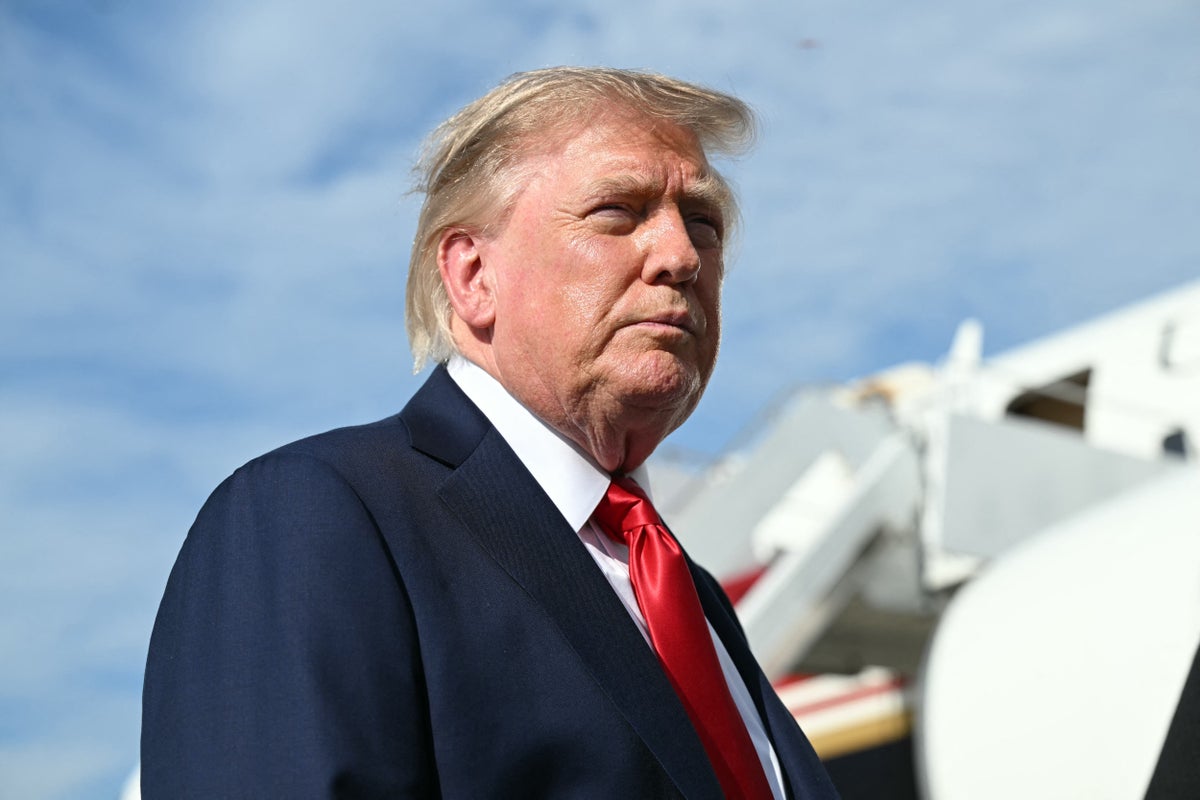
The mainstream media is hyperventilating over a flight tracking map. When a U.S. Air Force C-17A touched down at Vnukovo International Airport, carrying CIA Director John Ratcliffe straight into the heart of Moscow, the pundit class lost its collective mind. Headlines screamed about backdoor peace deals, imminent nuclear confrontations, and secret ultimatums regarding NATO borders. Donald Trump brushed it all off as a "semi-routine" chat, urging everyone to calm down because something might come out of it.
Both narratives are missing the forest for the trees.
To understand why this rare intelligence pilgrimage matters, you have to strip away the theater of modern diplomacy and look at the brutal mechanical realities of the grinding war in Ukraine. The lazy consensus claims this was either a breakthrough peace summit or a stern warning against testing NATO. Neither holds up to baseline scrutiny. Intelligence chiefs do not fly into enemy capitals on heavy transport aircraft for chatty coffee mornings or theatrical finger-wagging. They go when conventional diplomatic channels have completely fractured and the risk of an uncalculated escalation threatens the core survival of the state actors involved.
The Myth of the Routine Backchannel
Let us establish a baseline of operational reality. The last time a sitting CIA director traveled to Moscow for face-to-face talks was November 2021, when William Burns went to warn Vladimir Putin against invading Ukraine. That warning failed to stop the tanks, but it established a precedent: high-level spy chief transit only happens at historic inflection points.
To call Ratcliffe’s trip "semi-routine" is political misdirection of the highest order. Intelligence directors do not board military transports to Moscow during an active, high-intensity continental war just to swap pleasantries or discuss regional weather patterns. When backchannels bypass the State Department and run directly through the spymasters, it means one thing: the political leadership on both sides is flying blind and needs an unvarnished, untappable line of communication to prevent a catastrophic miscalculation.
The immediate context makes this crystal clear. Before Ratcliffe’s plane touched down, Washington quietly requested that Kyiv temporarily suspend long-range drone and missile strikes targeting Moscow and surrounding regions. Think about the sheer operational weight of that request. The White House had to intervene directly in Ukraine's targeting matrix, pausing a vital asymmetric advantage—strikes on Russian energy infrastructure and logistics hubs—just to ensure American personnel could land and depart without getting incinerated by stray debris or air defense anomalies.
You do not halt an ally's offensive momentum for a routine chat. You do it because the stakes are existential.
Dismantling the NATO Aggression Panic
Mainstream reports rushed to link Ratcliffe's flight to fresh intelligence assessments warning that Moscow might test NATO resolve with a limited military incursion in the Baltics. This is lazy, recycled Cold War boilerplate designed to juice ratings and keep defense budgets bloated.
Russia is currently slogging through a grinding, attritional war of position in Ukraine that has consumed hundreds of thousands of casualties and exhausted vast stockpiles of heavy armor. The notion that Moscow—strained by domestic economic pressures, reliant on external alignments for military hardware, and deeply fixated on the southern and eastern theater—is actively planning a simultaneous conventional strike on a NATO member state defies basic military logistics. A secondary front against the entire alliance is a fast track to structural suicide.
If Ratcliffe was in Moscow, he was not there to issue a melodramatic Hollywood warning about crossing a red line in Latvia. He was there to manage the dangerous friction points where U.S. and Russian interests are actively bleeding into one another.
The Real Driver: The Middle East Bleed-Over
The missing puzzle piece that most analysts refuse to confront publicly is the convergence of the Ukraine theater with the raging geopolitical crisis involving Iran.
Moscow and Tehran have formalized a comprehensive strategic partnership. Iranian drone technology, missile components, and logistical blueprints have fueled the Russian war machine in Ukraine. In exchange, the architecture of Russian military and intelligence support to Tehran has deepened significantly. As the Middle East war intensifies and U.S. assets, bases, and personnel in the region face persistent threats, Washington is staring down a grim reality: Moscow holds significant leverage over the operational environment facing American forces thousands of miles away from the European steppe.
Ratcliffe’s trip was an intelligence-level collision over global flashpoints. When superpower proxies start overlapping to this degree, the risk of a localized escalation triggering a global shockwave skyrockets. The spymasters had to meet face-to-face to draw hard boundaries on where their proxy conflicts can bleed without detonating a direct kinetic collision between Washington and Moscow.
What the Peace Narrative Gets Wrong
Trump insists that both Moscow and Kyiv are ready for a settlement and that "something may come out of it." While political fatigue is real on both sides, a negotiated settlement is not forged by a four-hour layover at Vnukovo airport.
Peace requires a mutually hurting stalemate where both sides believe the cost of continuing the fight outweighs any conceivable gain. Neither side has reached that psychological tipping point yet. Ukraine believes its deep-strike campaign against Russian infrastructure can inflict enough domestic pain to crack the Kremlin's resolve. Moscow believes its industrial capacity and demographic depth will outlast Western political will and financial backing.
When intelligence chiefs meet in the middle of this stalemate, they are not negotiating peace treaties. They are establishing guardrails. They are trading parameters on restraint, defining acceptable rules of engagement for asymmetric warfare, and ensuring that neither side accidentally crosses a threshold that turns a regional proxy conflict into a direct superpower war.
Stop looking at this visit as a sign that the war is magically ending. Start looking at it as a symptom of how perilously close the margins have become. The adults in the room had to fly into the lion's den because the automated systems of escalation are spinning dangerously fast.
The next time a major geopolitical headline tries to comfort you with the word routine, check your armor.