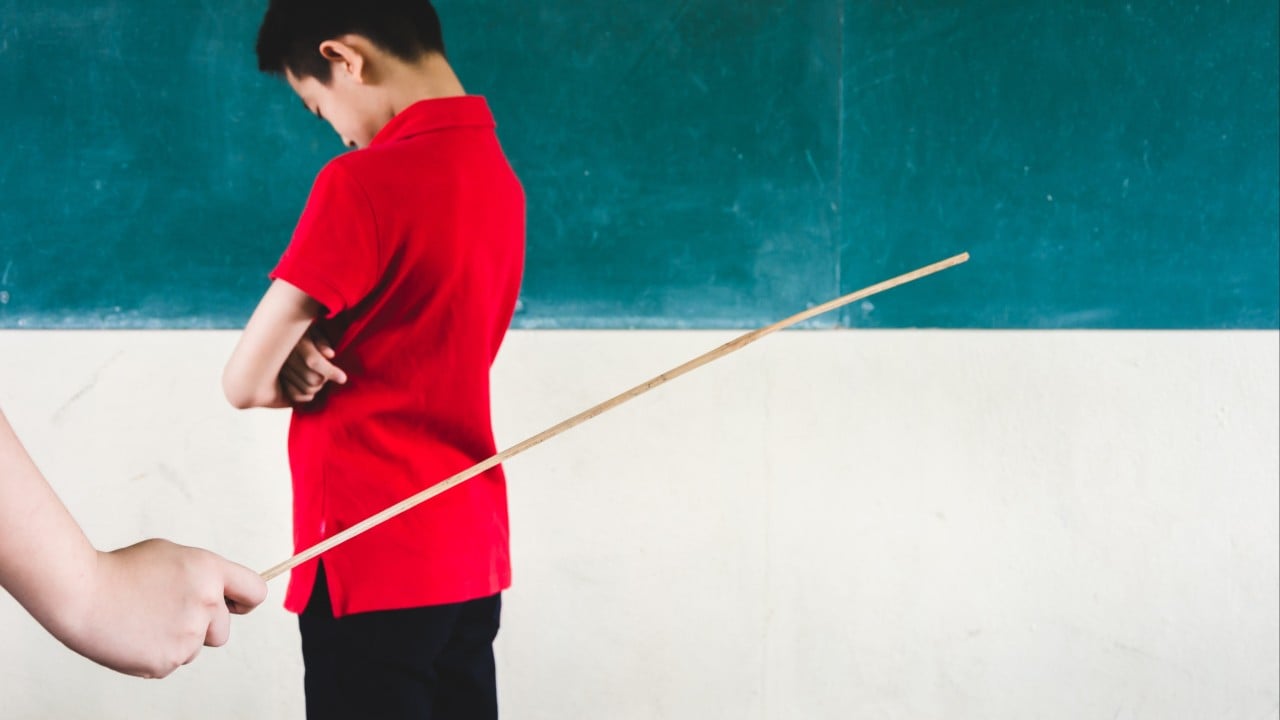
We were told the era of the cane was over. On March 25, 2025, Thailand officially stepped into the light as the 68th country to outlaw corporal punishment in all settings. Section 1567 of the Civil and Commercial Code was rewritten to scrub out the "right to punish" and replace it with a mandate to "reprimand and educate with reason." It sounded like a victory lap for child rights.
But here we are in 2026, and the reality in the classroom hasn't caught up with the ink on the paper. Walk into a provincial school or even some high-stakes Bangkok academies, and you'll find that the "resurgence" isn't actually a comeback—it's a habit that never left. You don't change centuries of "Rak Wua Hai Pook, Rak Look Hai Tee" (Love your cow, tie it up; love your child, hit them) with a single legislative vote.
The ban exists, but the curb is missing. If you're a parent or an educator looking at the state of Thai discipline today, you’re seeing a massive gap between what the law says and what the hand does.
The Paper Shield Problem
Laws are great on paper. They look fantastic in UN reports. However, the 2025 amendment lacks the teeth to actually stop a teacher who's lost their temper. The Ministry of Education has banned hitting since 2005 through various regulations, yet a 2022 UNICEF survey showed over half of Thai children still faced violent discipline at home. In schools, the numbers aren't much better.
The core issue? We’ve told adults what they can’t do without teaching them what they should do. When a kid is acting out and the only tool in your box for twenty years was a wooden ruler, you’re going to reach for that ruler when the stress levels peak. I've seen it happen. It starts with a shouted threat and ends with a "pop" on the hand, usually justified as "for the student's own good."
Why the Resurgence is Real
- Old Guard Resistance: A huge chunk of the teaching workforce was raised on the cane. They see the ban as "Western nonsense" that makes kids soft.
- Academic Pressure: Thailand's obsession with grades creates a pressure cooker. Teachers feel they must use fear to maintain the "order" required for rote learning.
- Ambiguity in "Reasonable": Even the new law allows for "reprimanding." Without clear, strict definitions of what constitutes emotional abuse, many teachers just switch from hitting to shaming, which is arguably just as damaging.
The Psychological Debt We’re Hitting Our Kids With
Let's be blunt. Hitting a child doesn't teach them discipline; it teaches them how to not get caught. Or worse, it teaches them that the person who is supposed to care for them most is also a source of physical pain.
Data from the Department of Mental Health suggests that roughly 600,000 Thai children are bullied annually. When teachers use physical force, they’re effectively modeling that violence is the "correct" way to handle conflict. We're surprised by the high rates of school bullying, yet we allow the authority figures in the room to use the exact same tactics. It's a cycle that won't break until the adults in the room do.
Moving Beyond the Cane
If we want to actually curb this resurgence, we need to stop focusing on the law and start focusing on the person holding the cane.
1. Mandatory De-escalation Training
It’s not enough to say "don't hit." Teachers need actual, practical workshops on how to handle a defiant teenager without losing their cool. This isn't "holistic" fluff—it's basic crisis management. If a flight attendant can handle a screaming passenger without hitting them, a teacher should be able to handle a middle schooler.
2. The Power of "Positive Discipline"
This is often dismissed as being "too soft," but it’s actually harder to implement than hitting. It requires setting clear boundaries and logical consequences. If you don't do your homework, you don't get to go to the football game. It's simple, it's fair, and it doesn't involve a bruise.
3. Anonymous Reporting That Actually Works
Right now, if a student reports a teacher, they often face retaliation. We need a third-party, tech-enabled reporting system that bypasses the school hierarchy. If the Ministry of Education wants to show they’re serious, they need to start firing teachers who violate the ban. No "transfers to inactive posts." Real consequences.
4. Changing the Parenting Narrative
The home is where the "hitting culture" starts. We need a national campaign that directly addresses the "Rak Look Hai Tee" proverb. We have to show parents that "teaching with reason" actually leads to more successful, well-adjusted adults than "teaching with pain."
Your Next Steps as a Parent or Teacher
You don't have to wait for the government to fix the culture. You can start tomorrow.
If you’re a teacher: The next time a student pushes your buttons, walk out of the room for thirty seconds. Breathe. Remind yourself that your job is to lead, not to dominate. Switch the punishment from physical to "loss of privilege." It works better in the long run.
If you’re a parent: Talk to your kids about what’s happening in their classrooms. Ask them directly if teachers are still using "the stick." If they are, don't stay silent. Document the incidents and bring them to the school board. The law is on your side now—use it.
The 2025 ban was a great first step, but it was just a starting line. We’ve spent a year patting ourselves on the back while the canes are still hidden in the back of the supply closets. It’s time to take them out and break them for good.