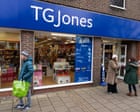
If you still think the high street is a safe place to do business, look at what is happening to the people who supply it. The former WH Smith high street business, recently bought by private equity firm Modella Capital and rebranded as TG Jones, is teetering on the edge of administration. To save itself, it is pushing through an aggressive financial restructuring plan that dumps the heaviest burden onto the smallest players.
Votes taking place this week will determine if the plan passes. If creditors and landlords vote yes, the business avoids total collapse. But for dozens of small suppliers, toy makers, and greeting card companies, a "yes" vote means watching at least half of the money they are owed vanish into thin air.
The Brutal Reality of the Exit Contract
Private equity turnarounds are rarely polite, but the strategy Modella Capital is deploying through consultants at Teneo cuts deep. Under the proposal, suppliers are divided into tiers based on how useful they are to the future of TG Jones.
If you are deemed a non-core or "exit contract" supplier—meaning the retailer does not want to work with you moving forward—your outstanding invoices are essentially wiped out. You get zero upfront. Instead, these business owners are being offered a highly speculative gamble: a right to a share of profits over a certain level, but only after three years. Given that the chain is currently heavily loss-making, that promise feels empty to a small business trying to pay its electricity bills next month.
Other small suppliers kept on as non-core partners face a slightly different flavor of pain. They are being asked to take an immediate hit of more than 50% on their debts, with the remaining balance frozen and paid out slowly over the next three-and-a-half years.
For a massive corporation, a delayed or halved invoice is a rounding error. For an independent card maker or local artisan, it breaks the business. Some of these creators provided stock on a sale-or-return basis, meaning their physical items are still sitting on the shelves of shops that are now slated for closure, and they won't get paid for them.
Even the Big Brands Are Getting Squeezed
Do not think the pain stops with independent creators. Modella Capital is also leaning heavily on household names to prop up the balance sheet. Major core suppliers like Ferrero, Condé Nast, and Lonely Planet are being forced to accept an aggressive repayment freeze.
These massive brands will not see a single penny of their outstanding debts for six months. After that half-year freeze ends, TG Jones plans to pay them back in equal monthly installments over the course of a full year.
Squeezing giant suppliers like this is a massive gamble. In the retail world, if you stop paying your biggest suppliers, they stop sending you stock. Or they strip away your credit lines and demand cash upfront before the delivery truck even leaves the warehouse. City sources are already warning that this aggressive stance could backfire spectacularly, leaving the remaining TG Jones stores with half-empty shelves, broken fridges, and a total lack of the premium products that actually drive foot traffic.
Landlords, Loans, and Private Equity Priority
The current mess didn't happen overnight. Modella Capital bought the high street estate for around £76 million, but sales slumped by 12% between September and March. The firm blamed weak consumer spending and the loss of the trusted WH Smith brand name on the storefronts.
To keep the lights on, the financial engineering behind the scenes has grown increasingly complex.
- Aurelius, the investment firm known for its previous involvement with The Body Shop, provided a rescue loan that is being bumped up to £40 million under this restructure.
- Modella itself injected a £10 million loan charged at a steep 12% interest rate.
Here is the kicker that explains exactly how the corporate hierarchy works: if the business completely fails and goes into formal insolvency, Aurelius and Modella sit right near the top of the pile to get paid back, immediately behind HM Revenue & Customs and employee wages. The small suppliers and landlords are tucked way down at the bottom as unsecured creditors. They get the crumbs.
Landlords are fighting back because Modella’s plan demands that up to 150 stores close, while more than 120 other locations pay zero rent for three full years. Rents on hundreds of other shops would be slashed by anywhere from 15% to 75%. Modella recently had to sweeten the deal for property owners, offering them a 50% share of future profit "upside" if annual turnover hits £40 million, trying to prevent a total landlord revolt before the High Court judge reviews the deal on June 29.
How to Protect Your Small Business from Retail Collapses
The TG Jones saga is a warning shot for any small business owner or independent supplier. Relying on a single massive retail account is a fast track to financial ruin when the high street hits a rocky patch. You cannot control what a private equity owner does, but you can protect your own cash flow.
First, aggressively diversify your client base. If one retailer makes up more than 20% of your total revenue, you are exposed to massive risk. Use online marketplaces, direct-to-consumer websites, and smaller independent boutiques to spread your income stream so that a sudden corporate restructure doesn't wipe you out.
Second, audit your credit terms immediately. Do not grant long payment windows to struggling retailers. If a major client starts delaying payments or asking to extend terms from 30 days to 60 or 90 days, treat it as a flashing red light. Tighten your grip on credit control, enforce late payment fees, and be prepared to pause shipments before the debt mounts into the thousands.
Finally, read the fine print on sale-or-return contracts. Ensure you have clear clauses regarding the retention of title, meaning the stock belongs to you until it is sold to a customer, and you have the immediate right to retrieve your physical inventory if the business faces restructuring or administration.