Surviving a terror attack changes your relationship with the world instantly. One minute you're having a coffee or watching a concert, and the next, your entire reality shatters. But what happens after the sirens fade, the news cameras pack up, and the rest of society moves on?
The truth is stark. The real battle often begins months or years later in quiet rooms where survivors gather to look each other in the eye and simply say, I am alive.
Mainstream media loves the immediate drama of a tragedy. They cover the memorials and the court trials. Yet they completely miss the raw, ongoing human reality of the terror attack survivors community. These aren't just support groups. They are lifeline networks where people don't have to explain their triggers, their flashbacks, or their survivor's guilt. They just get it.
Understanding this unique bond matters because our current mental health infrastructure frequently fails people who have lived through collective trauma.
The Shared Language of Trauma Survivors
When you walk into a room filled with people who survived the same attack, the air changes. You can drop the mask. For many survivors, everyday conversations with friends and family become exhausting. Well-meaning loved ones ask how you're doing with a look of pity that makes you want to scream. Or they expect you to be over it because a year has passed.
In specialized survivor meetups, nobody asks stupid questions.
The bond forms instantly because everyone shares a baseline of horror. You don't have to apologize for jumping at a loud noise. You don't have to explain why crowded subway cars make you sweat. This collective understanding creates an environment where healing actually becomes possible.
Psychologists call this peer-led validation. It works because it bypasses the clinical distance of traditional therapy. A therapist can analyze your post-traumatic stress, but another survivor knows exactly how the smell of smoke or a specific ringtone makes your heart race. That difference is everything.
Why Traditional Mental Health Systems Fall Short
We treat trauma like an individual illness. If you survive a mass casualty event, the standard playbook says you should get cognitive behavioral therapy, maybe take some medication, and work through your personal anxiety.
That approach is fundamentally flawed.
Collective trauma requires collective healing. Terror attacks are targeted assaults on communities, on shared spaces, and on the very idea of public safety. When an attack happens, it breaks the unwritten social contract that keeps us feeling secure when we leave our homes. You can't fix a broken social contract solely through individual therapy sessions.
- Clinical settings feel sterile. Sitting on a couch explaining your worst nightmare to a doctor who hasn't lived it can feel isolating.
- The timeline is wrong. Public funding for psychological support usually dries up after a few years, but trauma doesn't follow a bureaucratic calendar.
- Isolation kills progress. Without a community, survivors often retreat inward, convinced that their lingering fear makes them broken or weak.
Peer groups fill these massive institutional gaps. They don't replace doctors, but they do the heavy lifting of daily emotional maintenance. They provide a space where being traumatized is normalized, which is the first step toward managing it.
The Power of Saying I Am Alive
There is a profound defiance in gathering with other survivors. The goal of terrorism is to spread fear, polarize societies, and make people retreat from public life. By showing up to a meeting, laughing, crying, and sharing a meal, survivors actively defeat that goal.
It is a quiet form of resistance.
During these gatherings, the conversation rarely stays stuck on the day of the attack. People talk about their jobs, their kids, their struggles with sleep, and their hopes for the future. The phrase "I am alive" isn't just a statement of physical survival. It's a commitment to actually living, rather than just existing in the shadow of a past horror.
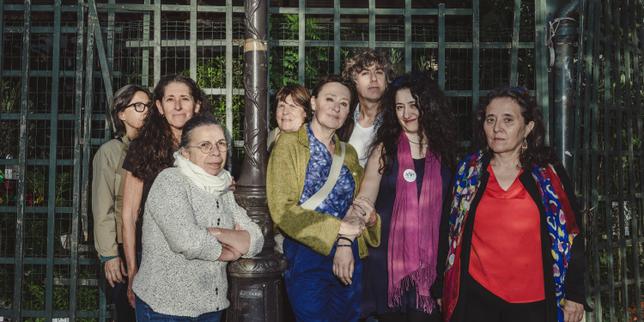
We see this clearly in organizations formed after major events worldwide, from the Bataclan attacks in Paris to the 9/11 attacks in New York. The long-term survivors don't just gather to mourn. They gather to build something new out of the wreckage. They create art, advocate for better victim rights, and mentor newer survivors who are still stuck in the initial fog of shock.
Rebuilding the Social Fabric from the Ground Up
If we want to support survivors effectively, we need to change how we fund and organize post-tragedy care. We must invest heavily in long-term community spaces, not just short-term crisis hotlines.
Start by recognizing peer support as an essential component of healthcare. Governments need to provide permanent funding for survivor-led associations without burying them in red tape. These groups need physical spaces to meet, drink coffee, and exist together safely.
If you know someone who has survived a traumatic event, stop waiting for them to act normal again. Normal is gone. Instead, support their efforts to find their peers. Encourage them to connect with those who share their history, even if it feels uncomfortable to talk about. The path forward isn't about forgetting what happened. It's about finding a community strong enough to help you carry the weight.