Rain hits corrugated tin roofs at four in the morning in eastern Democratic Republic of the Congo, a steady, percussive drum that sounds almost peaceful until you listen for the coughs behind it.
Ten thousand.
Say the number out loud and it turns into a headline. A ticker symbol. A row on a spreadsheet sitting in a glass-walled office ten thousand miles away. Ten thousand cases of Ebola in the Democratic Republic of the Congo, with deaths climbing every week, reads on a screen like a distant storm.
It isn't.
When a count crosses ten thousand in a region already stretched thin by displacement, conflict, and fragile clinics, the math stops being a summary and starts becoming a roll call of empty chairs around evening cooking fires. Every digit is a person who walked into a health post thinking they had malaria or typhoid, a mother holding a burning child while rain soaked the red dirt road, a nurse tightening rubber straps over sweat-slicked wrists because the air conditioning died weeks ago.
To make sense of what happens inside an outbreak of this scale—and why the invisible stakes matter far beyond Congo's borders—I want to step closer to the ground. A quick note before we go further: the specific clinic scenes and characters that follow are hypothetical scenarios constructed to illustrate real-world medical, logistical, and human patterns documented across Ebola responses in the Democratic Republic of the Congo. They are grounded in epidemiology and field realities, not invented statistics.
When a Fever Looks Like Everything Else
Start with the hardest truth about Ebola: at the beginning, it doesn't announce itself with drama.
No siren goes off inside the body on day one. There is no bright warning label on a sudden headache, a bone-deep ache behind the eyes, or a fever that climbs after dusk. In eastern Congo, where malaria is a constant shadow and seasonal illnesses cycle through every village, a person waking up drenched in sweat with a throbbing temple faces an agonizing choice. Stay home and wait it out. Or walk six kilometers along a rutted trail to a clinic that might not even have clean water running through the taps.
Consider a hypothetical scenario involving Beatrice, a thirty-four-year-old market trader near Beni who sells cassava leaves and smoked fish. One Tuesday morning, her joints feel filled with wet sand. By Thursday, she is vomiting and too weak to carry her woven basket. Her brother brings her on the back of a motorcycle to a small rural health center.
The nurse on duty, let's call him Pascal, checks Beatrice's temperature and looks at her pale gums. His training tells him to think carefully, yet his shelves hold limited test kits and his radio crackles with static. If he sends everyone with a fever straight to a specialized treatment unit, fear spreads through the neighborhood like dry grass catching a spark. If he treats her in a general ward and she turns out to be positive, the ward itself becomes a crucible of exposure.
That is the quiet trap of early detection. Symptoms overlap. Fear hides people. By the time unmistakable warning signs appear—severe gastrointestinal distress, profound exhaustion, bleeding in the worst cases—the virus has already had days to move through household care, shared bowls, and crowded rides.
How does Ebola spread so relentlessly in moments like this? Directly, through contact with the blood or body fluids of someone who is sick or has died from the virus, or through surfaces and bedding soiled with those fluids. It does not hang in the air waiting to leap across a room like a cold virus. That distinction matters—and it is also why caring for someone you love is so devastatingly risky. When your child is crying for water, you wipe their brow. When your father cannot stand, you lift him. Love and transmission walk the exact same hallway.
The Weight Beneath the Number
Crossing ten thousand cases does not happen overnight, nor does it happen in a vacuum.
Over decades, public health teams in the Democratic Republic of the Congo have built extraordinary institutional memory. Doctors, contact tracers, burial teams, and community health workers there know this pathogen better than almost anyone on earth. They have stared down flare-ups in dense rainforests, river towns, and volatile borderlands.
Still. Even the strongest muscle tears under enough weight.
When cases climb past ten thousand and deaths continue to mount, several pressures braid together at once:
- Overwhelmed treatment beds: Every newly sick patient requires isolation, constant fluid replacement, electrolyte monitoring, and strict waste management. When admissions spike, space and staff stretch past safe margins.
- Exhausted contact tracers: Finding every person who touched a patient—or touched a utensil the patient used—requires patient, respectful detective work. When hundreds of new cases appear, tracing slows down, and unseen chains of spread slip into neighboring districts.
- Disruption from conflict and movement: In eastern Congo, families move to escape armed groups, find work, or reach markets. A virus hitchhikes on human movement faster than road repairs can keep pace.
- Distrust born of trauma: Communities that have lived through years of instability, broken promises, or outsiders arriving in heavy protective gear with sirens and strangers' rules naturally question what is happening behind closed tent flaps.
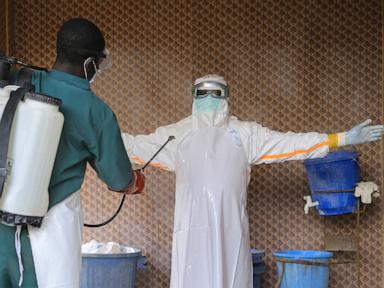
I have stood in humid clinics where the sheer heat inside full personal protective equipment feels like wearing a plastic bag over a sauna. Within twenty minutes, sweat pools at the bridge of your nose and fogs your goggles. You move slowly so you don't tear a glove. Every gesture takes double the concentration. Now imagine doing that shift after shift while hearing that a colleague fell ill, or while wondering if your own family at home has enough to eat.
Exhaustion.
It is the hidden variable in almost every outbreak report. Not a biological mutation, not a single supply shortage, though both can hurt—just human beings running on fumes.
Why Safety Burials Are Never Just Procedure
Ask any epidemiologist what turns the tide during a severe outbreak, and you will hear two things right away: rapid isolation with supportive care, and safe, dignified burials.
On paper, that sounds clinical. Neat. Procedural.
In real life, a funeral is where grief meets ancient custom.
Imagine—again in a hypothetical scenario—a family in North Kivu losing an elder who held the household together through lean years. In local tradition, washing the body, dressing it, and gathering close kin to say goodbye are acts of honor and closure. Skipping them feels like abandoning the dead—and risking anger from ancestors or neighbors.
Yet the body of someone who died from Ebola carries a high concentration of virus. Without trained teams using strict infection control, mourners touching the body or sharing a meal afterward can spark an entirely new cluster of infections weeks later.
Think of this as a metaphor: trying to halt a brushfire while leaving dry timber stacked right up against the flames. You can throw water on the front edge all day, but if unburned fuel sits beside it, the fire simply bends around your hose. Safe burials clear the fuel—provided they are done with compassion rather than force.
When responders listen first, involve local leaders, allow families to witness from a safe distance, and honor cultural dignity wherever medically possible, resistance softens. When outsiders bark orders and treat grieving relatives like suspects, people hide illnesses and bury loved ones in secret.
Trust isn't a bonus feature in outbreak control. It is the foundation.
What Confusion Does in the Dark
Whenever a major health crisis makes headlines, confusion follows right behind. Let's clear up a few questions that almost always surface when numbers climb this high, without pretending there are easy shortcuts.
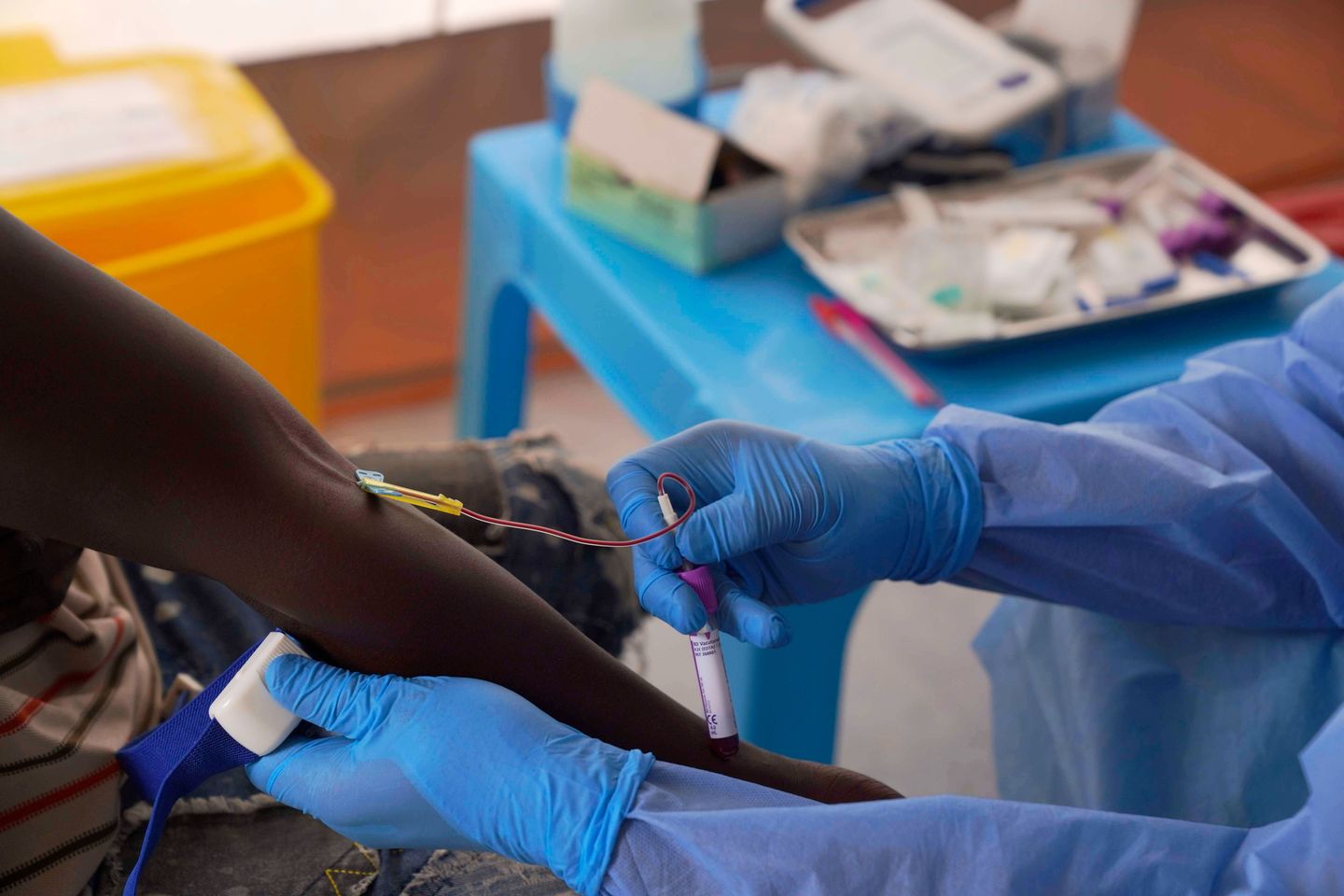
Does Ebola mean certain death? No. Survival depends heavily on how quickly someone reaches supportive medical care—intravenous or oral fluids, correcting electrolyte imbalances, treating secondary infections, and using targeted therapeutics when available for the specific virus strain involved. Early care dramatically improves odds compared to arriving late and dehydrated.
Can a casual glance or a wave across the street infect you? No. Transmission requires direct contact with infectious body fluids (such as blood, vomit, diarrhea, sweat, saliva, or semen) from someone who is symptomatic or deceased, or contact with contaminated objects. Once a patient recovers and tests negative, they are no longer contagious through routine daily contact, though survivors can still face lingering physical symptoms, stigma, and long-term health challenges that deserve real care.
Why does a crisis in Congo matter if I live thousands of miles away? Because infectious diseases do not respect borders, and global health is an interconnected web. When an outbreak grows large and prolonged, two risks rise: cross-border spread into neighboring countries with fragile systems, and the chance of the virus circulating longer among more hosts. Beyond self-interest, there is something simpler and sharper: a world that shrugs at ten thousand deaths in one region is training itself to look away when the next crisis arrives closer to home.
I will be honest with you: reading rising death tolls can make a person feel helpless, or oddly numb, or skeptical about whether anything actually changes. That numbness is a defense mechanism. It's heavy to carry. You don't have to fix global supply chains over breakfast to refuse to turn the page without seeing the humans inside the statistic.
The Quiet Work That Actually Holds
When progress happens in an outbreak, it rarely looks like a movie montage.
It looks like a supply truck making it through mud before nightfall. It looks like a nurse coaxing a frightened child to sip oral rehydration solution spoon by spoon. It looks like a community leader standing in a village square explaining in clear, calm language why reporting a fever early protects everyone's children.
Consider a hypothetical scenario back at that clinic near Beni two weeks later. Beatrice is still weak, her voice thin, her eyes hollow from days of illness—yet she is sitting up, taking broth, and speaking with a counselor who checks on her family every morning. Outside, two neighbors who had avoided the clinic after hearing rumors now walk up to the intake desk on their own.
Small shifts. Fragile ones. Easily undone if funding dries up, if roads wash out, or if attention drifts the moment another headline grabs the world's eye.
Numbers measure scale, not soul. Ten thousand cases in the Democratic Republic of the Congo is a measure of how wide the breach has grown—and how fiercely ordinary people are fighting to close it.
Rain still falls on tin roofs across eastern Congo at four in the morning, and somewhere in the dark, a lamp flickers on beside a feverish child while a hand reaches out to steady them.