The air inside the cargo terminal at Mumbai’s Chhatrapati Shivaji Maharaj International Airport smells of hot asphalt, jet fuel, and cardamom. It is three in the morning. To the casual observer, the place is a chaotic labyrinth of concrete and flashing amber lights. Forklifts roar through the gloom. Steel containers clank against one another like giant’s teeth. But if you stand still long enough by bay forty-two, you begin to see the invisible architecture holding this massive operation together.
Inside a climate-controlled crate sits a row of heavy industrial gear destined for a factory in Silesia. Thousands of miles away, in a sleek logistics park outside Warsaw, a customs officer is already sipping his morning coffee, clearing the digital manifest for its arrival.
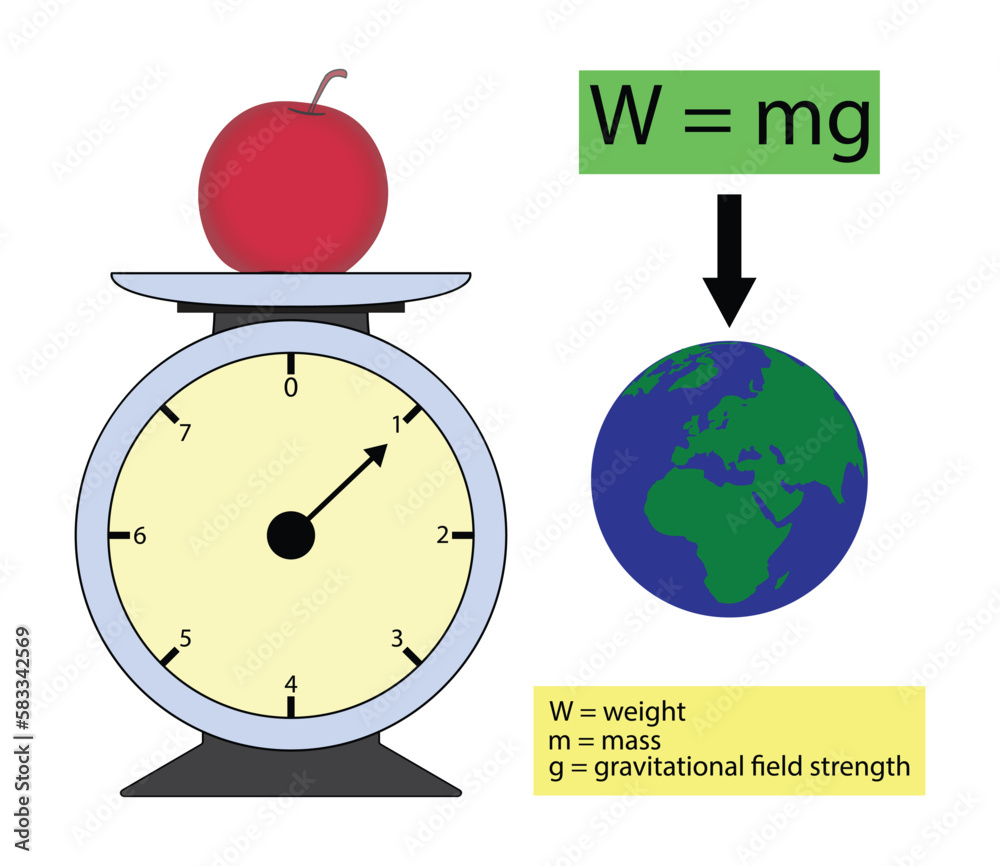
This is not just commerce. This is gravity.
For decades, the economic relationship between India and Poland has been polite, distant, and largely unheralded. Ships passed in the night. Diplomats exchanged polite handshakes under heavy chandeliers in grand halls. Trade numbers ticked upward by fractional percentages, recorded in dry ledger books that few outside government ministries ever bothered to read. But numbers, no matter how large, can feel cold. They fail to capture the sweat of the machinist in Łódź or the ambition of the software architect in Bengaluru.
Now, something has shifted. The ambition is no longer whispered in diplomatic backchannels. It is loud. It has a specific, stubborn target attached to it: ten billion dollars in bilateral trade.
To understand what that figure actually means, you have to look past the macroeconomics and into the human engine room. When the Polish Minister of Foreign Affairs stepped onto the tarmac in New Delhi recently, declaring an absolute, unwavering confidence in hitting that milestone, he wasn't just tossing around bureaucratic optimism. He was betting on a fundamental restructuring of how two very different nations build things, sell things, and trust each other.
Consider what happens when a medium-sized manufacturing firm in central Poland decides to expand its footprint into South Asia. The executive board room smells of expensive parchment and cold espresso. The spreadsheets are terrifying. Currency fluctuations, shifting regulatory frameworks, cultural divides wide enough to swallow an entire quarterly budget. The safe choice is to stay home. The safe choice is to trade only with neighbors who speak the same commercial language.
Yet, they make the jump anyway. Why? Because the arithmetic of modern survival demands it.
India is no longer just a distant market of a billion-plus consumers. It is an innovation powerhouse hungry for European precision engineering, green technology, and specialized manufacturing components. Conversely, Poland has evolved into the logistics and manufacturing beating heart of Central Europe, a place where high-tech assembly lines hum around the clock, waiting for raw materials, rare earths, and advanced IT services that Indian firms provide with world-class velocity.
When these two currents meet, the friction creates sparks.
Walk through an industrial park in Wrocław. You will find young Polish engineers collaborating in real-time with software development teams in Hyderabad, debugging complex automation software for automotive plants. They have never met in person. They might never share a pint of beer or a cup of chai. Yet, their daily bread depends on the exact same line of code executing flawlessly at midnight.
That is the hidden anatomy of the ten-billion-dollar goal. It is built out of millions of micro-transactions, small acts of professional faith, and stubborn logistical problem-solving.
Skeptics love to point out the hurdles. Logistics costs fluctuate wildly with every geopolitical tremor in the Middle East or Eastern Europe. Bureaucracy can drag a simple customs clearance into a bureaucratic marathon. Cultural misunderstandings can derail a joint venture before the ink on the memorandum of understanding has even dried. I have sat across the table from weary trade attachés who have spent twenty years trying to harmonize tax codes, watching their shoulders slump under the sheer weight of institutional inertia.
Change is slow. Until it is fast.
The breakthrough happens when a small business owner in Kraków realizes that an Indian supplier can deliver specialized steel components three weeks faster and twenty percent cheaper than their traditional Western European vendor, without sacrificing a single micron of quality. The breakthrough happens when an Indian pharmaceutical company decides to build its European distribution hub in Warsaw, hiring hundreds of local professionals and anchoring a permanent stake in the region.
Trust is earned in inches and lost in miles. Both nations know this. That is why the diplomatic posturing about reaching ten billion dollars is backed up by quiet, unglamorous work on the ground. Chambers of commerce are holding grueling virtual roundtables. Trade delegations are visiting remote manufacturing clusters instead of just capital city boardrooms. Universities are setting up direct exchange programs for engineering students, planting the seeds for a future workforce that will not need translators to do business across continents.
Look at the map between Warsaw and New Delhi. It stretches across vast steppes, ancient mountain ranges, and geopolitical fault lines. For centuries, empires marched across these lands, conquering and dividing. Today, the armies moving back and forth are filled with cargo jets, fiber-optic cables, shipping containers, and cargo manifests.
The ten billion dollar target is not a ceiling. It is a milestone marker on a long, winding highway.
When the sun comes up over the Mumbai cargo terminal, the forklift drivers shift their weight, the next container is hoisted into the air, and another link in the chain snaps into place. Far away in the crisp Polish morning, the customs officer hits enter on a glowing screen, and the machinery of two worlds grinds forward, unstoppable and quiet.