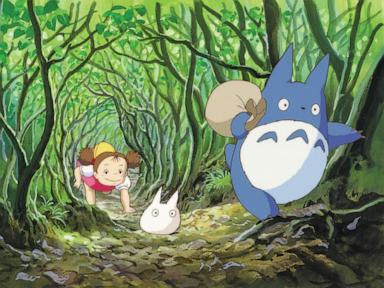
Ten years ago, theatrical re-releases were considered a desperate maneuver by dying distribution houses. Today, Studio Ghibli Fest stands as an anomalous titan in modern exhibition, drawing hundreds of thousands of multi-generational moviegoers annually to watch decades-old hand-drawn anime on the big screen. The initiative, orchestrated by North American distributor Fathom Events and GKIDS, hasn't just survived a decade of shifting consumer habits—it has quietly built a predictable, highly lucrative theatrical franchise out of legacy animation. In an era where legacy studios struggle to pull audiences for original blockbuster intellectual property, a forty-year-old flying bus and a bathhouse for spirits are consistently outperforming mid-tier first-run releases.
To understand why this strategy works, you have to look past simple nostalgia. The theatrical distribution model built around Hayao Miyazaki and Isao Takahata’s catalog operates on a fundamentally different financial engine than standard Hollywood releases.
The Economics of Event Cinema
Standard theatrical runs rely on massive up-front marketing campaigns designed to create urgency. Studios spend tens of millions of dollars on television spots, social media Blitzes, and press junkets to secure a strong opening weekend. If the film fails to capture public attention in those first seventy-two hours, the exhibitor cuts screens, and the distributor takes a bath.
Studio Ghibli Fest flipped that risk structure entirely.
By utilizing Fathom Events’ event-cinema distribution framework, GKIDS turned static catalog titles into limited-window destinations. Instead of booking a film in three thousand theaters for a continuous four-week run, they book specific titles for three-to-five-day event windows scattered across several months.
This creates artificial scarcity. If a family wants to see My Neighbor Totoro or Ponyo on a twenty-foot screen, they cannot wait until next weekend. They buy tickets weeks in advance.
The financial upside for exhibitors is staggering. Because these screenings occur on traditionally low-volume days—typically Sundays, Mondays, and Wednesdays—theaters are monetizing dead air time. The overhead is negligible. The digital cinema packages (DCPs) are already ingested into projection servers. Marketing expenditures are heavily targeted toward existing anime fanbases and email databases rather than broad, expensive consumer channels.
The result is a low-risk, high-margin revenue loop. GKIDS and Fathom aren't chasing a hundred-million-dollar opening weekend; they are systematically milking high-yield margin off assets that were fully amortized decades ago.
The Generation Pipeline
Nostalgia gets people through the door once. It does not sustain an annual theatrical event for ten consecutive years.
The real driver behind Ghibli Fest’s sustained growth is a carefully managed intergenerational handoff. The primary demographic attending these screenings isn't just thirty-something millennials clinging to their childhood memories of VHS tapes. It is those same millennials bringing their young children, paired alongside Gen Z teenagers discovering films like Princess Mononoke and Spirited Away via social media clips and streaming platforms.
Animation styles in mainstream American cinema have consolidated into a hyper-polished, computer-generated visual baseline. Pixar, DreamWorks, and Illumination produce technically stunning work, but their visual language shares a distinct corporate lineage.
Ghibli's hand-drawn, frame-by-frame aesthetic feels radically deliberate to younger viewers. The deliberate pacing, long quiet stretches known in Japanese aesthetics as ma (negative space), and painted background art offer an intentional counter-programming to the frenetic, quip-heavy pace of modern Western animation.
Consider the narrative structure of Kiki’s Delivery Service. The central conflict isn't an evil villain threatening to destroy the world with a sky beam. It is a thirteen-year-old struggling with creative burnout and independence. For an audience overstimulated by high-stakes cinematic universes, that restraint is intoxicating.
The Flaws in the Streaming Illusion
When HBO Max (now Max) secured exclusive domestic streaming rights to the Studio Ghibli library in 2019, industry observers predicted the death of Ghibli Fest. Why would a family spend fifty dollars on theater tickets and concessions when the entire catalog sat inside a streaming app they were already paying fifteen dollars a month to access?
The market proved those predictions completely wrong. Streaming didn't cannibalize the theatrical events; it acted as a permanent promotional trailer for them.
Streaming platforms excel at passive consumption, but they fail at event creation. Watching Howl’s Moving Castle on an iPad while scrolling through your phone is a utility transaction. Experiencing that same film inside a dark auditorium packed with three hundred people reacting to every beat of Joe Hisaishi’s orchestral score is a cultural ritual.
GKIDS understood something traditional Hollywood studios forgot: fans don't just want access to content; they want community verification. They want to be in a room with people who care about the same things they care about. The event-style release window validates their taste in a way a stream never can.
Furthermore, the physical theatrical presentation acts as a quality benchmark. The crispness of remastered 4K transfers, combined with properly calibrated theater sound systems, highlights artistic nuances that home audio setups and compressed streaming bitrates completely erase.
Why Competitors Keep Failing to Replicate the Playbook
Naturally, rival distributors tried to clone the model. Over the last decade, we have seen limited theatrical re-releases for legacy anime franchises, classic 80s sci-fi hits, and beloved nineties sitcom anniversaries. Most of them fizzled out after a season or two.
They failed because they misunderstood the nature of the content they were pushing. You cannot run an annual festival on intellectual property that relies entirely on shock value, cheap nostalgia, or unresolved cliffhangers.
The Ghibli catalog possesses three rare characteristics that make this business model sustainable:
- Evergreen Universality: The themes—environmental stewardship, the cost of violence, grief, and personal growth—do not age. A kid watching Ponyo today gets the exact same emotional resonance a child got in 2008.
- Curated Artistic Integrity: Unlike franchises that dilute their brand with cheap direct-to-video sequels and cash-grab spin-offs, Studio Ghibli kept its core output lean and artistically uncompromised. There is no bad low-budget cash-in diluting the prestige of the core films.
- Broad Demographic Reach: Most anime properties skew heavily toward specific age or gender cohorts. Ghibli films cross age, gender, and socio-economic lines effortlessly.
When you attempt to build an event cinema ecosystem around a property that lacks those three pillars, you run out of passionate consumers quickly. You exhaust the nostalgia market on year two, and with no new generation filling the pipeline behind them, the box office crashes.
The Scaling Reality
This model isn't without its operational strain points.
As Ghibli Fest expands its annual footprint—adding more screens, expanding international distribution, and extending screening runs—it faces the dangerous temptation of over-saturation. The moment you make a limited-time event widely available every week of the year, it ceases to feel like an event.
There is also the question of future catalog exhaustion. While Hayao Miyazaki’s latest feature The Boy and the Heron proved that the studio can still capture critical acclaim and massive global box office returns, the core library remains finite. You can only rotate Spirited Away and Totoro back into theaters so many times before ticket sales hit a natural ceiling.
To survive the next decade, GKIDS will have to carefully balance the heavy-hitters with deep-cut catalog titles like Only Yesterday or The Tale of the Princess Kaguya—films that command critical reverence but lack the mass commercial appeal of the studio's fantasy epics.
Hollywood executives spend billions attempting to build artificial, highly predictable cinematic universes out of comic books and action figures. Meanwhile, a small distribution joint venture quietly built one of the most reliable exhibition strategies in North America out of hand-drawn films, quiet moments, and a commitment to showing up in theaters a few nights a year.
The lesson is simple. Audiences aren't tired of going to the movies. They are tired of paying premium prices for generic experiences. Give them art that treats their intellect with respect, wrap it in an exclusive theatrical window, and they will show up, ticket in hand, year after year.