Contemporary multilateral diplomacy operates under a severe structural deficit, characterized by declining institutional efficacy, transactional bilateralism operating within multilateral wrappers, and the displacement of legacy agenda items by disruptive technologies. The recent high-level convening at the United Nations exposed the friction points between an aging institutional framework and fragmented geopolitical realities. Deconstructing the mechanics of this diplomatic cycle reveals three core systemic shifts: the transactionalization of security talks, the displacement of environmental mandates by technological safety concerns, and the institutional vulnerability of succession leadership.
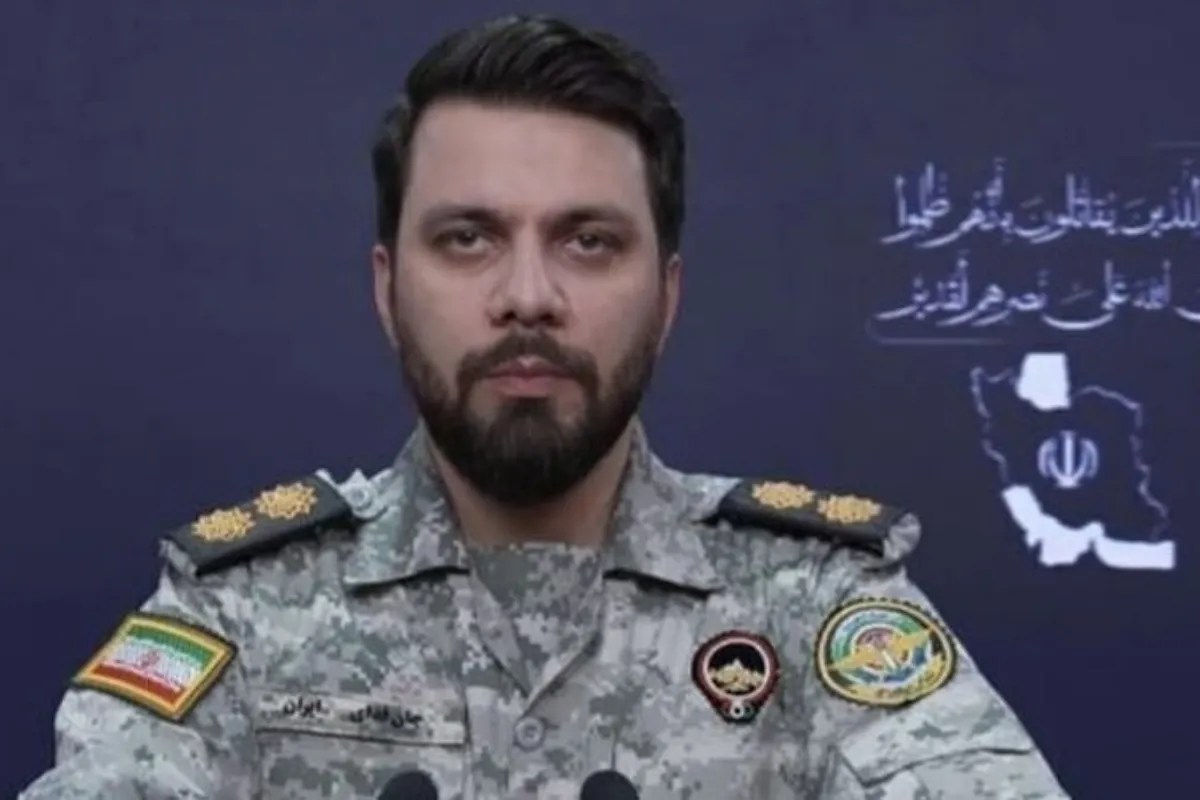
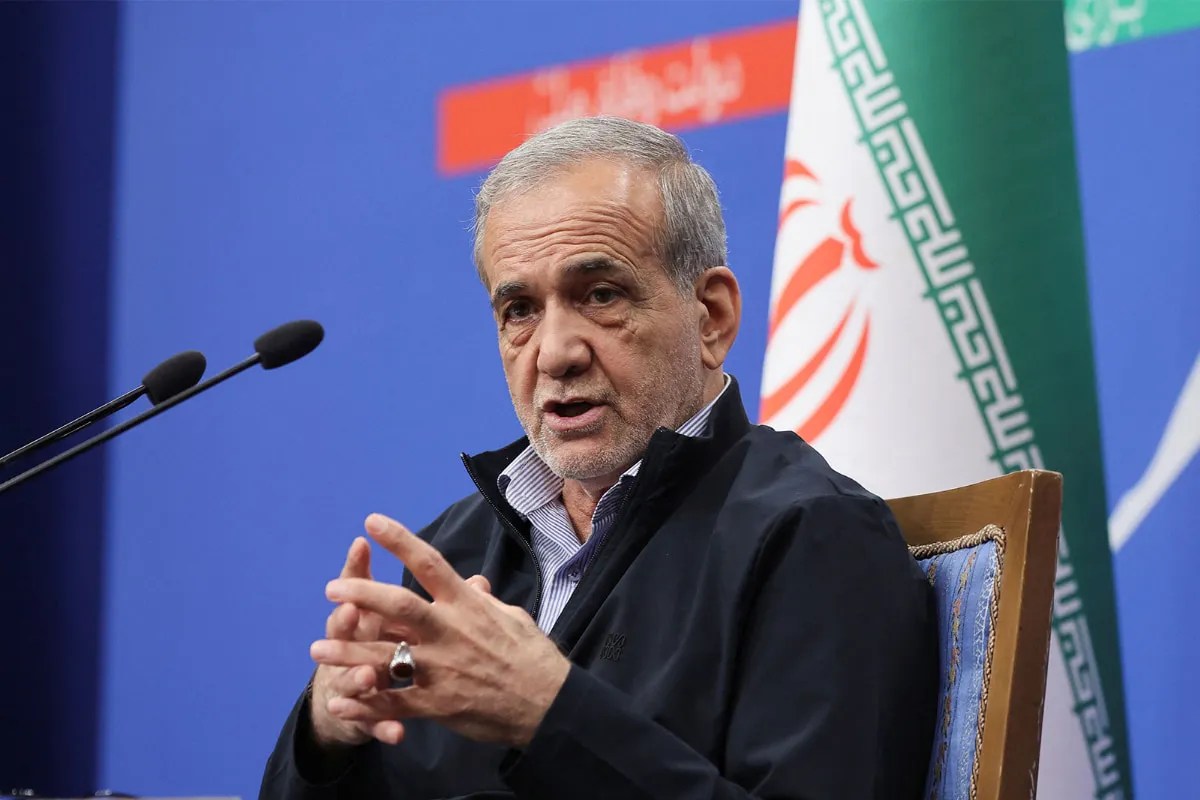
The diplomatic engagement surrounding Iran illustrates the transactional pivot of modern mediation. Rather than utilizing formal multilateral forums for comprehensive treaty negotiations, state actors reverted to indirect shuttle diplomacy conducted through intermediaries. The operational bottleneck in these exchanges centers on asymmetrical demands—specifically, the friction between Washington's deterrence posture and Tehran's structural prerequisites regarding naval access and trade corridors. When institutional architecture lacks enforcement mechanisms, formal assembly halls devolve into platforms for rhetoric while substantive negotiations retreat to opaque, bilateral channels managed by specialized envoys. This separation of rhetoric from operational bargaining reduces the General Assembly's utility from a resolution forum to a signaling environment. For a different look, consider: this related article.
Concurrently, negotiations regarding the conflict in Ukraine highlight the mechanics of compartmentalized de-escalation. Parties facing resource exhaustion or seasonal vulnerabilities pursue narrow, functional carve-outs rather than comprehensive political settlements. The strategic focus on limited agreements concerning energy infrastructure and shipping lanes represents a rational calculation: actors seek to minimize systemic economic shock without conceding core strategic territory. However, the efficacy of these functional agreements remains constrained by zero-sum calculations on the battlefield, where opposing capitals view temporary ceasefires primarily as replenishment windows rather than pathways to durable peace.
The most profound shift during the diplomatic cycle was the displacement of climate governance by artificial intelligence governance. For years, environmental policy served as the primary consensus-building mechanism for multilateral bodies. The rapid commercialization and security implications of frontier models transformed the agenda. The institutional response to artificial intelligence is currently defined by regulatory competition rather than cooperative harmonization. Corporate leadership appeals for global coordination collided directly with state-level security imperatives and infrastructure vulnerabilities, such as unauthorized system penetrations of government networks. This dynamic creates a regulatory vacuum where technological velocity outpaces the multilateral capacity to establish binding normative frameworks. Similar insight regarding this has been shared by TIME.
Economic opportunism similarly restructured regional diplomacy, as demonstrated by shifts in Latin American state interactions. Debt restructuring mandates and resource extraction agreements increasingly bypass traditional multilateral development banks in favor of direct bilateral concessions. When state sovereignty is subordinated to immediate fiscal distress, the traditional norms of international financial institutions are marginalized. The structural reality of these arrangements follows a strict utility curve: resource-rich states under pressure trade long-term sovereignty for short-term liquidity, transforming diplomatic summits into marketplaces for asset negotiation.
At the institutional core, the administrative machinery of the international body faces compound vulnerabilities. Shrinking budgetary allocations, driven by major power withdrawals and legislative defunding, restrict operational capacity. Concurrently, the succession process for the Secretariat operates through an insular mechanism of straw polls and backroom consolidation, yielding no clear mandate to reverse the institution's declining political relevancy.
To reverse this trajectory, multilateral frameworks must decouple normative declarations from operational security enforcement. State actors should institutionalize functional working groups dedicated strictly to localized technical containment—such as cyber-security protocols and maritime transit corridors—while abandoning pretensions of comprehensive global consensus on polarized geopolitical disputes.
This video provides additional context regarding recent diplomatic briefings on regional security and the ongoing challenges of maintaining international dialogue.