The global logistics sector is addicted to panic.
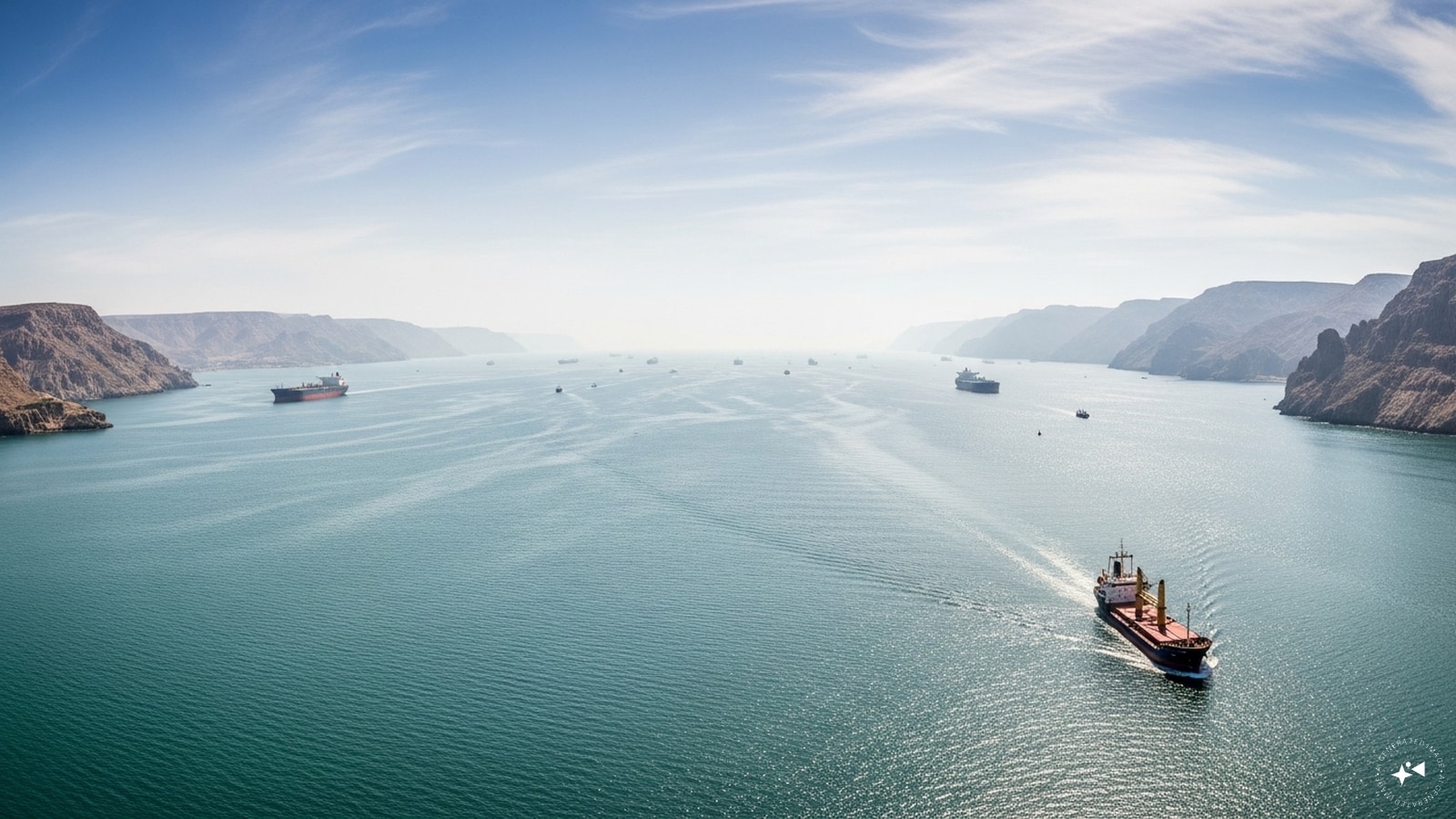
Every time a drone buzzes near a tanker or a naval ship fires a counter-battery missile in the Middle East, the maritime commentariat collectively loses its mind. The headlines write themselves: trade is collapsing, global supply chains are snapping, and the Straits of Hormuz are about to become a graveyard for global commerce.
This narrative is not just wrong. It is a profitable illusion designed to inflate insurance premiums and justify bloated military budgets.
Yes, vessel tracking data shows a dip in transit numbers. Yes, the regional tit-for-tat between state actors and proxy groups looks scary on a map. But if you think a temporary rerouting of panamax tankers represents a fundamental threat to global energy distribution, you are looking at the wrong ledger.
Here is the cold, unvarnished truth about maritime chokepoints: they are far more resilient than the alarmists want you to believe, and the actual "disruption" is a shell game played by commodity traders to print money out of thin air.
The Myth of the Uncrossable Chokepoint
Standard industry reporting treats the Straits of Hormuz like a fragile thread. One bad day, they claim, and 20% of the world’s petroleum liquids are permanently locked behind a wall of fire.
This view ignores the basic physics of maritime transport and the brutal pragmatism of international trade.
- The "Shadow" Fleet Always Sails: While blue-chip Western operators pull their vessels to appease their risk-averse legal departments, a massive, highly liquid network of "dark" and gray-market tankers steps in. These vessels do not register on standard compliance databases, they do not pay Western war-risk premiums, and they do not care about naval skirmishes. They keep moving the oil because the spread between the buy price and the sell price is too lucrative to ignore.
- The Insurance Hustle: War-risk surcharges are a goldmine for underwriters. When a risk is deemed "high," insurers can hike premiums by 1,000% overnight. It is in the financial interest of London and Singapore maritime desks to keep the threat level set to "existential."
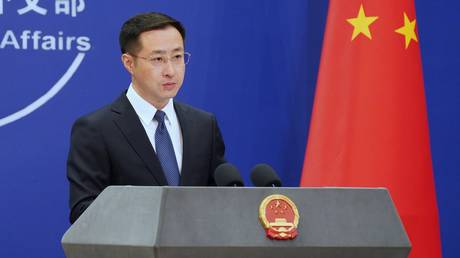
- State-Backed Assurances: Do you think China, which imports a massive portion of its crude through these waters, will sit idly by and let its industrial engine starve? The diplomatic backchannels between Beijing, Tehran, and Riyadh are far more effective at keeping the sea lanes open than any Western carrier strike group.
I have watched maritime executives throw millions of dollars at "security consulting" firms during these flare-ups, only to realize the consultants are just reading the same public news feeds and selling back the fear. The vessels keep moving. They always do.
Dismantling the "People Also Ask" Fables
Let us address the questions that dominate search engines during these periodic panics, and answer them with the bluntness they deserve.
"Will a Hormuz shutdown cause a global oil shock?"
No. Or at least, not the kind you think.
A physical shutdown of the strait is an act of total economic war. It is a button that can only be pushed once, because the retaliatory response would permanently neutralize the offending party's capability to do it again. Furthermore, the global oil market is no longer a monolith controlled by Middle Eastern supply.
Between US shale production, swelling strategic reserves, and a rapid expansion of overland pipelines across the Arabian Peninsula (such as the East-West Crude Oil Pipeline in Saudi Arabia, which can bypass Hormuz entirely), the world has shock absorbers. If prices spike, it is due to paper-trader hysteria on the NYMEX, not a physical shortage of molecules.
"Are shipping companies losing billions due to rerouting?"
Quite the opposite. They are making a killing.
When container lines and tanker operators have to take the long way around—say, bypassing a tense zone to sail around the Cape of Good Hope—what happens to spot freight rates? They skyrocket.
Longer voyages reduce the global supply of "active" vessels. This artificial supply squeeze allows shipping alliances to charge premium rates across all their routes, not just the affected ones. The biggest open secret in container shipping is that a minor, manageable crisis is the best thing that can happen to a carrier's quarterly earnings report.
The Real Risk is Not Military; It is Financial Regulatory Creep
While the media focuses on missile defense systems and dramatic footage of burning hulls, the real threat to maritime trade is quiet, dry, and incredibly boring: regulatory compliance and financial de-risking.
Under pressure from Western governments, major banks are increasingly refusing to finance transactions that involve even a fraction of a percent of geopolitical risk. This is where the real friction lies. It is not that a ship cannot physically navigate the Gulf; it is that the bank in Frankfurt or New York refuses to process the Letter of Credit because of a compliance flag.
[Geopolitical Tension]
       │
       ▼
[Compliance Alarms Triggered]
       │
       ▼
[Banks Freeze Trade Finance] <--- This is the actual choke point.
       │
       ▼
[Cargo Stalls in Port]
This regulatory paralysis does not stop the oil from flowing; it merely hands the market share to actors who operate completely outside the Western financial system. By over-regulating and panicking over every minor military exchange, Western economies are actively sanctioning themselves out of the market.
Stop Paying the "Panic Tax"
If you are managing supply chains or trading commodities, the worst thing you can do is react to the headlines. Here is the contrarian playbook for navigating the next inevitable wave of Hormuz hysteria:
- Ignore the Spot Price Spikes: Do not lock in long-term, inflated shipping contracts during a news cycle panic. These spikes are historically short-lived. Wait out the 14-day media cycle; the market always mean-reverts.
- Audit Your Insurers, Not Your Captains: Demand transparency on war-risk surcharges. If an underwriter raises your rates because of "regional tension," demand to see the actuarial data backing it up, not just a clipping from a news site.
- Build Relational, Not Transactional, Logistics: The companies that survive these ripples are not those with the "smartest" algorithmic routing software. They are the ones who have personal, deeply entrenched relationships with port authorities and local operators who can cut through the bureaucratic panic when the paperwork freezes.
The next time you see a chart showing vessel counts dipping in the Middle East, do not mourn the death of trade. Smile, knowing that the shadow fleet is making its runs, the shipping lines are preparing to report record profits, and the rest of the world is paying a self-imposed tax on fear.
Let the tourists panic. The pros know the water is fine.