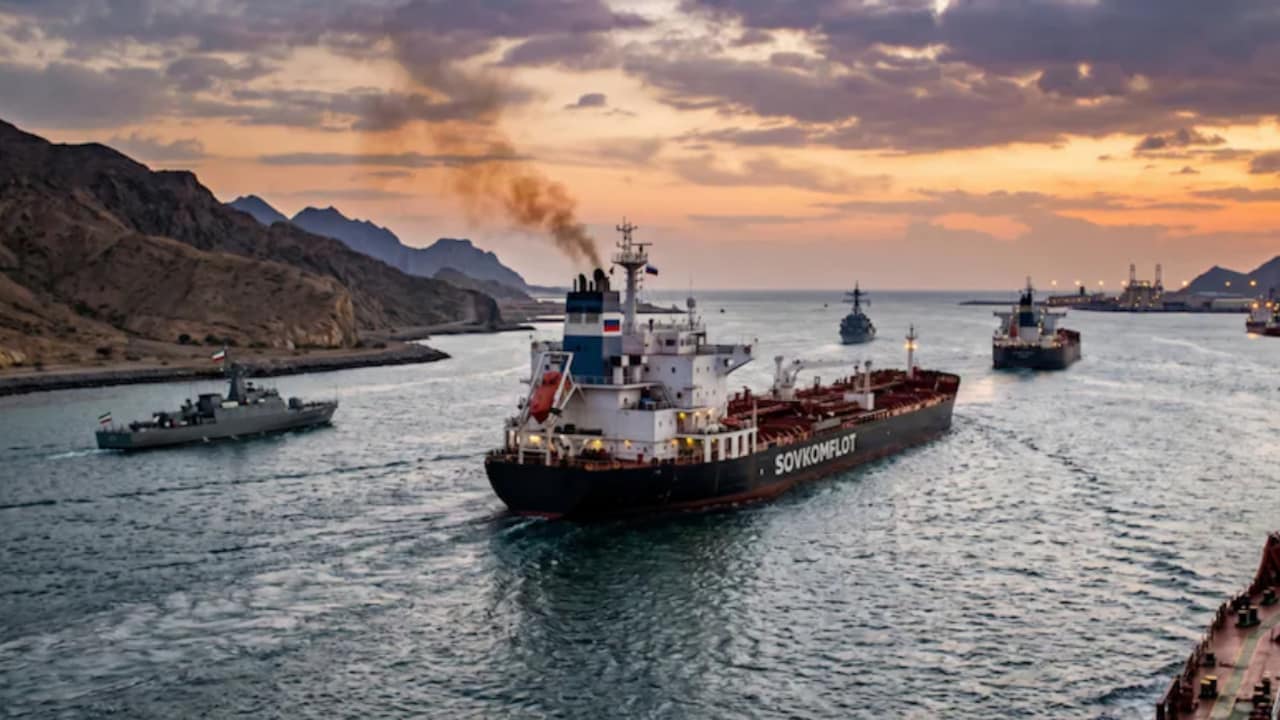
You can feel the tension in global energy markets right now. Everyone is watching the Strait of Hormuz.
Iran recently announced that a draft agreement with Oman regarding the critical waterway is sitting in its final stage. At the same time, President Donald Trump has floated the possibility of an announcement. If this pact goes through, it could finally relieve months of economic pressure and chip away at the ongoing conflict. But let’s look past the optimistic headlines. Getting this corridor open requires both Washington and Tehran to back down from long-held positions, and that rarely happens easily.
What's Actually on the Table
The mechanics of this potential agreement involve a split-channel approach negotiated primarily through Omani mediators. Under the current draft, commercial vessels would enter the Persian Gulf via an Iranian-controlled route and exit through a channel managed by Oman.
Iran wants to impose service fees for environmental security and vessel protection. Washington hates this idea. US officials have repeatedly insisted they will never accept Iranian checkpoints or fees controlling the world's primary energy transit artery.
Meanwhile, Tehran argues that any full reopening depends entirely on the United States lifting its own naval blockade on Iranian ports. Foreign ministry spokesperson Esmaeil Baghaei made it clear that a joint statement depends on avoiding third-party interference—a direct jab at Washington.
Why This Moment is Different
Before you write this off as standard diplomatic posturing, consider the pressures building behind the scenes.
About a fifth of the world's traded oil and natural gas used to flow through this chokepoint before the war broke out on February 28. Shutting it down sent fuel costs soaring and rattled supply chains worldwide. Trump faces intense domestic pressure to wind down an expensive conflict ahead of upcoming congressional elections.
Regional officials note that this framework serves as a temporary bridge. It mimics the structure of an earlier understanding that collapsed back in June. If successful, it opens the door to broader talks concerning Iran's nuclear ambitions.
The Hurdles Ahead
Don't pop the champagne just yet. Supreme Leader Ayatollah Mojtaba Khamenei still needs to sign off on the text, and his stance remains tightly controlled. Hawks in Washington and regional allies like Israel remain deeply skeptical of any arrangement that leaves the regime's maritime leverage intact.
We are looking at a fragile window. Whether this turns into a lasting breakthrough or another failed diplomatic false start comes down to how much ground both superpowers are willing to concede over the next few days.
Iran and Oman agree on coordinates of route through Strait of Hormuz
This video provides an overview of the framework discussions and regional reactions surrounding the diplomatic efforts over the Strait of Hormuz.