Geopolitical friction in the Strait of Hormuz translates immediately into structural supply chain shocks through a predictable mechanism: maritime risk premium expansion. When an unidentified projectile strikes a commercial vessel in this critical waterway, the event ceases to be an isolated marine incident. It becomes a systemic variable that alters global energy transport economics, marine insurance pricing models, and naval defense posture. Understanding this dynamic requires stripping away the narrative noise of breaking news reports and examining the underlying logistics, geographic constraints, and economic vulnerabilities that govern the world's most vital energy corridor.
The Structural Anatomy of the Hormuz Chokepoint
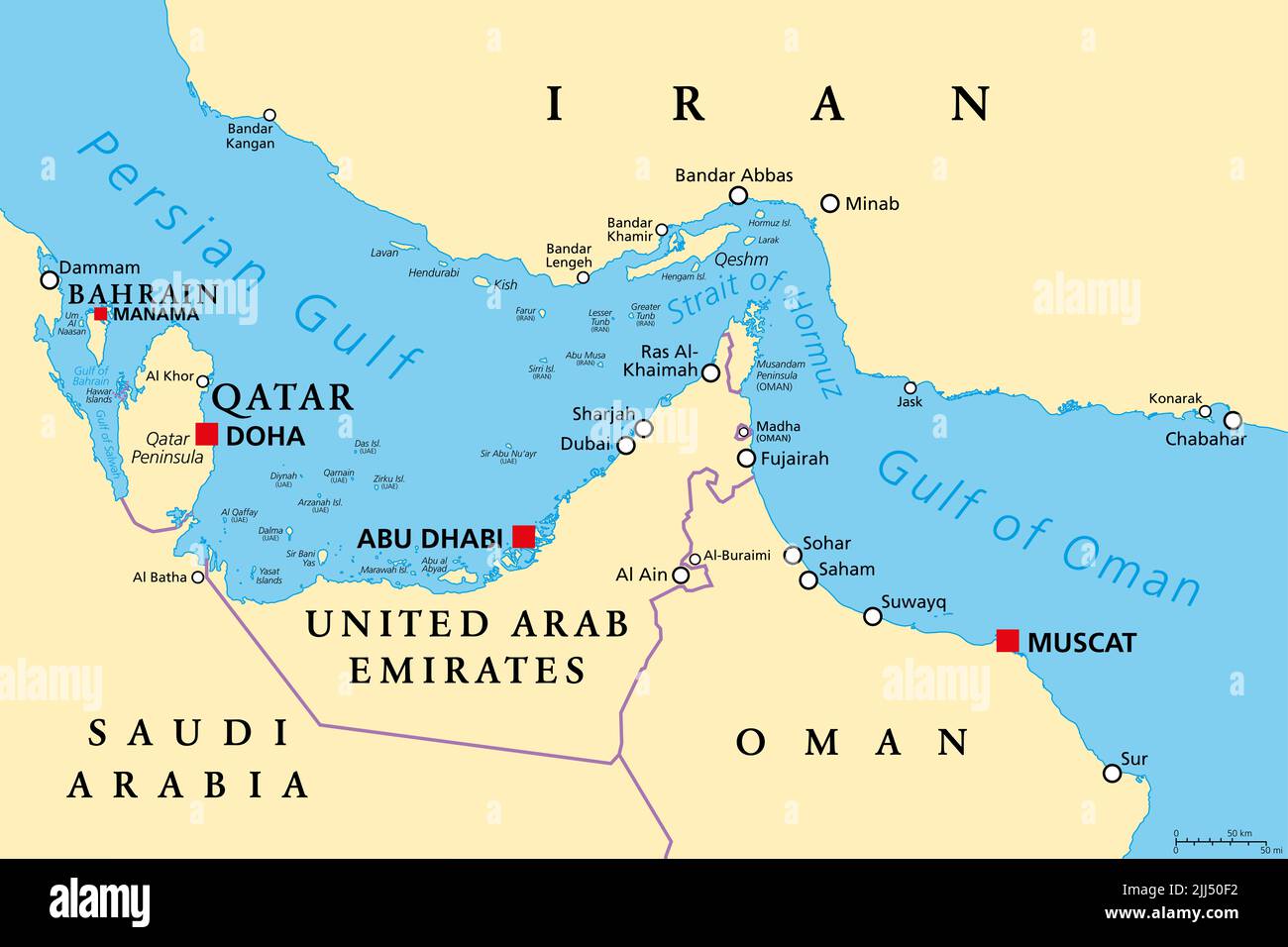
The Strait of Hormuz is a geographic bottleneck connecting the Persian Gulf with the Gulf of Oman and the Arabian Sea. At its narrowest point, the passage spans roughly twenty-one miles, with inbound and outbound shipping lanes each just two miles wide, separated by a two-mile buffer zone. This narrow geometry forces a high concentration of global crude oil and liquefied natural gas transit through a confined operational theater.
Approximately twenty percent of global petroleum consumption passes through this corridor daily. This concentration creates an asymmetric strategic vulnerability. While land-based pipelines offer marginal routing alternatives for a fraction of regional production, the vast majority of export volume from Saudi Arabia, the United Arab Emirates, Iraq, Kuwait, and Iran relies entirely on maritime transport through these shipping lanes.
When a vessel reports a strike by an unknown projectile, the operational risk calculation for every other vessel currently transiting or approaching the zone shifts instantly. The primary variable is not the physical damage to a single hull, but the systemic reassessment of probability regarding asymmetric maritime attacks. Shipowners, charterers, and port operators must evaluate whether the transit fee and delivery timeline justify exposure to kinetic disruption.
The Mechanics of Marine Risk Inflation
Maritime trade through high-risk zones operates on quantifiable risk metrics. The immediate aftermath of a reported strike triggers three distinct financial and operational reactions across the global shipping ecosystem.
First, war risk insurance premiums experience sharp upward adjustments. Underwriters evaluate vessel routing through conflict zones using specific additional premiums calculated as a percentage of the hull and machinery value per voyage. A single confirmed kinetic event inside the Strait of Hormuz signals to insurance syndicates that the baseline probability of loss has increased. Underwriters respond by adjusting rates upward within hours, occasionally canceling coverage altogether for specific flags or routes, which forces operators to seek expensive binder reinstatements or state-backed risk guarantees.
Second, crew hesitancy and operational bottlenecks emerge. Seafarers possess contractual rights regarding hazardous duty zones. When safety margins compress, labor resistance increases. Operators face crew changes refusing to enter the Persian Gulf, demands for hazard pay multiples, or vessel idling while unions assess threat levels. This introduces scheduling friction that ripples across global supply chains long after the initial projectile impact is resolved.
Third, speed and routing adjustments alter transit efficiency. To minimize exposure time within the chokepoint, vessel operators frequently alter speed profiles or adjust scheduling to transit during specific tactical windows. These adjustments consume additional bunker fuel, disrupt tight port rotation schedules, and reduce the overall asset utilization rate of the global tanker fleet.
Second-Order Economic Effects on Energy Markets
The physical disruption of maritime traffic in West Asia propagates directly into global commodity pricing through futures markets and physical supply availability. The transmission mechanism relies on inventory buffers and refinery feedstock requirements.
When transit security degrades, commodity traders reprice forward contracts to account for potential supply delays or outright volume losses. This price adjustment occurs well before any actual barrel of oil is prevented from reaching its destination. The market prices the tail risk of a prolonged closure or severe restriction of the waterway. Refiners in demand centers across Asia and Europe must then secure alternative crude grades from West Africa, the Americas, or the North Sea, often at higher freight rates due to longer ton-mile distances.
The ton-mile metric is the primary determinant of tanker demand. When vessels are forced to take longer routes or experience delays waiting for naval escorts or convoy organization, effective fleet capacity contracts. Fewer active ships are available per barrel of oil moved, driving spot charter rates higher. These elevated freight costs are absorbed by the end consumer, embedding geopolitical risk premiums into refined product prices such as diesel, gasoline, and jet fuel.
Strategic Operational Assessment for Asset Owners
Managing exposure to chokepoint volatility requires a shift from reactive crisis management to proactive risk engineering. Energy corporations, commodity trading houses, and maritime logistics providers must decouple their operational planning from baseline historical assumptions.
Organizations operating in maritime logistics must implement real-time threat intelligence integration that links vessel tracking telemetry directly with security risk scoring models. Relying on delayed media reports or generalized security advisories introduces unacceptable latency into tactical decision-making.
Furthermore, contract structures must incorporate explicit risk-sharing mechanisms. Standard charterparty agreements often leave ambiguity regarding who absorbs the cost of war risk premium spikes, route diversions, or crew-refusal delays. Modern commercial frameworks must define force majeure, freight rate adjustments, and liability thresholds before vessels enter high-risk zones.
The ongoing security environment in West Asia dictates that maritime transit through narrow straits will remain subject to sudden, unannounced disruptions. Strategic resilience depends not on predicting the exact trajectory of an unknown projectile, but on engineering supply chains with sufficient structural redundancy, financial buffering, and operational flexibility to absorb kinetic shocks without catastrophic failure.