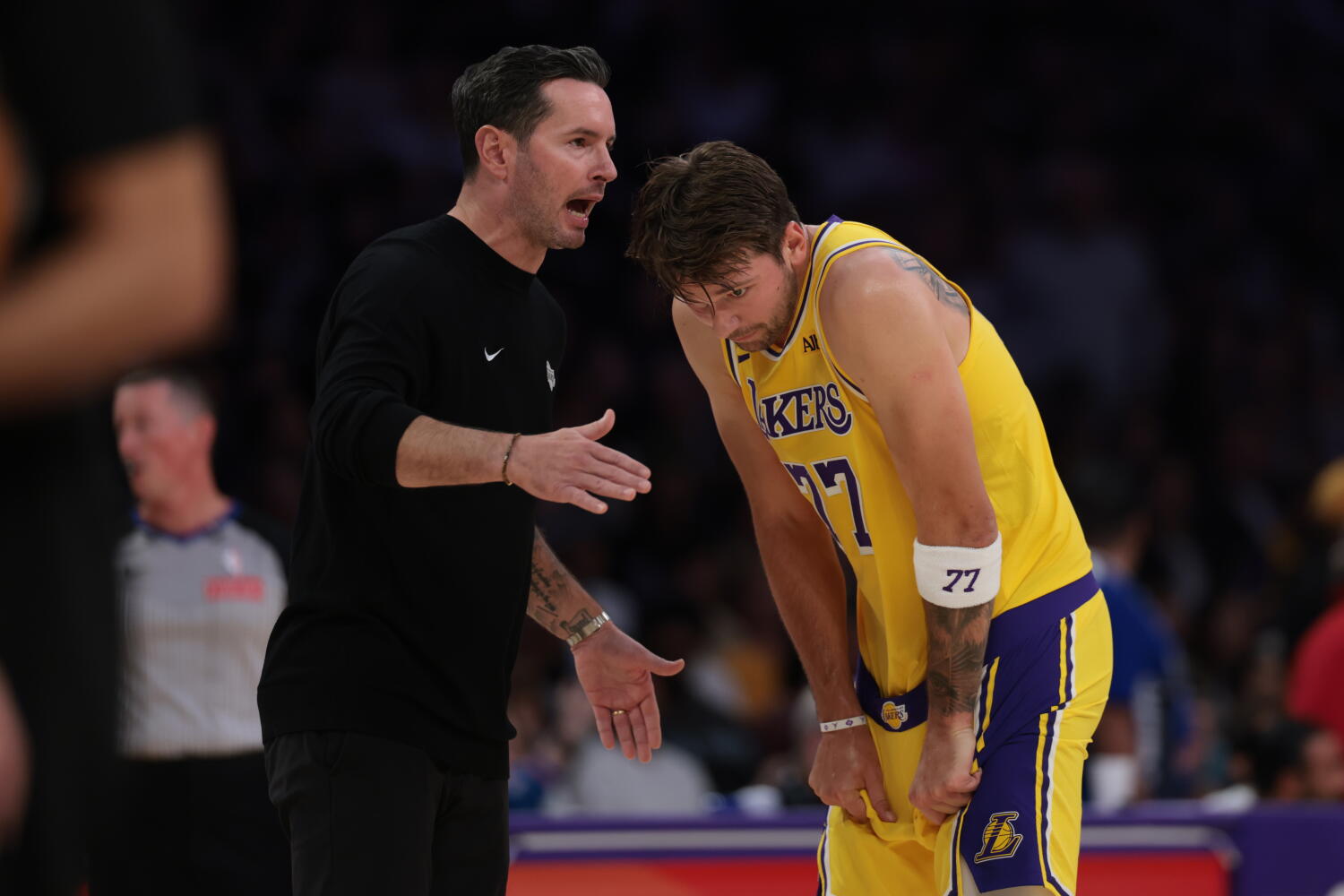
Chasing perfection on a top-ranked offense is how smart front offices ruin good seasons. Look at the lazy consensus around the Los Angeles Lakers right now. The headline narrative loves a neat little arc: the offense looks fun, the ball moves, the points pile up, and yet—gasp—it isn't flawless yet, so there is supposedly "room to improve."
That sounds reasonable. It also gets the entire basketball ecosystem backward.
A high-scoring, fast-flowing offense is not a finished sculpture waiting for a final polish. It is a fragile ecosystem held together by rhythm, spacing, shot selection, and energy allocation. When pundits demand that a league-best attack clean up its rough edges, they treat basketball like a spreadsheet where every extra pass or reduced turnover automatically adds points without costing anything somewhere else.
It doesn't work like that. Every tweak has a tax. Push for clinical precision on every possession and you can drain the spontaneity that makes the unit dangerous. Demand more movement from older legs or higher-usage stars and you can quietly steal the oxygen needed on the defensive end.
The real question isn't whether the Lakers can polish a strong offense into something cleaner. The real question is whether trying to "fix" what already works will break the balance that keeps them winning.
The Lazy Consensus Around Offensive "Room to Improve"
Every time a team posts elite offensive numbers early or mid-season, the same predictable script rolls out. Analysts praise the pace and spacing, point out sloppy stretches or stubborn habits, and conclude that the ceiling is even higher once the kinks get ironed out.
There is a kernel of truth in that script, which is why people fall for it. NBA offenses evolve over a long schedule. Timing sharpens. Secondary actions become second nature. Bad shots get trimmed down as rotations settle.
Where the lazy consensus trips is assuming that offensive efficiency and offensive optimization mean the same thing.
In basketball analytics, offensive rating measures points scored per 100 possessions. It is a great scoreboard for output, and a terrible diagnostic tool for sustainability. A team can post blistering offensive numbers because:
- Opponents are playing tired or experimenting with matchups.
- Role players are hitting above-career-average looks off broken plays.
- Star creators are bending defenses in ways that generate high-value shots even when the half-court set looks messy.
Calling an offense "not yet flawless" implies that its messy parts are bugs waiting for a software patch. Often, those messy parts are features. A high-usage playmaker holding the ball half a beat longer to read a low-man tag might look stagnant to someone watching for crisp side-to-side passing, yet that exact pause can force a help defender out of position and open a corner three or a straight-line drive.
I have watched basketball operations groups spend months chasing aesthetic cleanliness—more touches, fewer contested pull-ups, tighter play calls—only to watch the team's scoring efficiency stall because the players stopped reacting instinctively. You can over-coach a good offense into hesitation.
Why "Fun and Flowing" Is Rarely an Accident
When people describe an offense as "fun and flowing," they usually talk about vibes, smiles, and ball movement. Good coaches talk about advantage creation and decision speed.
Flow happens when players know what advantage they have and attack it before the defense can organize a second line of help. Sometimes that comes from five passes around the perimeter. Sometimes it comes from a single screen, a downhill burst, and two decisive reads.
Consider what happens when a team tries to manufacture "cleaner" basketball by forcing extra passes. Pass number four might look prettier on a highlight reel than a pull-up jumper on pass two. Yet if pass four goes to a shooter who has to hop into his rhythm while a closeout arrives, the extra pass actually lowered expected points.
Imagine a scenario where a team leads the league in offensive rating largely because two stars draw relentless double-teams and kick out to shooters who fire immediately without overthinking. A critical analyst watches a third quarter with a few rushed threes and argues the offense needs more discipline and structure. The coaching staff installs stricter set plays and tells players to hunt paint touches first. The possessions look tidier. The ball moves more. And suddenly the defense loads up on the paint, the rhythm slows down, and the shots that used to come in stride now come late in the shot clock.
Nothing "broke" in terms of effort. The system just traded chaos-generating freedom for neatness—and paid for it in points.
The Hidden Trade-Offs Nobody Wants to Price In
Offense does not exist in a vacuum. Every ounce of energy, concentration, and minutes spent on one end of the floor leaves a mark on the other.
NBA coaches have spoken about this dynamic for decades. Pat Riley famously preached that defense and rebounding travel and anchor championship runs, while Mike D'Antoni built careers around pace and space forcing opponents into uncomfortable choices every trip down. Coaches like Gregg Popovich and Erik Spoelstra have repeatedly emphasized that sustainable winning requires understanding where your team can afford friction and where it cannot.
When a high-scoring team gets told it has "room to improve" offensively, nobody ever puts a price tag next to the suggestion. Yet every adjustment carries a cost:
- Energy depletion: Pushing pace or running constant off-ball screening demands stamina. If the same core players carry heavy offensive loads, legs get heavy late in games—right when defensive rotations and box-outs require sharp footwork.
- Turnover risk vs. aggression: Aggressive playmaking and quick trigger shooting create high-value looks, but they also produce live-ball turnovers. Trying to squeeze out every last turnover can turn bold attackers into cautious ones.
- Lineup math: Putting your best offensive five on the floor might maximize points per possession, while hurting rim protection or defensive rebounding. Improving the offense through lineup tweaks can quietly weaken the defense by more than the offense gains.
A sharp front office looks at net rating—the difference between offensive rating and defensive rating—alongside playoff matchup resilience, not just whether the offense looks pretty on a Tuesday night.
Dismantling the "People Also Ask" Traps
When a high-powered team draws headlines about offensive potential, search feeds fill up with familiar questions. Most of them smuggle in a bad premise.
"Can a league-best offense actually get much better during the season?"
It can evolve, which is different from getting "much better" in raw efficiency. Once an offense is already sitting near the top of the league, the law of diminishing returns hits hard. Going from average to top-five is a massive leap; going from top-two to untouchable is much harder because opponents start scouting your counters, switching more coverages, and physicality rises. What improves most is usually adaptability—having a reliable counter when defenses take away your first option—rather than raw scoring output.
"What is holding a flowing offense back from being flawless?"
Usually, human nature and math. No offense in basketball history is flawless because defenses get paid, too, and variance is real. Even an elite 38% three-point shooter misses roughly three out of every five tries. Calling an offense "not yet flawless" because shots miss or a quarter gets clunky mistakes normal variance for a structural flaw.
"Should a high-scoring team focus more on offense or defense?"
If the offense is already carrying the team, obsessing over marginal offensive tweaks is often the wrong priority. A team with a top-tier offense and a mediocre defense usually gets far more mileage out of fixing transition defense, foul discipline, or defensive rebounding than out of trying to squeeze another half-point out of an already humming attack.
Where My Contrarian Stance Can Burn You
I am not telling you that every offensive flaw is sacred or that coaches should ignore bad habits. That would be just as lazy as demanding perfection.
There is a real danger in leaning too far into "don't touch what's working." Sometimes a high-scoring offense is masking habits that get exposed in a seven-game playoff series. If a team relies heavily on tough shot-making or transition buckets that dry up when games slow down and referees swallow their whistles, ignoring structural half-court weaknesses can backfire in May.
Bad spacing is still bad spacing. Lazy floor balance that leads to run-outs the other way is still a real problem. A contrarian approach fails when contrarianism becomes contrarianism for its own sake—when an analyst defends sloppy basketball just to sound edgy.
The trick is knowing the difference between cosmetic messiness that fuels scoring and structural rot that fails under playoff pressure.
Actionable Moves for Smarter Evaluation
If you want to evaluate a high-scoring Lakers team—or any elite offense—without falling for surface-level narratives, change how you watch and measure it:
- Track shot quality, not just shot elegance: Look at whether the team is generating open threes, layups, and free-throw trips, regardless of whether the possession featured five passes or two.
- Watch transition defense after made and missed shots: A "fun, flowing" offense that leaks points in transition because shooters admire their follow-through or crash carelessly can give back half its gains.
- Separate regular-season rhythm from playoff counters: Ask whether the offense has a dependable pressure-release valve when defenses blitz screens, shrink the paint, or switch everything.
- Audit workload distribution: Pay attention to who is handling the ball in crunch time and how much defensive effort those same players still have left in the fourth quarter.
Leave the obsession with "flawless" to people who grade basketball like figure skating. Winning basketball isn't about looking spotless on every possession; it is about outscoring the opponent while keeping enough left in the tank to stop them when it counts.