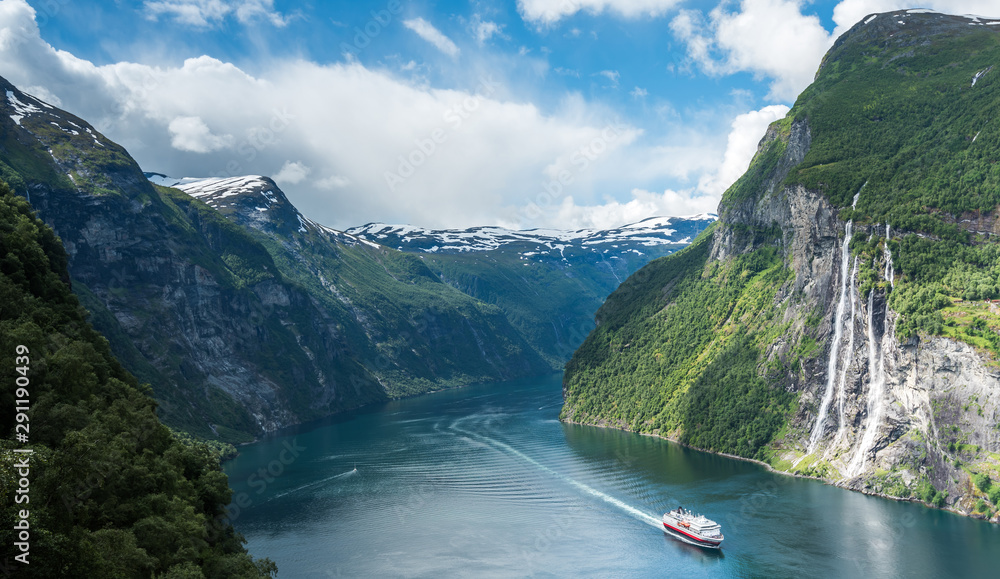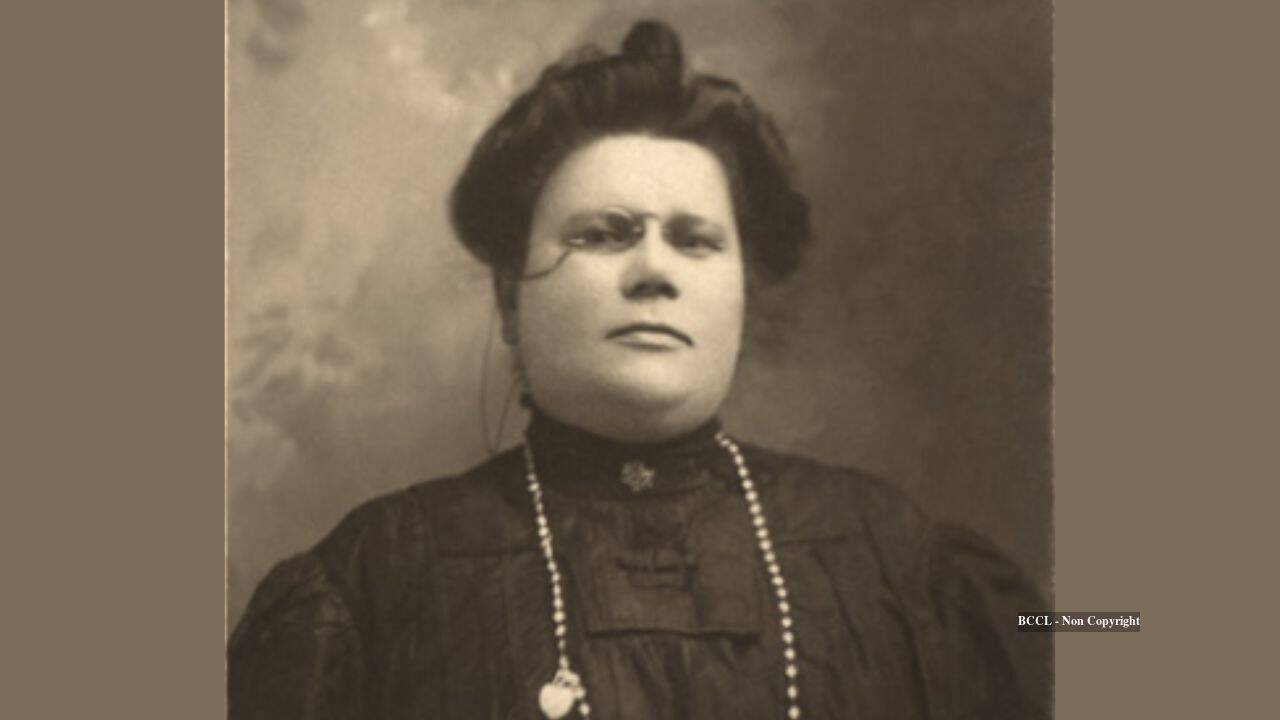
The lazy consensus loves a tidy fable. Media outlets adore packaging the extraordinary life of Mahala Ashley Dickerson into a breezy Hallmark postcard. The popular script reads like a cozy adventure: a successful lawyer takes a casual holiday to Alaska, gets mesmerized by the pristine wilderness, claims 160 acres of untouched dirt in the Matanuska-Susitna Valley, and accidentally becomes a pioneering icon.
What a comforting fairy tale. It reduces systemic calculation, sheer grit, and hard tactical positioning to a spontaneous tourist whim.
Nobody packs up triplet sons, leaves established roots in the American South and Midwest, and stakes a massive land claim at the edge of the Arctic frontier on a whim. Dickerson did not stumble into history because she saw a pretty mountain on a summer trip. She executed a calculated relocation to a frontier jurisdiction where the old boys' club was still being built, meaning the structural barriers were malleable enough to break through.
If you want to understand how real pioneers operate, stop looking at the vacation brochures and start examining the legal blueprints.
The Myth of the Accidental Frontier
Mainstream retrospectives frame Dickerson’s 1958 journey north as an escape to nature. This interpretation sanitizes the reality of mid-century American jurisprudence. By the time Dickerson landed in Alaska, she had already broken barriers at Howard University School of Law, integrated the Alabama State Bar in 1948, and navigated the treacherous political waters of Indiana as the second Black woman admitted to its bar.
She wasn't seeking scenery. She was seeking oxygen.
In established legal markets across the American South and Midwest, institutional gatekeeping operated like a medieval fortress. Every courtroom was saturated with entrenched patronage networks. By moving to the Alaska Territory just prior to statehood, Dickerson entered a legal jurisdiction in flux. The rules were unsettled. The power structures were volatile.
When you drop a brilliant legal mind into a territory rewriting its social contract, you do not get a vacationer. You get an architect. Claiming 160 acres under the Homestead Act wasn't about growing cabbages in the midnight sun; it was about securing sovereign capital and literal ground to stand on while she cracked open the territorial bar exam.
Weaponizing Isolation
Conventional profiles look at Dickerson establishing her practice in Anchorage and Wasilla as a triumph over geographic isolation. That framing misses the competitive advantage of operating where the establishment is thin.
In major metropolitan hubs, systemic discrimination hides behind thick layers of corporate law firms and institutional inertia. In frontier Alaska, the discrimination was naked, clumsy, and therefore vulnerable to direct legal assault. Dickerson understood that an isolated legal market means fewer resources for the opposition when a properly briefed brief hits the desk.
Her legal battles, including the landmark equal pay victory for female faculty members at the University of Alaska, were not polite requests for fairness. They were calculated precision strikes against institutional complacency. When opposing counsel snarled at her courtroom zeal, she did not retreat; she used their arrogance as fuel.
"My zeal was often resented by opposing counsel. I had no fear of the other attorney and often incurred his wrath." — Mahala Ashley Dickerson
That is not the voice of someone who fell in love with a landscape. That is the voice of a professional combatant who recognized that the frontier rewards those who refuse to blink.
The Real Lesson of Al Acres
Later in life, Dickerson established a charitable non-profit and managed her land holdings, including interactions with local groups like the Quakers. Biographers love to paint these later chapters as a soft twilight of gardening and community building.
Look closer at the transactional reality. Dickerson held the cards. She dictated the terms of access to her property, maintained independent financial leverage through decades of private practice, and refused to trade her autonomy for social acceptance.
When people study trailblazers like Dickerson today, they sanitize their legacies into comforting lessons about representation. They focus on the "first Black female" milestones while ignoring the cold, tactical mechanics of how those milestones were seized. Milestones are not handed out to tourists. They are taken by operators who master the terrain, control their assets, and out-execute every institutional gatekeeper in the room.
Stop waiting for a vacation to change your trajectory. Build your leverage, secure your acreage, and prepare for the fight.