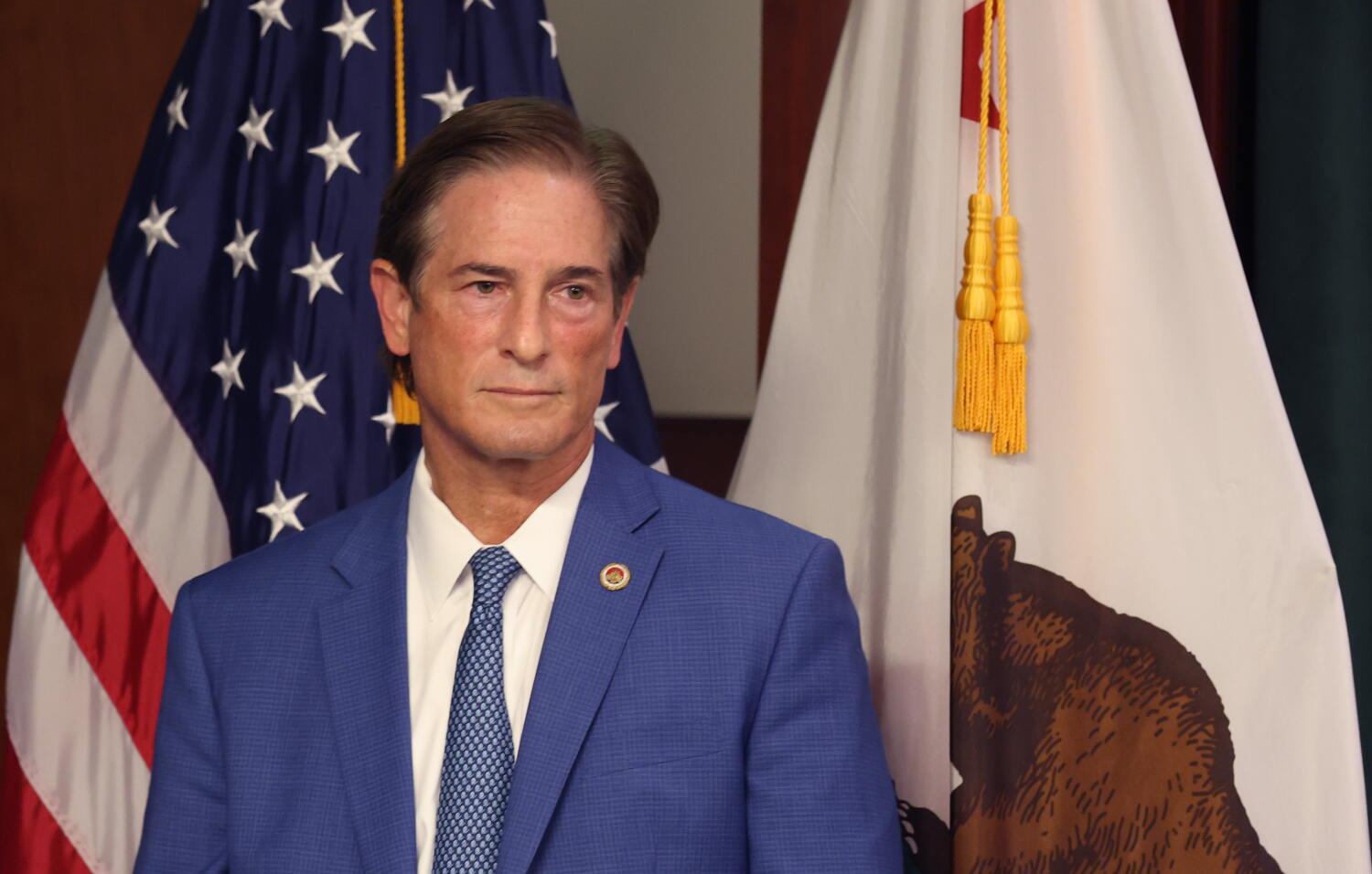
Los Angeles County District Attorney Nathan Hochman reversed his stance on pursuing felony charges against an LAPD officer who secretly recorded colleagues making racist and homophobic remarks. In response, commentators have rushed to normalize this sort of backtracking, framing it as a mature evolution or a sign of an open-minded leader who is willing to adapt when faced with complex realities.
This is dangerous apologia.
The lazy consensus in modern political commentary treats consistency as a flaw and shifting positions as a virtue, as if erratic decision-making is the hallmark of sophisticated governance. When a prosecutor pivots on high-profile accountability cases, it is not an enlightened reassessment. It is a symptom of institutional cowardice. Pretending that changing your mind on core constitutional principles is just part of the job description ignores the immense collateral damage left in the wake of political U-turns.
We need to dismantle the fiction that flip-flopping in the prosecutor's office is harmless pragmatism.
The Myth of the Evolving Prosecutor
The primary defense offered for sudden reversals by elected officials relies on a comforting narrative: governance is hard, new facts emerge, and rigid adherence to an initial stance is mere stubbornness. This argument collapses the moment you examine how prosecutorial discretion actually functions.
Prosecutors do not operate like startup founders iterating on a software beta. They wield the coercive power of the state. Every time a district attorney reverses course on whether police misconduct warrants felony prosecution or whether a historic conviction deserves a challenge, human lives hang in the balance.
Consider what happens when a top prosecutor signals a hardline stance on accountability during a campaign, only to retreat behind bureaucratic caution once installed in office. The message to municipal agencies is unmistakable. Rules apply differently depending on the political weather.
I have watched administrative agencies burn through public trust not because they made mistakes, but because their principles shifted depending on who was standing in the lobby. When a prosecutor alters course on internal corruption cases, they are not showing flexibility. They are signaling that the law is negotiable for insiders while remaining absolute for everyone else.
Why Shifting Stances Erodes Accountability
The defenders of political flexibility love to frame consistency as an outdated virtue. They argue that changing your mind shows you are listening to constituents and law enforcement stakeholders.
This logic mistakes pandering for listening.
When a district attorney reverses a charging decision under pressure from powerful institutional lobbies like police unions or political elites, that is not an epiphany. That is capitulation. A real leader establishes a transparent framework based on statutory interpretation and constitutional consistency, then sticks to it even when it hurts.
Imagine a scenario where corporate legal departments changed their compliance standards every two weeks based on which executive complained the loudest. The market would crash from sheer unpredictability. Yet we expect the criminal justice system—the ultimate arbiter of liberty—to pivot on a whim and call it growth.
The consequences of this erratic approach show up immediately in institutional rot. When officers realize that recording systemic bigotry can result in aggressive target-shifting by prosecutors, or when victims of corruption see cases handled according to political convenience rather than evidentiary standards, confidence in the justice system evaporates.
The Cost of Convenient Pragmatism
We have normalized a culture where politicians can campaign on sweeping promises of law-and-order reform or absolute integrity, only to abandon those commitments the moment a difficult file lands on their desk.
This isn't evolution. It is an evasion of duty.
If a district attorney cannot maintain a predictable, legally sound position on police accountability or public corruption, they shouldn't be managing a multi-million-dollar prosecutorial apparatus. Excusing arbitrary policy reversals under the guise of intellectual maturity gives every elected official a free pass to say anything to win an election and do whatever is convenient once they arrive.
Stop rewarding institutional backtracking with applause. Demand a system where a leader's word on justice means more than the latest polling memo.