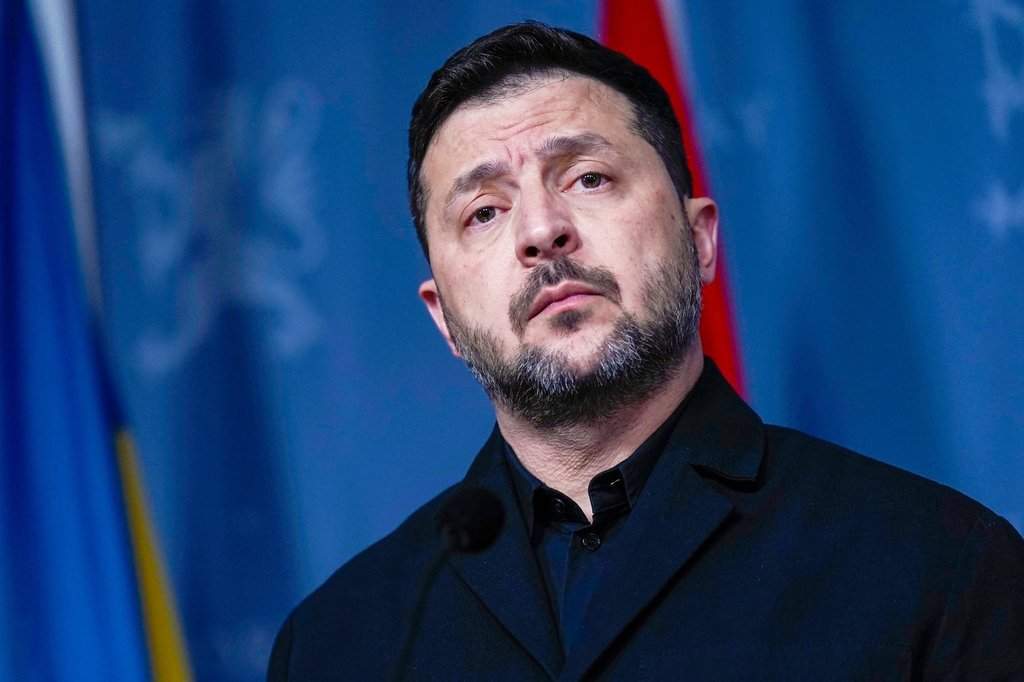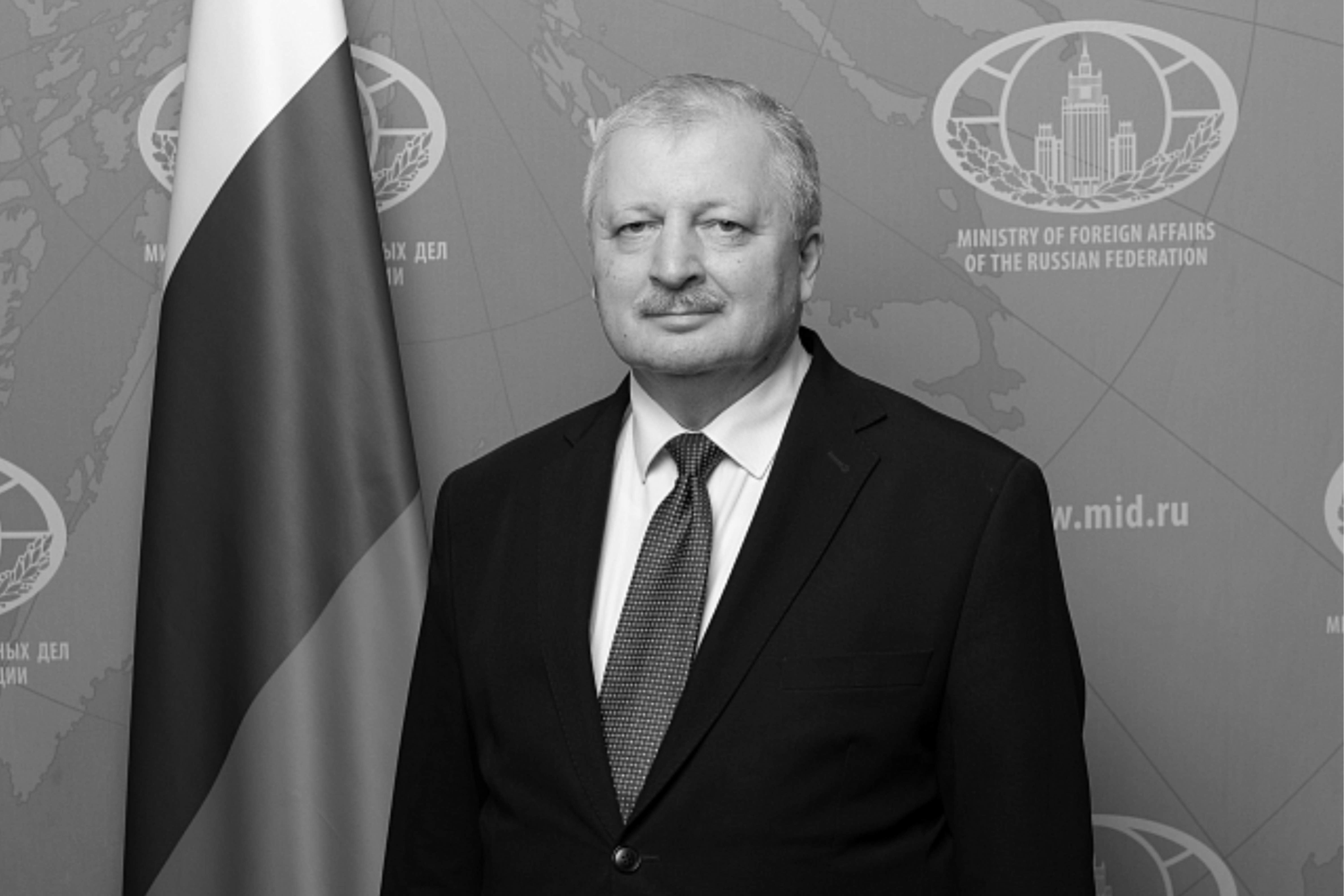
Every time a high-ranking Russian official dies unexpectedly, Western media drops everything to play amateur detective. You have seen the exact playbook play out again with the sudden passing of Moscow's envoy to Washington at 66. The scare quotes go around the word "suddenly." Anonymous intelligence sources whisper about heart attacks versus foul play. Commentators dust off Cold War thrillers and start counting bodies.
It is lazy journalism. Worse, it is a massive strategic distraction.
By turning a 66-year-old bureaucrat's death into a murder-mystery parlor game, newsrooms completely miss the structural collapse of modern diplomacy. The real scandal is not whether there was poison in the teacup. The real scandal is that the position itself has been hollowed out into an irrelevant, high-stress pressure cooker where the occupant has zero actual authority to prevent global conflict.
When you fixate on the forensic cause of death, you ignore the political cause of irrelevance.
The Anatomy of Lazy Consensus
The mainstream coverage of a Russian ambassador dying on the job relies on a predictable, Pavlovian reflex. Reporters immediately link the event to a string of past fatalities involving Russian executives, oligarchs, and diplomats over the last decade. They treat correlation as an ironclad conspiracy.
Here is what they leave out because it ruins a good headline.
First, look at the demographics. A 66-year-old man from Russia has already outlived the historical average male life expectancy in his home country for much of his adult life. Combine that baseline actuarial reality with a job that demands 16-hour days, relentless public hostility, constant surveillance, and the psychological weight of defending an indefensible foreign policy on hostile soil. You do not need a covert assassination squad to induce a fatal coronary event in that environment. Stress, isolation, and age do the heavy lifting for free.
Second, consider the operational logic of statecraft. Intelligence agencies and autocratic regimes are ruthless, not stupid. Eliminating a sitting ambassador in the capital of your primary geopolitical adversary yields zero tactical advantage while guaranteeing maximum diplomatic blowback. Ambassadors do not hold the nuclear codes. They do not command battalion tactical groups. They do not control sovereign wealth funds. Killing your own messenger in Washington achieves nothing except turning your embassy into a crime scene crawling with federal investigators.
Yet the press clings to the intrigue because intrigue sells clicks. Explaining the bureaucratic decay of bilateral relations does not.
What an Ambassador Actually Does Now
To understand why the obsession with the individual is misplaced, you have to understand how modern diplomatic missions operate under severe sanctions and near-total communication blackouts.
In classical diplomacy—think George Kennan sending the Long Telegram from Moscow in 1946—an ambassador was the vital nervous system between two capitals. They interpreted nuance, built backchannels, softened harsh directives, and possessed enough autonomy to negotiate compromises before crises boiled over.
That era is dead.
Today, an envoy from Moscow to Washington is little more than a glorified stenographer and a human shield. Having spent years analyzing diplomatic cables and watching senior foreign service officers burn out across three continents, I have seen firsthand how centralized authoritarian systems strip their overseas representatives of all agency.
- Zero Policy Input: Major strategic decisions are made by a tiny, insular circle inside the Kremlin security apparatus. The embassy in Washington often learns about major military or geopolitical shifts at the exact same time CNN does.
- Severed Access: Under current diplomatic restrictions, a Russian ambassador cannot simply walk into the State Department or the West Wing to hash things out. Meetings are rare, heavily scripted, and largely ceremonial.
- Hostile Logistics: Expulsions of diplomatic staff have left embassies running on skeleton crews. The ambassador is left managing basic administrative survival—visas, property disputes, and security protocols—rather than grand strategy.
When a diplomat is reduced to reading pre-approved talking points off a laminated card while locked out of every room that matters, their personal survival or demise changes the trajectory of bilateral relations by precisely zero percent.
Dismantling the Questions Everyone Gets Wrong
Whenever news like this breaks, search engines flood with the exact same predictable queries. Let us dismantle the flawed premises behind them.
Did the Kremlin order a hit on its own envoy?
This question assumes the envoy posed a threat. Autocracies purge officials who control independent power bases, command private armies, or hold compromising financial leverage over the leadership. Career diplomats possess none of these assets. They are replaceable cogs in a massive civil service machine. If Moscow wants an ambassador gone, they do not stage a dramatic medical emergency in Washington; they issue a two-sentence decree recalling them to Moscow and reassigning them to a desk job in the Ministry of Foreign Affairs. It is cheaper, quieter, and avoids handing Western intelligence a propaganda gift.
Will this death trigger a shift in U.S.-Russia relations?
No. Foreign policy between nuclear superpowers is driven by structural interests, military posture, economic leverage, and domestic political survival—not the personality of a single diplomat. Whoever replaces the deceased ambassador will arrive in Washington with the exact same set of instructions, face the exact same wall of diplomatic isolation, and deliver the exact same uncompromising rhetoric. Expecting a personnel change at the embassy to thaw relations is like expecting a new tollbooth operator to fix a collapsed bridge.
Why are so many Russian officials dying suddenly?
If you lump together energy executives falling out of hospital windows in Siberia, military contractors dying in helicopter crashes, and an elderly diplomat suffering a medical emergency in Washington, you can manufacture any narrative you want. Analytical rigor requires separating distinct categories. Oligarchs caught in brutal domestic turf wars over shrinking state revenues face very real, lethal internal violence. Elderly bureaucrats working under extreme psychological pressure in hostile capitals face very real cardiovascular failure. Treating both phenomena as part of a single monolithic plot is intellectual laziness.
The Real Crisis Hidden Behind the Headlines
While reporters waste ink speculating about foul play, they are ignoring the genuinely terrifying reality exposed by this event: the complete breakdown of diplomatic off-ramps.
Think about what happens when an ambassador dies in a functional relationship versus a broken one. In a functional relationship, the passing of a senior envoy triggers high-level condolences, brief pauses in rhetoric, and quiet consultations between senior officials to ensure continuity of communication.
In a broken relationship, it exposes a vacuum.
Right now, there is virtually no institutional trust left between Washington and Moscow. The embassy on Wisconsin Avenue is an isolated fortress. The U.S. mission in Moscow operates under similar siege conditions. Because neither side empowers its diplomats to speak candidly or explore off-the-record compromises, every misunderstanding escalates immediately to the highest political levels—or plays out through proxy conflicts and economic warfare.
Imagine a scenario where a miscalculated naval encounter in the Black Sea or an accidental airspace violation over the Baltics occurs tomorrow. During the Cuban Missile Crisis in 1962, Ambassador Anatoly Dobrynin was able to meet secretly with Attorney General Robert Kennedy, convey genuine fears, clarify intentions, and broker a face-saving exit from nuclear annihilation.
Ask yourself honestly: does any diplomat in Washington or Moscow today possess that kind of direct access, personal credibility, or trusted backchannel?
They do not. And that institutional paralysis is infinitely more dangerous than any conspiracy theory surrounding an ambassador's death.
The Downside of Cold Realism
Admitting that this death is likely a tragic, stress-induced medical reality rather than a Hollywood espionage plot comes with an uncomfortable catch.
Cynical realism can breed complacency. When you dismiss every sudden death as bureaucratic burnout, you risk lowering your guard against the very real instances where state-sponsored violence actually does occur on foreign soil. Intelligence services do cross lines. Dissidents are targeted abroad. Ignoring patterns entirely is just as dangerous as seeing ghosts in every shadow.
The discipline lies in demanding hard evidence before jumping to conclusions. Until forensic toxicology or credible intelligence proves otherwise, treating a 66-year-old diplomat's death as an assassination degrades public discourse and trains the audience to consume news as entertainment rather than geopolitical analysis.
How to Actually Read Geopolitical News Without Getting Played
If you want to understand what is truly happening beneath the surface of international crises, stop reacting to the sensationalist framing of breaking news alerts. Apply a ruthless filter to every foreign policy story you read.
- Follow the Institutional Incentives: Always ask who benefits tangibly from an event. If an alleged plot creates massive headaches for the perpetrator while delivering zero strategic gain, throw the theory in the trash.
- Separate the Messenger from the Architect: Never confuse the visibility of a diplomat with actual power. Look at who controls the security councils, the central banks, and the military logistics—not the person standing behind a podium in a foreign capital.
- Watch the Replacements, Not the Departures: In authoritarian bureaucracies, the exit of an official tells you very little. The profile of their replacement tells you everything. If Moscow sends a rigid hardliner with zero Washington experience, they are signaling permanent deep freeze. If they send a seasoned technocrat with arms-control credentials, they are quietly preparing for future negotiations.
- Ignore the Scare Quotes: Whenever a headline puts quotation marks around words like "suddenly" or "accident" without citing a single piece of forensic evidence, recognize it for what it is: editorial clickbait designed to imply a conspiracy the outlet cannot legally prove.
Stop looking for poison in the embassy. Look at the empty chairs in the negotiating rooms instead. That is where the real danger lives.