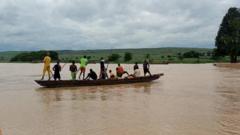
Every time a wooden barge splinters in the murky waters of north-western Nigeria, the media playbook rolls out its favorite sedative. Headlines screech about sudden storms, churning river currents, and cruel acts of nature. Officials shake their heads, offer platitudes, and promise an investigation that goes nowhere.
It is a convenient fiction.
Nature does not sink overloaded wooden vessels. Greed, structural regulatory failure, and systemic indifference do. When a boat carrying dozens of passengers founders on the Niger or Kaduna rivers, the tragedy is treated as an unpredictable act of God. That framing is not just lazy. It is a death sentence for the next hundred passengers who step onto a rotting hull.
The lazy consensus blames the elements. The reality exposes a total breakdown of state capacity disguised as a weather report.
The Economics of Avoidable Carnage
Let us look at the mechanics of these disasters without the emotional fog. Rural mobility in northern Nigeria relies on waterways because terrestrial infrastructure remains abysmal. Roads crumble, bridges wash out, and remote communities depend on informal river transport.
Enter the wooden boat operators. Operating in a regulatory vacuum, these entrepreneurs maximize yield per trip by ignoring every safety margin known to maritime science. Passengers are packed like cargo. Life jackets are treated as mythical artifacts rather than mandatory safety gear.
When a vessel carrying eighty people capsizes because it was rated for thirty, assigning blame to a gust of wind is journalistic malpractice. The wind merely finished a job that economic desperation and regulatory cowardice started years prior.
I have watched maritime regulators in developing transport sectors look the other way because enforcing load limits would cut off isolated trade routes. The calculation is cold. Allow dangerous transit to continue, and cross your fingers that the gods are merciful today. When luck runs out, blame the rain.
Dismantling the Enforcement Mirage
People ask why local authorities do not simply ban wooden boats or arrest overloaded operators. That question assumes the state possesses the enforcement apparatus of a modern coastal nation. It does not.
Local marine police lack fuel, boats, and authority. Telling an impoverished river community to halt operations because their canoes lack certification is a non-starter when those canoes represent their only link to markets and hospitals.
The standard policy response follows a predictable arc:
- Express shock and grief.
- Announce a temporary ban on night sailing or overloading.
- Wait two weeks until public outrage fades.
- Return to business as usual.
This cycle guarantees repetition. You cannot regulate an informal transit network with bureaucratic paperwork and empty threats. If the state wants to stop these tragedies, it must subsidize and build functional, standardized ferries instead of punishing peasants for using floating coffins.
The Real Fix Nobody Wants to Fund
Fixing river transport requires capital allocation and political will, two commodities in short supply across northern state capitals.
First, stop treating waterways as unregulated wild west frontiers. Every vessel must have a registered maximum capacity stamped into its hull.
Second, tie rural road development to river safety. If the government actually paved connecting arterial routes, fewer traders would risk their lives on overcrowded wooden barges in the first place.
The next time a boat goes down and commentators point to the stormy skies, ignore them. Look instead at the empty dock offices, the bribed inspectors, and the systemic refusal to value rural lives.
Stop mourning the weather. Start charging the architects of neglect.


