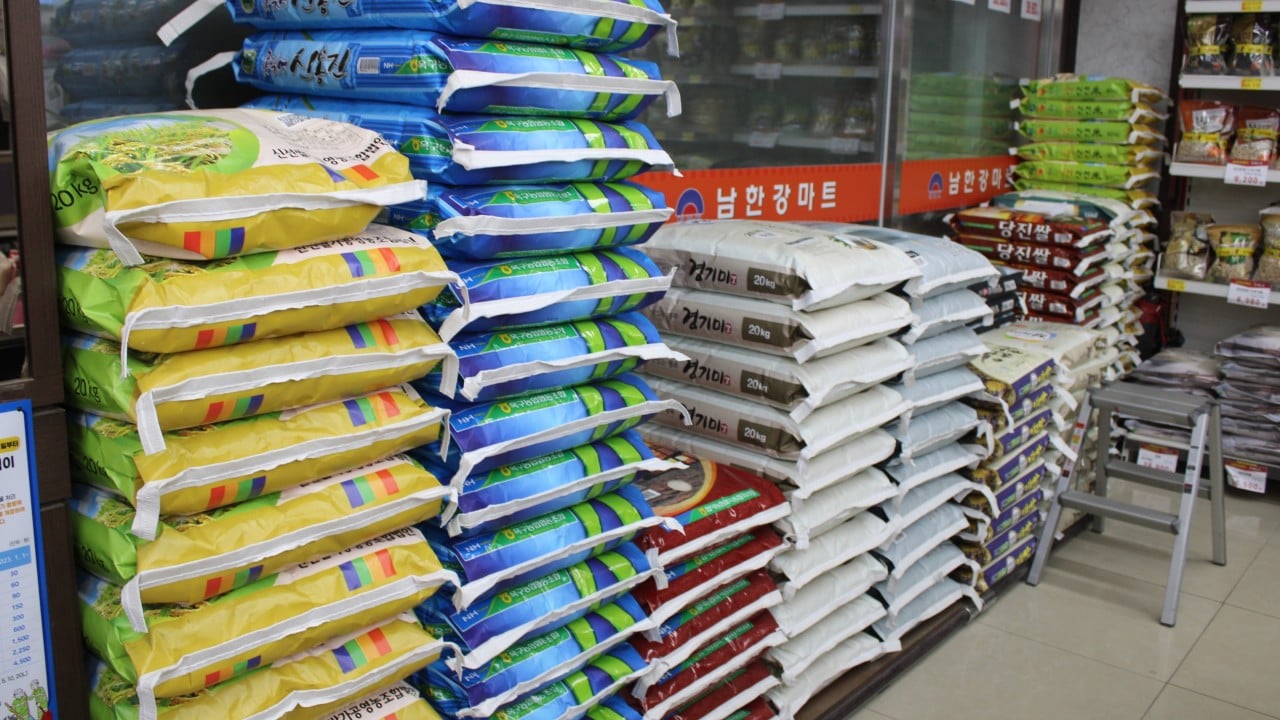
South Korean bulk buying just hit a record US$1.1 billion in monthly card spending at major warehouse chains, showing how households are fighting stubborn food inflation. When restaurant tabs keep climbing and grocery staples feel pricier every week, loading up on larger packs starts looking less like overbuying and more like basic defense.
Data from market tracker WiseApp Retail shows combined estimated card spending at Costco and Emart Traders reached 1.45 trillion won—roughly US$1.1 billion—in September 2026. That milestone captures a real shift in how people buy groceries in South Korea. Instead of grabbing a single carton or a small bag down the street on impulse, families are planning bigger runs and stretching every won. If you enjoyed this post, you might want to check out: this related article.
Honestly, this trend isn't just about bigger carts. It's a tug-of-war between higher everyday costs and smarter household logistics.
How South Korean Bulk Buying Reshapes Grocery Habits
Walk through a warehouse store in Seoul or a nearby suburb and the math becomes obvious right away. A single trip feels heavy on the wallet. The receipt is bigger upfront. Yet the cost per gram, per serving, or per roll often undercuts neighborhood shops and convenience stores. For another perspective on this development, check out the recent update from Financial Times.
Industry watchers report that warehouse retail spending has been gaining ground across major retail channels—even as shoppers still visit hypermarkets, department stores, and convenience stores. That doesn't mean smaller neighborhood stops are going anywhere. People still run out for a quick snack, a drink, or one forgotten ingredient. Still, core staples like proteins, pantry basics, and household supplies are increasingly moving into bulk monthly or biweekly cycles.
For families with steady weekly routines, predictability matters almost as much as unit price. Knowing you already have rice, noodles, meat, or paper goods covered cuts down on last-minute price shocks.
Why Warehouse Models Trim Shelf Prices
Warehouse chains don't pull off lower unit prices by magic. They strip out friction at multiple points in the supply chain.
- Narrower assortments: Carrying fewer competing brands and pack sizes gives buyers stronger negotiating leverage with suppliers.
- Low-frills presentation: Leaving goods in shipping boxes or on pallets cuts labor and display costs.
- Private labels: House lines—like Costco's Kirkland Signature and Emart Traders' T Standard—reduce middleman markups and heavy brand marketing.
That combination lets warehouse clubs squeeze margins while keeping sticker prices competitive on high-turn items.
What Is Pushing Shoppers Toward Bigger Carts
Food costs in South Korea have faced steady pressure from several directions. Grain, packaging, logistics, labor, rent, and energy expenses all feed into what ends up on shelves and menus. Even when macro inflation figures cool or bounce around—with Statistics Korea food inflation data showing monthly swings and producer prices easing in October 2026 after earlier pressures—households remember the cumulative climb.
Eating out has felt especially tight. Popular everyday eats like gimbap in Seoul have crept higher over time as ingredient and operating costs rose, narrowing the cushion people used to feel when cooking at home. When dining out gets expensive and small grocery runs feel steep, shoppers look for structural discounts rather than coupon clipping alone.
At the same time, major food and bakery makers have rolled out selective price adjustments across packaged goods, breads, snacks, and noodles during 2026. A hundred or two hundred won on a single item sounds small in isolation. Across a full month of meals for three or four people, those small bumps add up fast.
The Hidden Catch of Buying in Bulk
Here's the part people gloss over when celebrating bulk deals: a lower unit price isn't real savings if half the package goes bad in your fridge.
Spoilage is the silent killer of warehouse bargains. If you buy a giant pack of fresh produce, bakery items, or meat without a storage plan, food waste wipes out the discount—and leaves you feeling guilty on top of it.
Space is another real hurdle. In dense urban apartments where refrigerator and freezer capacity are tight, oversized boxes can crowd out daily essentials. Membership fees also factor into the real math. If you only shop rarely or buy items you wouldn't normally eat, the annual fee can eat into whatever you saved at checkout.
Smart Ways to Make Bulk Buying Actually Pay Off
If you want bulk shopping to trim your food bill rather than inflate your pantry, treat it like a system instead of a spree:
- Stick to high-rotation staples: Buy big only on foods and supplies your household finishes consistently.
- Portion on day one: Divide meat, bread, or bulk ingredients into meal-sized freezer bags or airtight containers right after unpacking.
- Check unit prices, not just bundle size: Big doesn't always mean cheapest—compare per-100g or per-unit pricing against regular promotions at local supermarkets or online grocers.
- Watch your storage limits: Leave enough fridge and shelf room so nothing gets buried in the back and forgotten.
Start your next shopping trip with a simple two-column check: list the five staples you ran out of last month, verify your freezer space before leaving home, and compare true unit costs before dropping a jumbo pack in your cart.