An electronic ankle bracelet tells probation officers where a person is standing. It does not tell them what that person is holding, what they are drinking, or whether their mental state is quietly unraveling in the middle of a Tuesday afternoon.
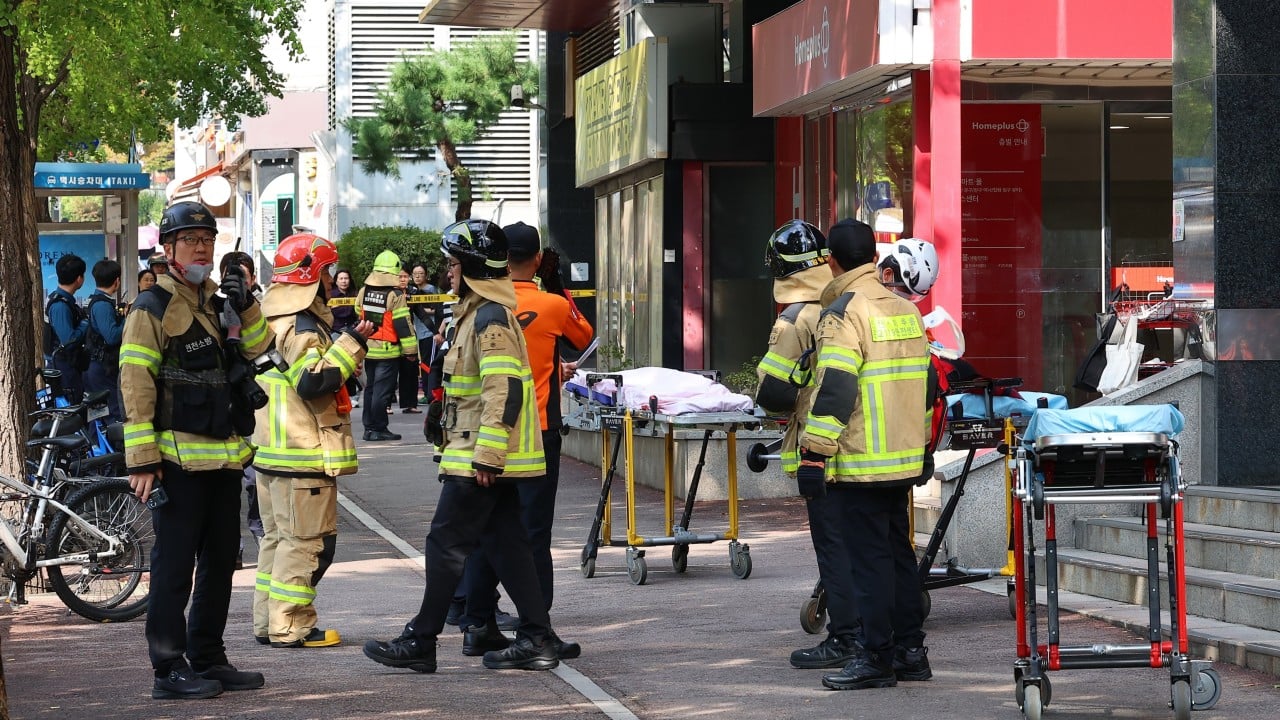
That basic mismatch sat right at the center of the October 13, 2026 stabbing spree at a commercial complex in Namdong District, Incheon. A man in his 50s under electronic monitoring injured eight people during lunch hour, including a woman in her 20s rushed to the hospital in cardiac arrest, before bystanders using chairs and shop owners stepped in to stop him. He was wearing the monitor. His coordinates were visible. Yet nothing in the tracking dashboard stopped a violent rampage inside a crowded building.
South Korea’s offender tracking system has long been treated as a high-tech shield against repeat violent crime. After the Incheon attack, that faith took a hard hit. Officials promised a thorough review of how monitored offenders are supervised, while lawmakers, criminologists, and ordinary citizens started arguing over an older, thornier question: what do you do when GPS surveillance isn't enough, and locking people away indefinitely crosses human rights lines?
The Illusion Of Real-Time Safety
On paper, monitoring looks airtight. Justice Ministry probation officers watch offenders’ movements through a central control system and follow up by phone when unusual activity pops up. If someone steps outside an approved zone or breaks curfew, the system flags it.
In real life, a dot on a screen is a blunt instrument.
The Incheon suspect had a prior conviction for attempted murder—having served a four-year prison term after a 2015 attack on his estranged wife—alongside past curfew violations while wearing a monitoring device, psychiatric treatment history, and a recent police investigation from October 6 after citizens reported him pulling a knife during a protest in front of a hospital in Gyeyang-gu. Even with that paper trail, probation officers reported seeing no clear warning signs right before the attack.
Think about how easy it is for a system like that to miss a crisis. A shopping mall isn't a restricted perimeter for most people. Walking into a food court at lunchtime doesn't trigger a geofence alert. Unless an offender enters a barred zone, tampers with the strap, or misses curfew, the map looks calm.
And that’s the trap. People hear "electronic monitoring" and picture constant protection. What they actually get is location logging paired with periodic check-ins. It can reconstruct a timeline after tragedy strikes. It can't read intent inside a person’s head.
Where South Korea Offender Tracking Leaves Blind Spots
When you look closely at how supervision works in practice, a few structural gaps keep showing up. None of them are secret to people working inside the justice and social safety nets, yet they rarely get fixed until a high-profile case forces the issue into headlines.
First, location data doesn't equal behavioral insight. A probation officer can see that a monitor is moving smoothly down a street. They can't see whether the wearer just stopped drinking medication, hit a heavy relapse with alcohol, or walked out of an apartment carrying a concealed weapon. In the Incheon case, reports noted a history of psychiatric treatment and testimony regarding alcoholism treatment during the recent police probe. When substance abuse or acute mental distress flares up, a GPS ping tells you almost nothing about immediate risk.
Second, violations pile up without stopping escalation. National figures covering January through July 2026 showed 599 recorded monitoring-condition violations—590 curfew breaches, five entries into prohibited areas, and four restraining-order violations. Fines and warnings happen, yet repeat offenders often remain in the community. When a rule breach feels routine rather than decisive, enforcement loses bite.
Third, agencies don't always connect the dots fast enough. Police investigations, hospital visits, psychiatric care, and probation supervision often run on separate tracks. Someone can be questioned by police over a knife scare one week and carry out a mass attack days later. If red flags sit in silos instead of triggering rapid, coordinated intervention, early warnings go cold.
The Preventive Detention Debate Won't Go Away
Whenever a monitored repeat offender commits a shocking attack, calls for stricter confinement surge right back. Some voices argue bluntly that public safety has to come first and that dangerous repeat offenders should be kept separated from society.
It's an understandable gut reaction when innocent bystanders are bleeding in a restaurant district. Nobody wants to hear about civil liberties while victims are in emergency care.
Still, there's a reason South Korea abolished its preventive detention system for habitual and high-risk offenders back in 2005 over human rights concerns. Locking people up based on predicted future crimes rather than a proven offense opens a dangerous door. Once the state starts holding people indefinitely on risk scores alone, defining who counts as "too dangerous" gets murky fast, and wrongful or disproportionate detention becomes a serious threat.
So the country is stuck in a genuine tension:
- Pure confinement protects the public from that specific person right now, but raises sharp constitutional and human rights objections.
- GPS monitoring alone respects liberty more than prison walls, yet leaves obvious blind spots when someone snaps in public.
Honestly, pretending technology can solve a human supervision problem is what got us here. A bracelet can't replace intensive casework, mandatory mental health and addiction follow-through, or fast information sharing between police and probation officers.
What People Commonly Misunderstand About Ankle Monitors
A lot of public frustration comes from expecting ankle monitors to do a job they weren't built to do.
- They aren't force fields. Wearing a device doesn't physically stop someone from picking up a knife or attacking strangers.
- They don't monitor mood or sobriety. A steady GPS signal can come from someone who is calm, someone who is panicking, or someone who is intoxicated.
- Compliance isn't the same as rehabilitation. Following a curfew for a stretch doesn't mean underlying violent impulses or untreated conditions have been resolved.
When headlines frame an attack as a "monitor failure," people sometimes blame the hardware when the real failure is lighter-touch supervision, slow cross-agency alerts, or thin support for high-risk individuals outside prison.
Practical Steps To Watch And Demand
If you're following this issue as a resident, policy watcher, or community member, don't stop at outrage over a single headline. Look at how actual reforms take shape after a crisis:
- Track the Justice Ministry review details. Watch whether promised upgrades focus only on software and alert thresholds, or actually add smaller caseloads, faster police-probation data links, and real clinical support for high-risk offenders.
- Pay attention to violation consequences. Check how courts and probation offices respond to repeat curfew breaches, weapon-related police reports, and protective-order violations before they escalate into major assaults.
- Push for mental health and addiction accountability. Ask how high-risk individuals with histories of psychiatric issues or substance abuse are monitored between appointments, not just where they walk.
- Separate real fixes from political slogans. Be skeptical of quick-fix promises that ignore human rights guardrails or pretend a single policy tweak will eliminate random violence.
Real public safety takes unglamorous, consistent work—better coordination, honest risk checks, and enough human oversight to catch trouble before someone gets hurt.