The air in Riyadh smells of dust and burning oil, a heavy blanket that settles over the skin long before the sun cracks the horizon. Thousands of miles away, in the lush, green riverbanks of rural Bangladesh, that same air feels like a distant ghost story—until the phone rings.
Distance does not dull a tragedy. It stretches it, turning a sudden flash of heat into a slow, agonizing echo.
Sixteen lives ended in a matter of minutes inside a Saudi furniture factory. Sixteen sons, brothers, fathers, and husbands who had packed their bags with dreams of financial security, boarding planes with the weight of entire households resting on their shoulders. They went looking for a livelihood. They found a trap.
The Journey Before the Flame
To understand the smoke, you must first understand the departure.
Imagine a young man standing in a crowded courtyard in Dhaka, holding a worn passport and a one-way ticket. Let us call him Rahim, though he could be any one of the thousands who make this pilgrimage every year. Rahim's village is beautiful, but beauty does not pay for medicine. Agriculture yields barely enough to survive the monsoon floods. The city offers no guarantees.
So, brokers enter the picture. Promises are whispered. Visas are arranged through debt—loans taken at exorbitant interest rates from local moneylenders, using the family's small plot of land as collateral. Rahim boards the plane with a heart full of hope and a ledger full of red ink.
When migrant workers arrive in the Gulf, the reality often diverges sharply from the brochure. Passports are routinely held. Wages are delayed. Housing conditions are cramped, stifling, and far removed from safety regulations. Yet, they endure. They endure because failure means returning home empty-handed, disgraced by debt, with nowhere to turn.
Anatomy of a Disaster
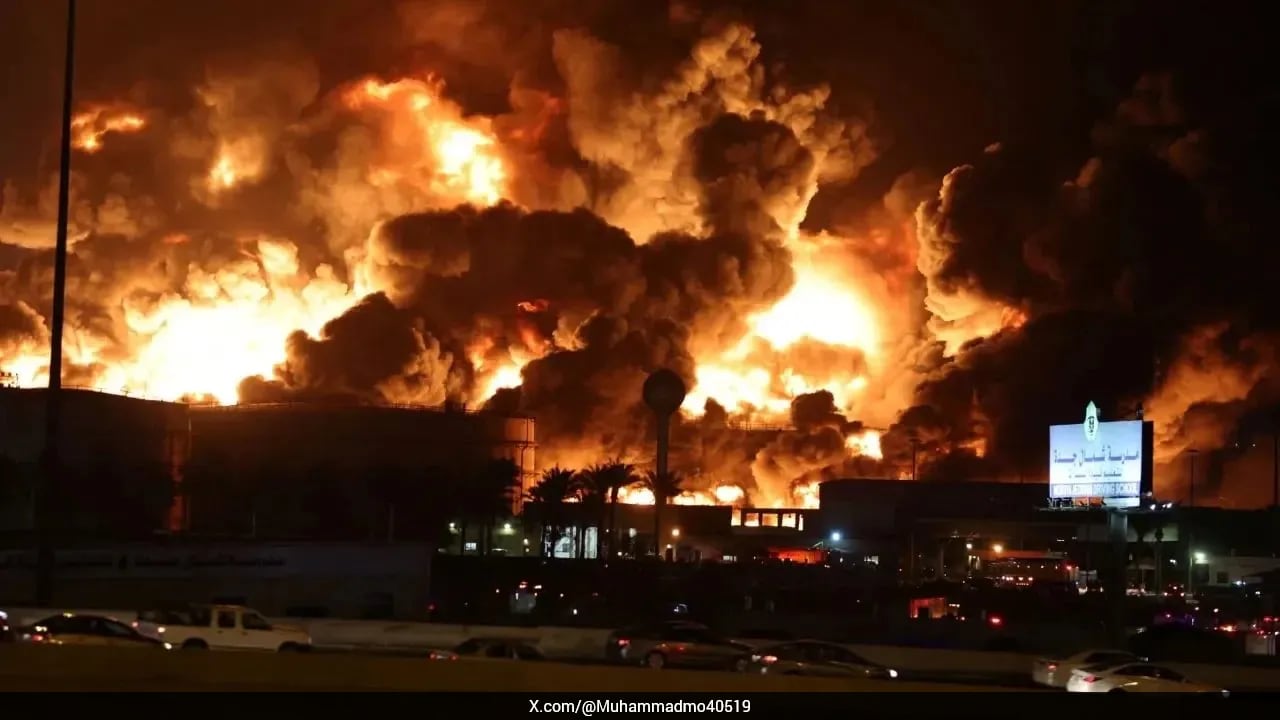
On that fateful day, the furniture factory was operating as it always did. Wood shavings, sawdust, highly flammable adhesives, and chemical finishes filled the workspace. These materials demand rigorous safety protocols: clear fire exits, modern sprinkler systems, flame retardant storage, and strict electrical maintenance.
In too many industrial pockets across the region, those safeguards are treated as luxuries rather than necessities.
When the first spark caught, it did not wait for safety inspections. It fed on the lacquer. It raced across the piles of timber. Dense, toxic smoke choked the narrow corridors instantly. Panic took over, but panic had nowhere to go.
Reports later revealed the grim truth that haunts families across international borders. Exit doors were locked or blocked to prevent unauthorized entry or theft. Windows were barred. The workers were trapped inside their workplace, turned into a maze without an exit. Sixteen Bangladeshi workers did not just die in a fire; they died inside a system that valued production speed over human breath.
The Ripple Effect in the Delta
Back in Bangladesh, the news arrives via a frantic voice crackling through a cheap smartphone.
The village stops. Women gather in the courtyard, their colorful sarees suddenly stark against the gray pall of grief. The breadwinner is gone. But the debt remains.
This is the invisible crisis of migration. When a worker perishes abroad, the economic engine of the family shatters, but the financial obligations multiply. Funeral repatriation costs thousands of dollars. The moneylenders do not pause their demands because of tragedy; if anything, they close in faster.
The loss is absolute. Governments trade diplomatic notes. Compensation packages are promised, debated, delayed, and sometimes forgotten in the endless paperwork of international bureaucracy. Meanwhile, children drop out of school to work local odd jobs, and mothers stare down the road, waiting for a son who is already buried beneath foreign soil.
Breaking the Cycle
Why does this keep happening?
The answer lies in accountability, or the lack thereof. Cheap furniture shipped across global markets often carries a hidden human subsidy paid in blood and ash. When consumer demand prioritizes bottom-dollar pricing without demanding ethical supply chains, factories cut corners. Regulatory bodies look the other way. Recruitment agencies charge exorbitant fees that trap workers in modern indentured servitude, making them powerless to report safety violations for fear of deportation or financial ruin.
Change requires more than candlelight vigils and temporary outrage. It demands strict enforcement of international labor standards. It requires local governments in origin countries to protect their citizens from predatory brokers before they ever board a plane. It requires destination countries to treat every migrant worker not as temporary disposable labor, but as a human being whose life carries infinite value.
Until then, the smoke will continue to drift across oceans, reminding us that every manufactured good has a maker, and every maker has a home they may never see again.
The sun sets over the river in rural Bangladesh. A mother steps out onto the porch, clutching a framed photograph, listening to the wind rustling through the palm trees, waiting for a phone call that will never come.
:max_bytes(150000):strip_icc()/ar-American-Cheese-taste-test-horizon-4x3-54cc339550cd44b9a818c17bdfd5428d.jpg)