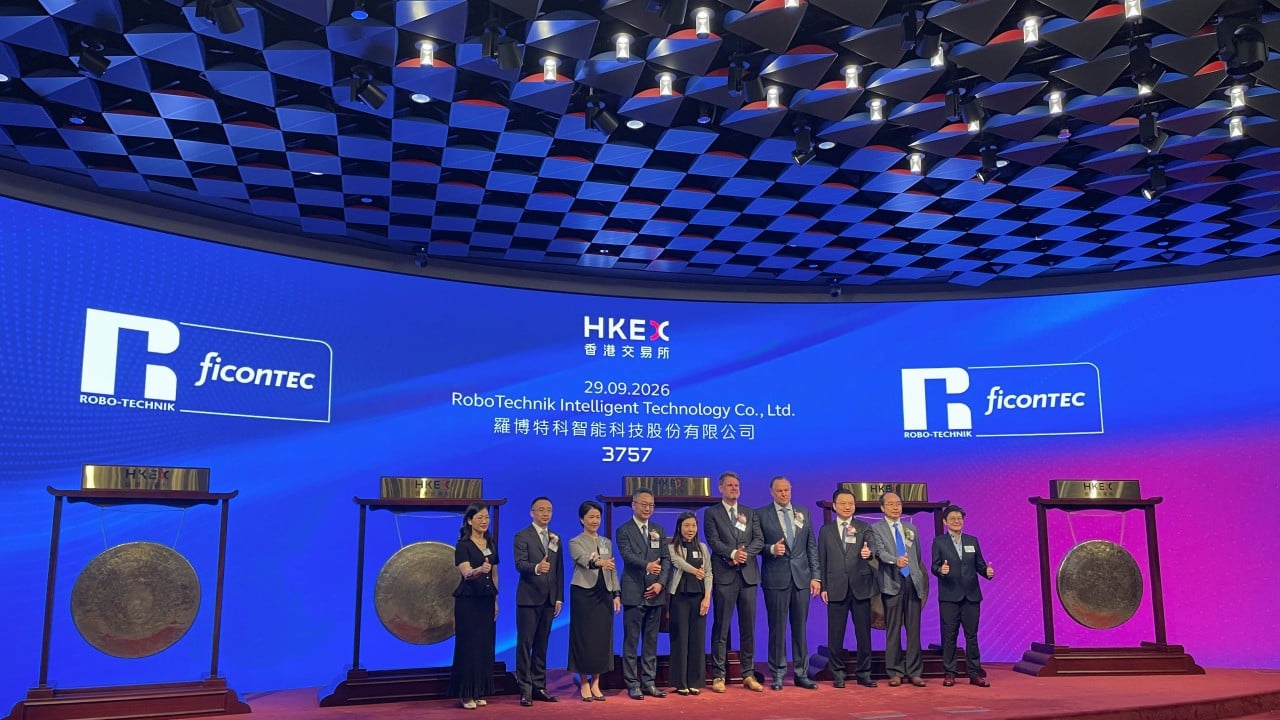
Every time a newly minted ticker drops five percent on its opening bell, the financial press starts digging the grave for Hong Kong as a global financial hub. The lazy consensus writes itself. Retail investors panic, legacy brokers whisper about structural decline, and pundits point to the opening session stumble as proof that the city lost its magic touch.
It is a completely inverted read of reality. In other updates, read about: Why the Twenty Three Billion Dollar LNG Canada Expansion is a Trillion Dollar Trap.
I have watched desks panic over a soft debut while missing the structural plumbing being rewritten right beneath their feet. A pop on day one is not a sign of health. It is a symptom of a broken pricing mechanism, a corrupted bookbuilding process, and retail speculation masqueraded as institutional demand. When a stock crawls or stumbles out of the gate, it means the syndicate actually did its job. It means the froth was scraped off, realistic valuations met cold liquidity, and the market stopped treating primary issuances like lottery tickets.
Let us dismantle the panic. The Economist has also covered this critical topic in great detail.
The Flawed Worship Of The Opening Pop
For decades, the Asian primary equity market suffered from an addiction to the opening day surge. Investment banks loved it because it masked structural underperformance with short-term dopamine. Issuers loved it because corporate ego loves a headline about a twenty percent double-digit jump. Retail syndicates loved it because day traders could flip shares to institutional bag-holders by noon.
It is a house of cards.
When an asset spikes out of nowhere on debut, two things are true. First, the offering was severely mispriced by underwriters who left millions of dollars on the table that rightfully belonged to the company balance sheet. Second, the secondary market liquidity is completely synthetic. Those buyers are not long-term fundamental holders building a position for a ten-year thesis. They are short-term momentum chasers waiting for the first sign of turbulence to dump their bags.
Hong Kongs recent batch of sluggish listings is a correction, not a catastrophe. The fact that these three names wobbled on debut tells me that institutional allocators are finally pushing back against artificial pricing pressure. They are refusing to subsidize the exit liquidity of early-stage venture capital funds through inflated public valuations.
When valuations compress to reality, capital allocation becomes rational again.
The Institutional Shift From Hype To Hard Fundamentals
Hedge funds and sovereign wealth allocators sitting in London, New York, and Singapore are not looking for a quick twenty percent opening day trade when they deploy nine figures into an Asian cross-border listing. They are looking for free cash flow yield, margin durability, and governance transparency that survives regulatory crosswinds.
The old playbook relied on retail FOMO to prop up listings that lacked operational grit. That playbook is dead. The regulatory scrutiny across mainland China and Hong Kong over the last few cycles cleaned house. It squeezed out the speculative retail froth that used to flood over-subscribed books with margin leverage.
Without that cheap leverage, primary issuances have to stand on their own economic legs. If a business cannot clear public market hurdles without a artificially juiced book, it has no business listing in the first place. Stumbling on debut is the market performing its primary function: price discovery.
I have seen management teams spend twelve months polishing an equity story, only to watch their stock tank because the underwriters priced it for a bull market that died six months prior. The ones that survive are the ones that take the hit on day one, reset expectations with long-only funds, and spend the next twelve quarters quietly outperforming their guidance.
Why Flat Is The New Bullish
Let us look at the mechanics of capital absorption. Hong Kong remains the primary bridge between international capital pools and the world's second-largest economy. That structural reality does not evaporate because three mid-cap offerings failed to give day traders a quick payout.
The capital is still there, but it is hibernating in dry powder, waiting for risk-adjusted yields that make sense. When valuations adjust downward on day one, secondary buyers step in with defensive parameters. They buy blocks at a discount to intrinsic value rather than chasing momentum at a premium.
This creates a floor. It builds a shareholder register populated by pension funds and long-term asset managers rather than anonymous retail accounts churning volume on margin accounts.
If you want a casino, go look at micro-cap crypto or speculative tech warrants. If you want a functioning capital market that can fund multi-billion-dollar infrastructure and biopharma pipelines, you need sober pricing. You need founders to face the sobering reality that the public markets do not care about your last private funding round valuation.
The Uncomfortable Truth About Syndicate Discipline
The real story behind these struggling debuts is not about Hong Kong's competitiveness. It is about syndicate discipline.
For years, bulge-bracket banks bloated IPO sizes to maximize fee income, forcing companies onto the board before they had the operational maturity to handle public reporting scrutiny. The result was a graveyard of post-lockup sell-offs that destroyed retail trust.
Now, underwriters are being forced to price issuances at levels where institutional investors actually demand a margin of safety. That margin of safety inherently limits the explosive opening day pop. If you price a deal right, the first-day movement should be boring. It should be flat. A slight stumble is simply the market finding the exact clearing price between stubborn sellers and pragmatic buyers.
Blaming the venue for a weak debut is like blaming the highway because your sports car cannot break the speed limit through a construction zone. The road is fine. The speed limit is there for a reason.
Stop mourning the death of the opening day circus. Celebrate the birth of actual price discovery. The next bull market in Asian equities will not be built on hype. It will be built on the bones of overpriced listings that finally learned how to price themselves right.