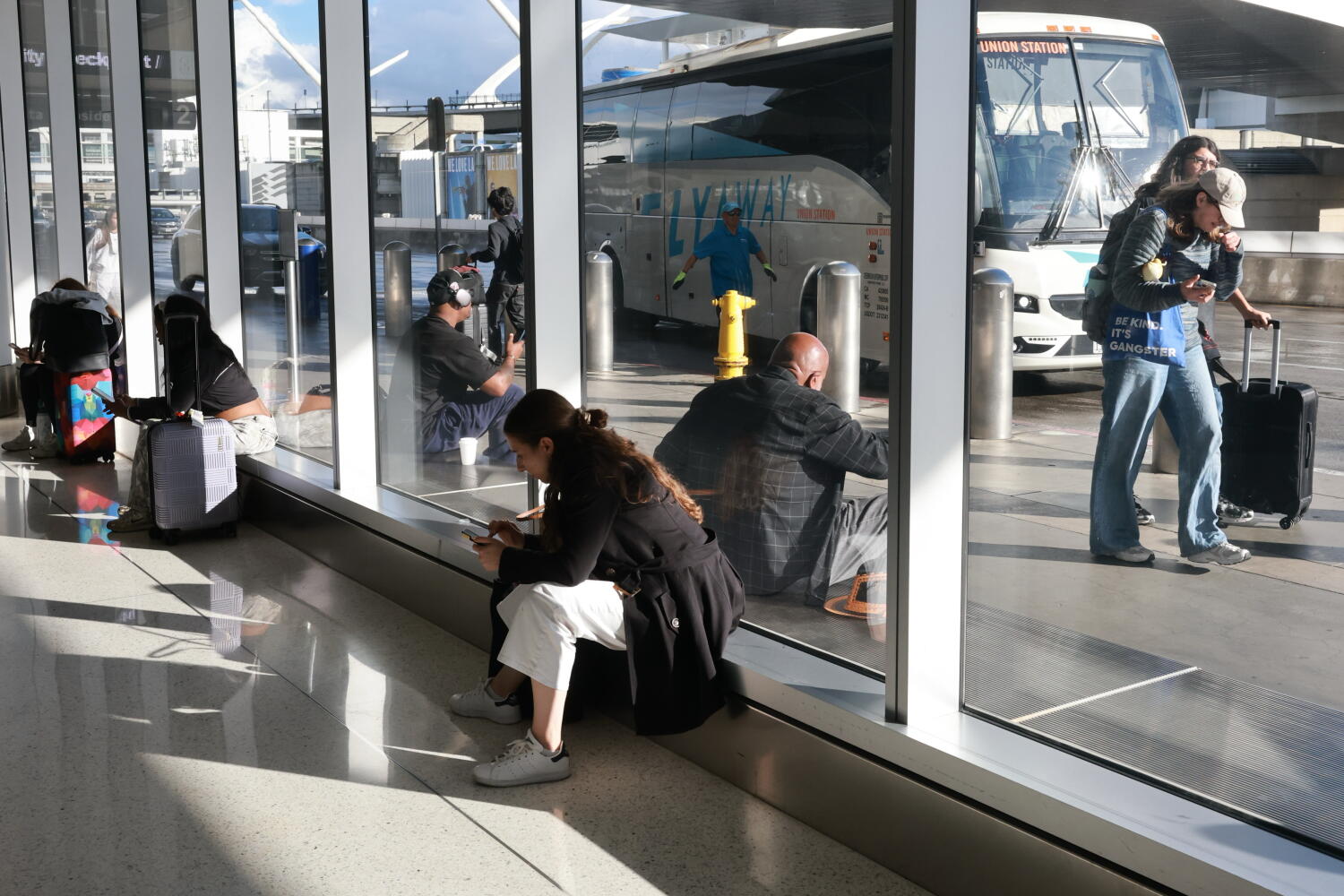
Silence in an international terminal is never actually quiet. It hums with the low, anxious vibration of rolling suitcase wheels, the rhythmic hiss of espresso machines working overtime, and the collective, unspoken dread of three hundred people staring at a departure board that refuses to change from yellow to green.
Stop.
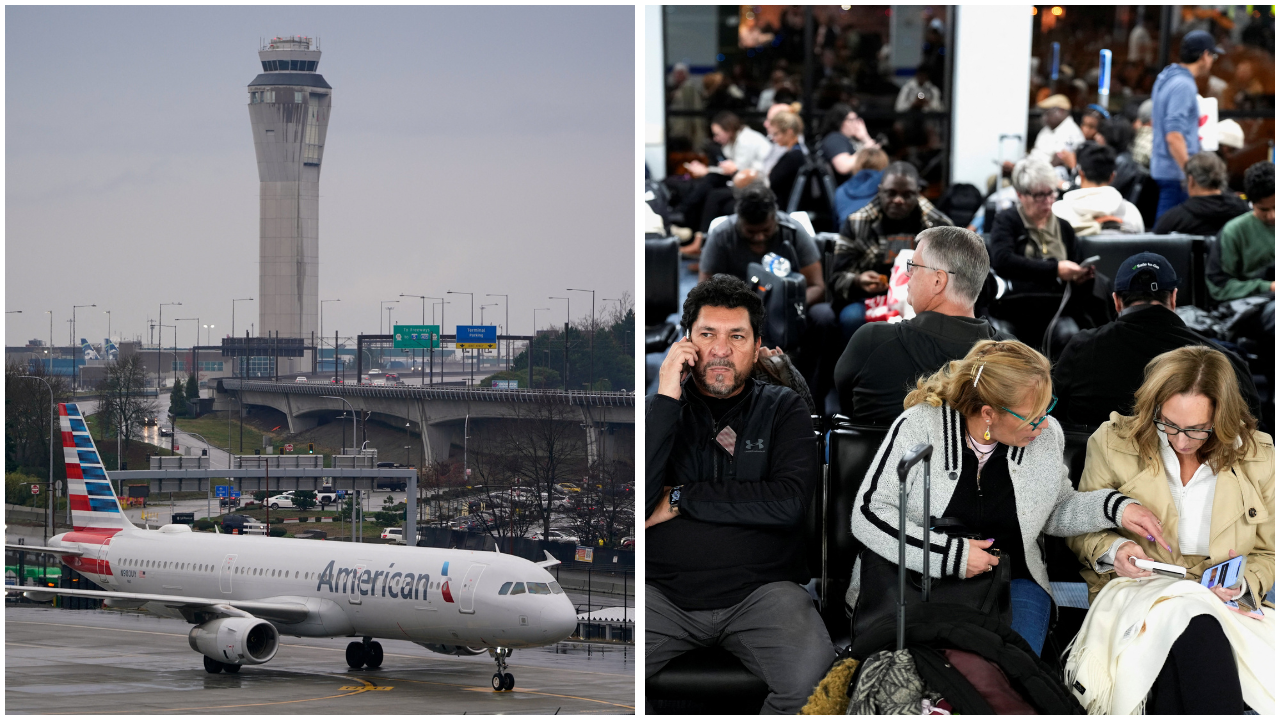
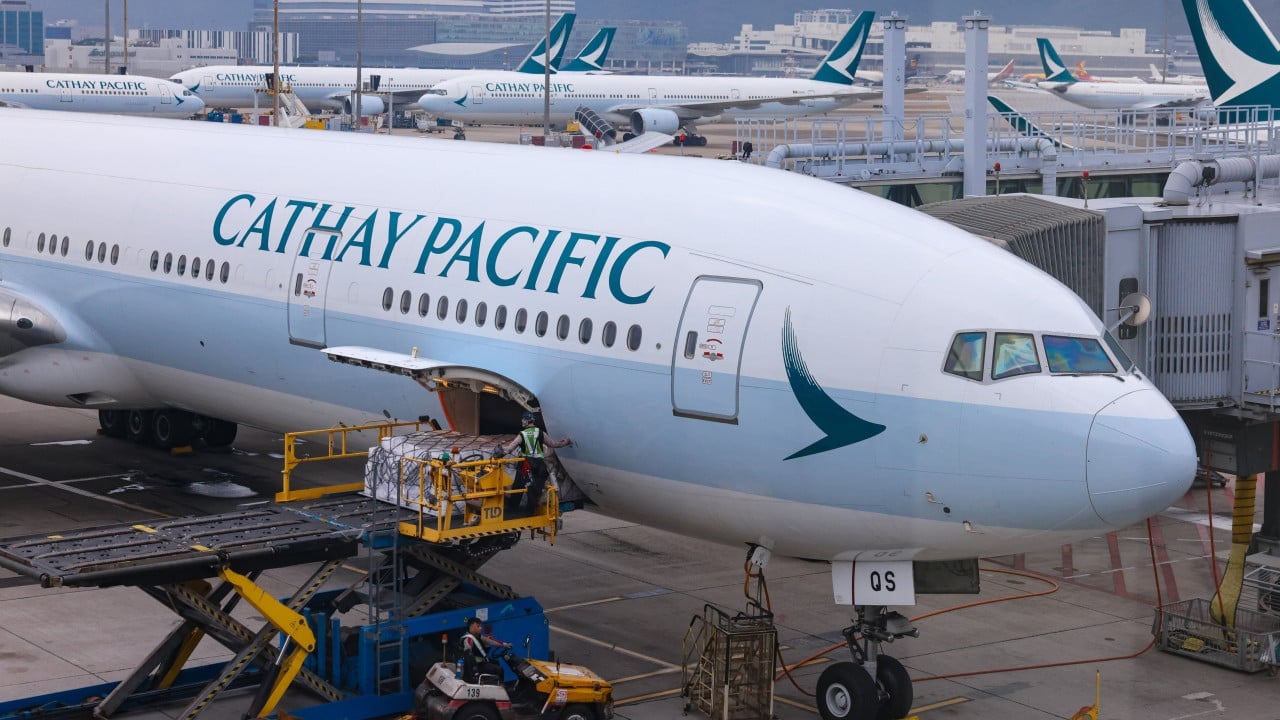
Look closely at the faces clustered around Gate B42 at San Francisco International Airport, or JFK, or LAX. A few hours ago, Cathay Pacific issued an operational advisory that most people scrolling through their morning news feeds skimmed past in half a second. The headline was sterile, clinical, and stripped of all human pulse: Cathay Pacific warns of delays after US ground stop hits Hong Kong-bound flights.
To an aviation analyst sitting in an air-conditioned office, a ground stop is a neat geometric box on a telemetry screen, a temporary bottleneck managed by Federal Aviation Administration air traffic controllers to balance airspace volume or respond to sudden weather and system disruptions. To the people holding boarding passes for a sixteen-hour transpacific crossing, however, that sterile regulatory phrase is the sound of a carefully constructed life plan snapping in half.
Consider a hypothetical passenger—let us call her Mei—who has spent eleven months saving for a ten-day trip home to Kowloon to see her aging father before his surgery. She did not book a direct flight out of convenience; she booked it because every single hour on the ground in Hong Kong was accounted for, down to the ferry crossing and the dim sum reservation with cousins she has not hugged since before the pandemic. When the FAA slaps a ground stop on outbound departures, Mei does not see air traffic flow management. She watches the departure time slip by twenty minutes, then forty-five, then two hours, realizing that a missed connection in Chek Lap Kok means losing an entire day of the only week she gets with her family all year.
The Illusion of the Straight Line
We have become spoiled by the miracle of modern long-haul aviation. We buy a digital ticket on our phones, tap a piece of glass at security, and expect a four-hundred-ton tube of aluminum and carbon fiber to lift off on the exact minute printed on our screens, slice through the stratospheric jet stream at five hundred miles an hour, and deposit us half a world away while we watch three movies and eat lukewarm pasta.
We forget that ultra-long-haul travel is not a subway ride. It is a high-wire act balanced on razor-thin margins.
Having spent more nights than I care to count curled up on the carpeted floors of international concourses between North America and East Asia, I know the specific smell of a delayed transpacific flight—stale coffee, recycled terminal air, and the sharp tang of stress sweat as passengers frantically refresh airline apps on dying batteries. You learn quickly that when a major carrier like Cathay Pacific warns of cascading delays across its United States gateways, the problem is rarely confined to a single runway or a passing squall.
Think of an international airline schedule not as a series of independent train tracks, but as an intricate, high-tension mechanical watch. Every gear relies on the precise rotation of the gear beside it. An Airbus A350 or a Boeing 777-300ER sitting on the tarmac in New York or Los Angeles is not just waiting to fly west; it is already scheduled to turn around in Hong Kong two hours after landing and fly onward to London, Sydney, or Singapore.
When a US ground stop freezes departures, the watch stops ticking.
Inside the Invisible Bottleneck
Most travelers assume a delay means the plane is broken or the weather outside the terminal window looks like a disaster movie. Often, the sky above the airport is blindingly blue. That is what makes a ground stop so maddening to the people trapped inside the terminal—the cognitive dissonance of watching sunshine bounce off the wing while the gate agent announces that nobody is going anywhere.
To understand why, you have to look at the invisible highways ten miles above our heads. Airspace is not an empty void; it is carved into strict, three-dimensional corridors managed by sector controllers who can safely monitor only a finite number of aircraft at one time. When severe weather rolls across a critical routing corridor, when radar or communications systems hiccup, or when coastal hubs experience sudden congestion, the FAA Air Traffic Control System Command Center pulls the emergency brake. They issue a ground stop, forbidding aircraft bound for specific routes or regions from taking off until the downstream traffic jam clears.
For a domestic flight from Chicago to Dallas, a ninety-minute ground stop is an annoyance. You miss lunch, you grab a pretzel, and you arrive late.
For a Hong Kong-bound flight operated by Cathay Pacific, ninety minutes can be fatal to the entire mission.
Here is the brutal math that airlines rarely explain at the podium. Ultra-long-haul flights operate under strict regulatory ceilings—not just for fuel reserves, which must account for headwinds over the North Pacific and remote diversion airports in Alaska or Japan, but for human biology. Cockpit and cabin crews are governed by rigid, non-negotiable flight-duty time limits. A pilot cannot simply push through an extra two hours of fatigue because air traffic control held the plane at the gate.
If a US ground stop pushes a departure past a critical threshold, the crew "times out." Suddenly, the airline does not just need a clear sky; it needs an entirely fresh team of four long-haul pilots and a dozen flight attendants who happen to be rested, legally qualified on that exact aircraft type, and standing by in a foreign city thousands of miles from their home base in Hong Kong.
I once watched a flight to Hong Kong sit twenty feet from the jet bridge for three hours while ground crews sorted out a cascading airway restriction. By the time the sky finally opened, the captain came on the intercom with a voice heavy with genuine exhaustion and regret. They had the fuel. They had the clearance. They had the weather. They just did not have twelve minutes of legal crew duty time left to make it across the ocean. The plane pulled back to the gate, and four hundred people walked off into the night, their itineraries reduced to confetti.
The Ripple Across the Pearl River
The true cost of these disruptions does not stay at the departure gate in America. It travels ahead of the plane, arriving at Hong Kong International Airport long before the wheels touch down on Lantau Island.
Hong Kong is one of the great transit engines of the global economy. A massive percentage of the passengers boarding Cathay Pacific flights in San Francisco, Los Angeles, New York, Boston, and Chicago are not ending their journey in Hong Kong. They are connecting onward to Bangkok, Manila, Taipei, Ho Chi Minh City, Jakarta, and mainland China.
Picture a business owner from Ohio—another hypothetical traveler, let us call him David—carrying prototype medical components in his carry-on bag for a factory inspection in Shenzhen. Or picture a graduate student flying back to Melbourne via Hong Kong after a semester abroad. When Cathay Pacific issues a warning about delays stemming from US ground stops, they are really firing a flare to tell thousands of connecting passengers that the bridge between the Pacific and the rest of Asia is wobbling.
When delayed North American flights finally limp into Hong Kong hours behind schedule, they arrive out of sync with the morning bank of regional departures. Gate assignments collide. Baggage handlers scramble to pull priority transfer bags from the bellies of widebody jets in minutes rather than hours. Customer service desks transform into triage centers where exhausted travelers plead for seats on onward flights that are already ninety-five percent full.
And beneath the passenger cabins, in the pressurized cargo holds, another quiet crisis unfolds. Cathay Pacific is one of the world's largest air cargo carriers. Those delayed flights carry temperature-sensitive pharmaceuticals, fresh seafood, semiconductor components, and time-critical commercial freight. Every hour a widebody sits idle on a US runway costs tens of thousands of dollars in burn rate, crew overtime, hotel vouchers, and disrupted supply chains.
Why It Feels Worse Now
If you feel like air travel has grown more fragile over the past few years, you are not imagining things. You are noticing the structural tightening of global aviation.
Airlines have spent the post-pandemic years rebuilding networks with leaner fleets, tighter turnaround windows, and historically high load factors. Planes are flying fuller than ever before. Ten years ago, if a ground stop wrecked your connection to Hong Kong, an airline agent could often rebook you on another flight departing three hours later because twenty seats were sitting empty in the back of the cabin.
Today, those twenty empty seats do not exist. When a flight is delayed or canceled, displaced passengers are absorbed into a system that is already running at near-maximum capacity. A single afternoon of ground stops on the US East Coast or West Coast can take an airline three full days to untangle.
At the same time, international routing itself has become more complex. Shifting geopolitical airspace restrictions over the past several years have forced carriers flying between North America and East Asia onto narrower, longer polar and North Pacific tracks. When every airline is funneled into fewer available sky highways, any bottleneck—whether triggered by coastal storms, air traffic staffing shortages, or technical ground stops—creates an immediate pileup. There is simply less room to maneuver around trouble.
Navigating the Storm Without Losing Your Mind
I used to believe that loyalty status or a thick wallet could insulate you from the chaos of international flight disruptions. It cannot. A ground stop does not care whether you are sitting in a lie-flat suite in first class or wedged into row 54 middle. When the FAA holds the line, everyone waits together.
What separates the travelers who make it home on time from the ones who spend three days sleeping on airport benches is not luck—it is preparation and speed.
When an airline like Cathay Pacific puts out an advance warning about potential delays, treat it as an early evacuation notice, not a minor footnote. Check your flight status before you even zip your suitcase, and look beyond your own flight number. Look at the incoming aircraft—the plane flying from Hong Kong to your US airport—using free flight-tracking tools. If that incoming jet is still sitting on the tarmac in Asia, your flight is already delayed, even if the departure board at your gate stubbornly claims you are on time.
If you have a tight connection in Hong Kong—anything under ninety minutes—do not wait until you land to negotiate a backup plan. The moment a US ground stop threatens your departure window, get on the phone with the airline's reservations desk while simultaneously standing in line at the airport service counter. Having two channels working at once doubles your odds of grabbing the last seat on an alternate routing before the rest of the cabin realizes the connection is doomed.
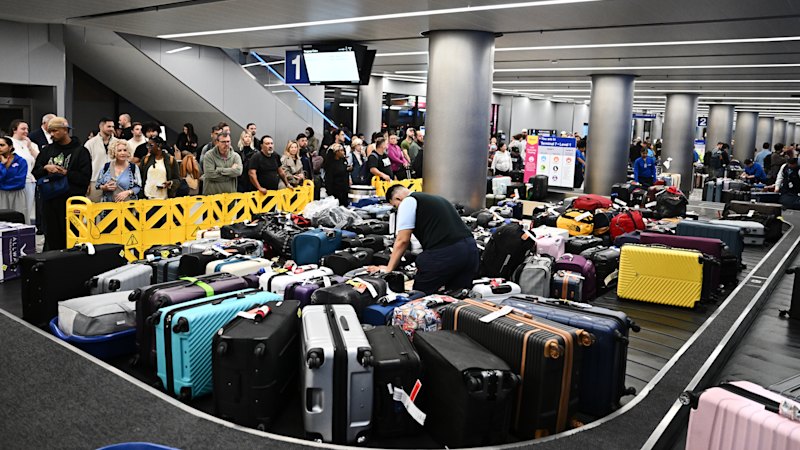
Pack your carry-on as though your checked bag will take an unscheduled vacation without you for seventy-two hours. Medication, chargers, a fresh shirt, and essential documents stay on your back, never in the cargo hold. When a delayed transpacific flight triggers a missed connection, the passengers who can sprint to a rebooked gate without waiting at baggage claim are the ones who get out that night.
The Human Pulse Beneath the Headline
Eventually, the ground stop lifts. The air traffic controllers clear the corridor, the pilots run through their final checklists, and the massive engines spool up with a deep, chest-rattling roar that vibrates through the floorboards of the cabin.
As the wheels finally leave the concrete and the coastline drops away beneath a layer of coastal fog, the tension inside the cabin softens into a collective exhale. People recline their seats, pull blankets up to their chins, and watch the little animated airplane on the seatback map begin its long, slow arc across the Bering Sea toward the coast of China.
On a news ticker, the story is already over—replaced by the next headline, the next delay, the next statistical blip in global transit.
Yet down in row 38, Mei is silently recalculating the hours left in her week, wondering if she can catch the last Airport Express train into Kowloon, hoping her father stays awake long enough to hear her knock on the apartment door. The sky is open again, the engines are humming, and three hundred separate lives are suspended in the dark above the Pacific, racing the clock toward home.