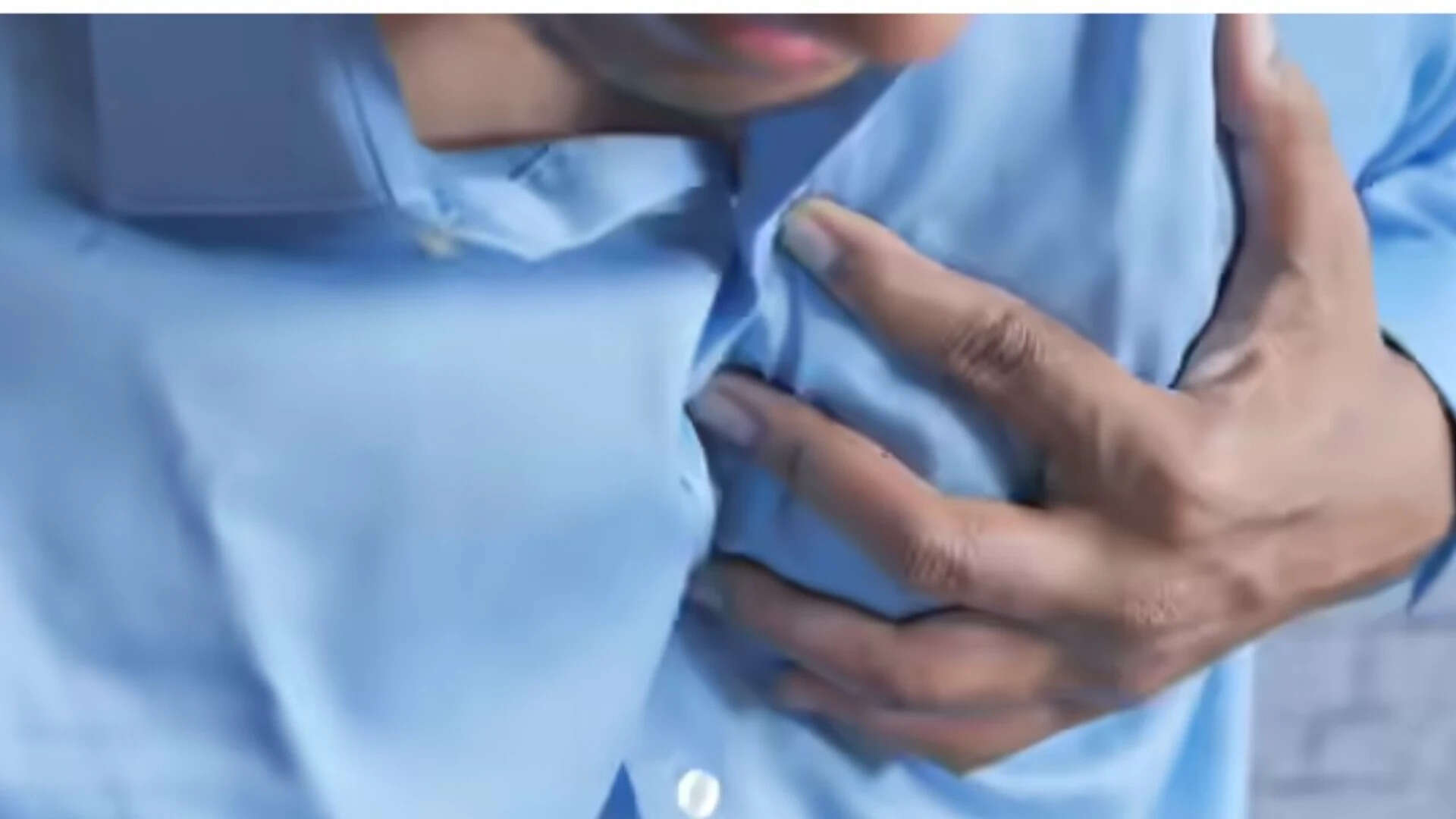
A standard evening match among friends ends in tragedy. A 38-year-old expatriate from Kerala complains of mild discomfort in his left arm, walks off the indoor badminton court in Dubai, and collapses minutes later. CPR is administered, an ambulance arrives, but it is too late. The cause of death is recorded as sudden cardiac arrest.
This scenario is playing out with alarming frequency across the United Arab Emirates and the wider Gulf region. While local media outlets routinely report these incidents as isolated, tragic anomalies, a deeper look into the data and sports physiology reveals a systemic public health crisis. The intersection of intense, explosive racket sports, extreme environmental transitions, and unrecognized underlying cardiovascular conditions is proving fatal for a specific demographic of migrant workers. It is not a series of freak accidents. It is a predictable medical phenomenon.
The Illusion of the Healthy Hobby
Badminton enjoys massive popularity among South Asian expatriates in the Gulf. It is accessible, social, and played indoors away from the blistering desert heat. Many participants view their weekly or daily games as a shield against the sedentary lifestyle dictated by corporate or desk-bound jobs.
They are mistaken about the nature of the exertion.
Badminton is not a moderate cardio exercise like jogging or cycling. It is an ultra-high-intensity interval sport characterized by explosive acceleration, rapid changes of direction, and sustained overhead smashing. During a competitive rally, an amateur player’s heart rate can spike from a resting state to over 85% of its maximum capacity within seconds.
For an individual with undetected plaque buildup in their coronary arteries, this sudden, violent surge in blood pressure and heart rate is catastrophic. The mechanical stress of the surging blood can tear a unstable cholesterol plaque off the arterial wall. This rupture triggers an immediate clotting cascade, completely blocking the artery and inducing a massive myocardial infarction or a fatal arrhythmia. The very activity chosen to promote health becomes the catalyst for sudden cardiac death.
The Deadly Mix of Climate and Dehydration
The micro-climate of indoor sports complexes in the Gulf creates a unique physiological trap. Outside, the ambient summer temperature frequently exceeds 40°C. Inside, facilities are air-conditioned, but the sheer volume of players in enclosed spaces often overwhelms these systems, leading to high humidity levels.
Players sweat profusely, yet the air conditioning can mask the true extent of their fluid loss.
- Hemoconcentration: As a player loses water through sweat without adequate fluid replacement, their blood volume drops. The blood becomes thicker and more viscous.
- Electrolyte Depletion: Critical minerals like potassium and magnesium are lost in sweat. These electrolytes regulate the electrical impulses of the heart.
- The Perfect Storm: Thickened blood forces the heart to pump harder against higher resistance, while an electrolyte imbalance leaves the cardiac muscle highly susceptible to chaotic, uncoordinated electrical short-circuits like ventricular fibrillation.
When an individual steps off a chilled office floor, commutes through intense outdoor heat, and immediately engages in high-velocity sports without a prolonged warmup or proper hydration strategy, they are pushing their vascular system to the absolute brink.
The Demographic Vulnerability
The South Asian expatriate population carries a disproportionately high genetic risk for premature coronary artery disease. Clinical studies have consistently shown that individuals from the Indian subcontinent tend to develop atherosclerosis up to a decade earlier than their Western counterparts.
The Phenotypic Trapping
This genetic predisposition is frequently compounded by atypical risk factors. A South Asian individual may appear lean or have a normal Body Mass Index (BMI), yet harbor significant visceral fat around internal organs and within arterial walls. This condition, often referred to as TOFI (Thin on the Outside, Fat on the Inside), breeds false confidence. A player looks fit on the court, feels energetic, and assumes their cardiovascular health is pristine.
The Warning Signs We Ignore
In the case of the Kerala expat in the UAE, the warning sign was explicit: arm pain.
Too often, individuals misinterpret cardiac symptoms as musculoskeletal strains from playing. The heart lacks traditional pain receptors; instead, it shares nerve pathways with the jaw, neck, back, and left arm. When the cardiac muscle is starved of oxygen during intense exercise, the brain registers the pain as coming from the arm or shoulder.
Ignoring a aching arm during a sports match and attempting to "play through the pain" or simply sitting down to rest without seeking immediate medical intervention is a fatal error. The window to reverse an acute cardiac event closes in minutes.
Re-engineering the Amateur Sports Infrastructure
Addressing this crisis requires moving past the superficial expression of condolences and implementing concrete structural changes within the amateur sports ecosystem. The current model of unmonitored, pay-to-play indoor courts operates with almost zero health safety oversight.
First, mandatory pre-participation screening must become standard for corporate leagues and regular club players over the age of 30. Expecting individuals to self-assess their risk is ineffective. A basic screening involving an electrocardiogram (ECG) and a blood pressure check can identify the vast majority of silent electrical abnormalities or severe hypertension before a player ever steps onto a court.
Second, the physical infrastructure of sports venues must be upgraded. Every commercial indoor sports facility in the region should be legally required to house an Automated External Defibrillator (AED) and have staff trained in its operation.
"An AED administered within the first three minutes of a cardiac arrest increases the survival rate by over 70 percent. Waiting for emergency services in heavy metropolitan traffic reduces that chance to single digits."
The habit of playing long, exhausting matches late at night after a stressful 10-hour workday must be re-evaluated. Chronic sleep deprivation combined with acute physical exhaustion creates a highly unstable state for the autonomic nervous system, significantly lowering the threshold for cardiac events.
The tragic loss of life on the badminton courts of the UAE is a stark reminder that exercise is a powerful physiological stressor. Without proper screening, conditioning, and environmental awareness, the pursuit of fitness can inadvertently become a pursuit of mortality.