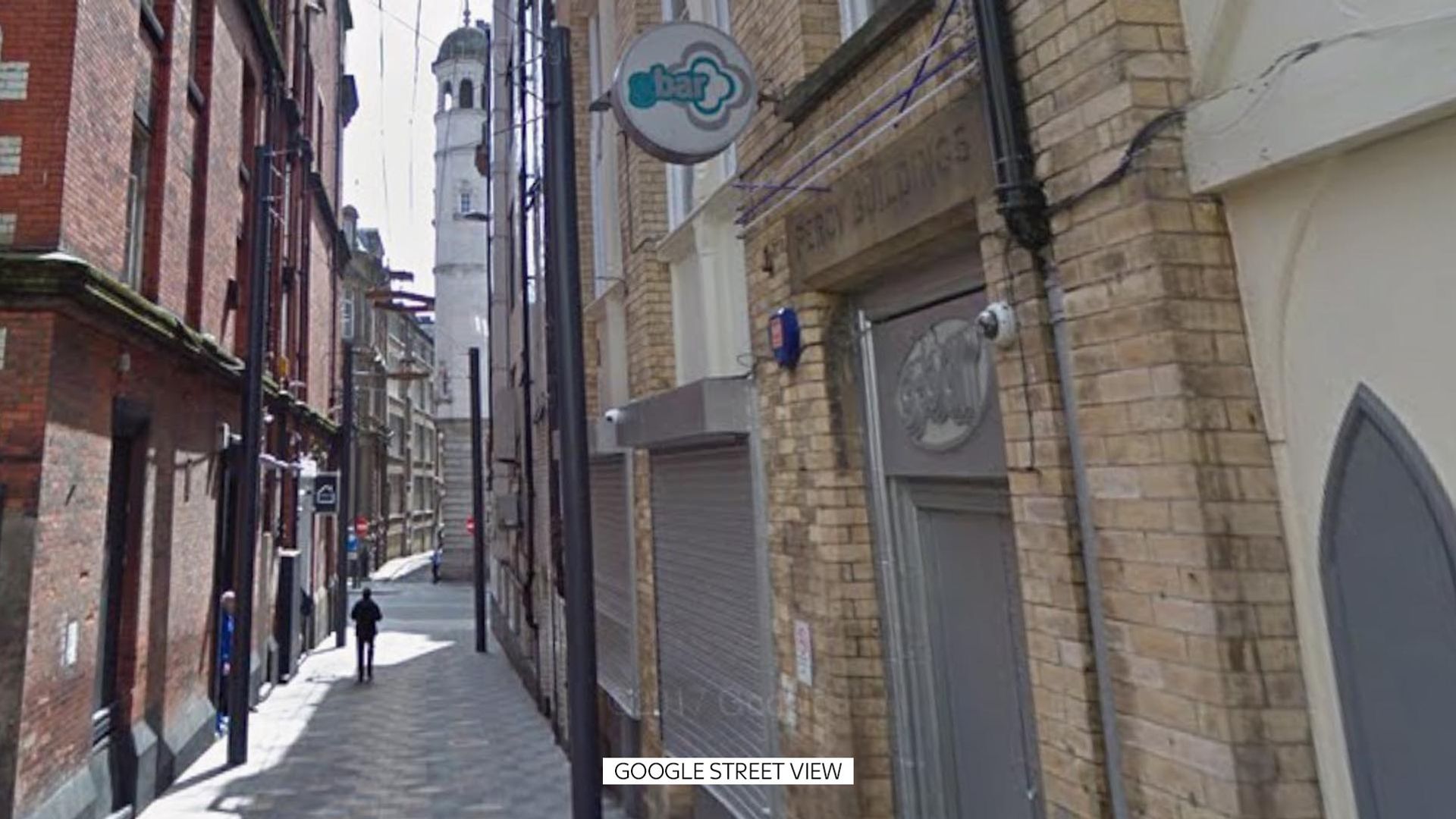
Three people walked out of an LGBTQ+ establishment into the midnight air and were met with steel and malice. By dawn, emergency responders had rushed the victims to local medical centers, police cordoned off the pavement with yellow tape, and the usual cycle of superficial outrage began to churn across municipal briefings and evening news broadcasts. The official police log will file this under assault or hate-motivated violence. But anyone who has spent decades covering public safety and urban counter-cultures knows that a stabbing outside a queer venue is never an isolated criminal anomaly. It is the predictable consequence of a sustained cultural climate that treats marginalized gathering places as legitimate targets.
Public safety in urban nightlife districts relies on a delicate ecosystem of visibility, municipal protection, and community solidarity. When that ecosystem fractures, violence rushes into the gaps.
The Anatomy of Vulnerability
We need to talk about the physical architecture of nightlife safety. For decades, venues catering to sexual and gender minorities have occupied a precarious spatial position. They are cultural beacons that must simultaneously remain visible enough to welcome patrons and isolated enough to protect them from harassment. That duality creates architectural nightmares for operators working on tight margins.
Too often, these establishments are located in fringe industrial zones or quiet commercial strips where street lighting is sparse and municipal foot patrols are infrequent. When patrons spill onto the sidewalk for fresh air or wait for rideshare vehicles, they step out of the semi-protected perimeter of the venue and into open territory. The physical layout makes them sitting ducks for individuals driven by ideological animus or opportunistic predation.
Security models inside these spaces have evolved significantly over the years. Trained door staff, bag checks, and internal surveillance are now standard operating procedure for most prominent venues. However, private security guards have zero legal authority over public sidewalks. The moment a patron steps two feet past the threshold, they leave the protective bubble paid for by the bar owners and enter municipal jurisdiction. City police departments have historically treated nightlife zones as administrative headaches rather than strategic security priorities, leaving a dangerous dead zone right at the front door.
The Rhetorical Pipeline
Violence does not materialize out of thin air. It is cultivated through language, political rhetoric, and the steady drumbeat of dehumanizing narratives broadcast from digital pulpits and legislative podiums.
When public figures spend legislative sessions framing entire demographics as a public menace, they provide moral permission to the unhinged. A knife does not pick itself up. It is lifted by someone who believes, consciously or otherwise, that the people inside that building do not belong in civil society. The attacker arrested in this latest incident did not act in a vacuum. They acted within a cultural ecosystem that has spent years telling the public that queer spaces are corrupting influences that deserve to be eradicated.
Journalists often fail by treating these assaults as localized policing failures rather than systemic political symptoms. When a venue is targeted, the attack is designed to send a message far beyond the individuals bleeding on the concrete. It is meant to terrorize an entire community back into the closet, forcing them to retreat from public life and surrender the hard-won right to gather openly.
The Economic Squeeze on Safe Havens
Running an independent hospitality venue is already an exercise in financial brinkmanship. Rising commercial rents, inflated insurance premiums, and the post-pandemic restructuring of urban nightlife have left most operators financially bruised. Now factor in the security overhead required to operate a target-rich environment.
Insurance companies frequently penalize venues located in nightlife districts with high crime statistics, driving up liability policies to unsustainable levels. Owners are forced to choose between cutting corners on professional security staff or pricing their clientele out of existence through inflated drink and cover charges. When safety becomes a luxury good, the most vulnerable patrons—youth, low-income workers, and marginalized individuals who rely on these spaces for basic mental health support—are priced out of sanctuaries.
Municipal governments must share the burden. If cities collect tax revenue from vibrant night economies, they have an obligation to fund adequate municipal policing, street lighting, and public transit security around designated cultural districts. Expecting small-business owners to independently fund counter-extremism and physical defense against ideologically motivated attackers is an abdication of state responsibility.
Beyond the News Cycle
Within forty-eight hours, the television cameras will pack up. The politicians will issue their standardized statements of solidarity, expressing deep concern before pivoting back to the fiscal budget or upcoming elections. The yellow tape will be washed away from the pavement.
For the three individuals recovering in hospital beds, however, the reality of that night will linger for years in physical scars, nerve damage, and psychological trauma. For the patrons who return to that same bar next weekend, looking over their shoulders every time the front door opens, the calculus of living openly in a hostile world has just become a little heavier.
We can no longer afford to treat these incidents as tragic flukes. They are structural attacks on the freedom of assembly, and until municipalities, law enforcement agencies, and the broader public treat the defense of queer spaces as a non-negotiable benchmark of a civilized society, the blood will keep pooling on the pavement.