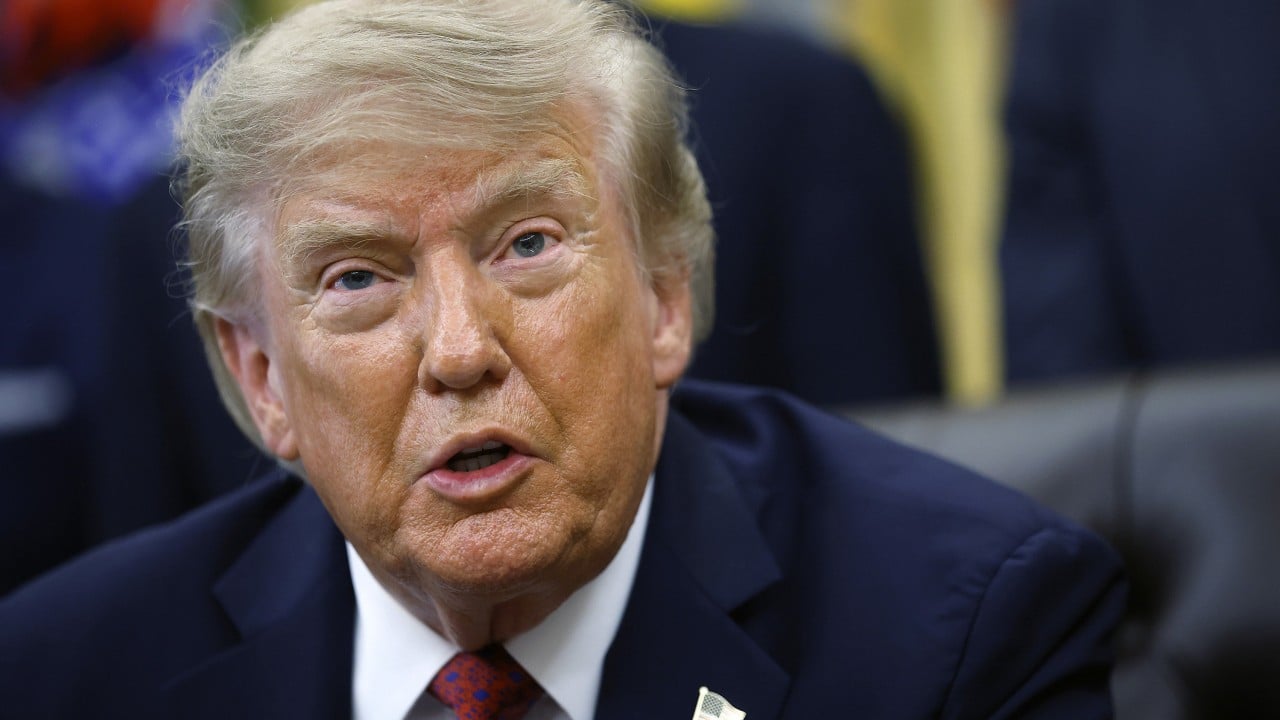
High-level diplomacy rarely unfolds the way press releases claim. When political leaders gather in front of rolling cameras, everyone expects immediate breakthroughs on the era's fiercest trade disputes. Yet during the recent high-stakes meeting between Xi Jinping and Donald Trump, advanced semiconductor export controls and artificial intelligence guardrails took an unexpected back seat.
If you tracked the pre-summit media narrative, this shift felt jarring. Wall Street and Washington policy analysts spent weeks arguing that cutting-edge chips would dominate the bargaining table. Instead, both administrations chose tactical pragmatism over ideological posturing. Understanding why these restrictions faded into the background requires looking past diplomatic theater and examining the shifting economic reality of the global technology supply chain. Expanding on this theme, you can also read: Stop Pretending Australia is Immune to the Data Center Backlash.
The Domestic Reality of Chip Self-Reliance
Beijing didn't push for sweeping rollbacks on semiconductor restrictions because it no longer views them as an absolute bottleneck. Years of aggressive sanctions forced domestic firms to adapt at an astonishing pace. Local alternatives emerged to fill the vacuum left by foreign hardware.
Market data from firms like TrendForce highlights this structural shift. Domestic suppliers like Huawei and Cambricon captured the lion's share of the domestic AI server market, leaving foreign giants with a shrinking slice of the pie. Experts at Mashable have provided expertise on this trend.
When a superpower realizes that external restrictions only accelerate its own indigenous manufacturing capabilities, the urgency to beg for policy reversals evaporates. Beijing approached the summit knowing that its long-term leverage rests on rare-earth minerals and critical material supply chains rather than begging Washington for hardware waivers.
Why Washington Chose Tactical Silence
On the American side, the decision to keep semiconductor curbs out of active negotiations stems from a mix of domestic political constraints and corporate lobbying. U.S. chipmakers take massive financial hits whenever export licenses stall or remain ambiguous. Corporations face billions in excess inventory and lost revenue when compliance rules shift overnight.
At the same time, the White House faces a deeply polarized Congress ready to pounce on any perceived weakness. Offering concrete concessions on advanced processors to a strategic competitor is a political third rail. By leaving existing restrictions largely untouched while offering narrow, selective licensing for specific commercial applications, the administration avoided a bruising domestic fight.
Both sides recognized a fundamental truth. Hardline export controls serve as useful political leverage, but resolving them requires technical negotiations that a high-profile political summit is uniquely unsuited to handle.
The Quiet Realignment in Global Tech
The absence of a major tech breakthrough at the summit does not mean the two nations are standing still. Instead, the rivalry has shifted from blunt regulatory bans to a more nuanced race for infrastructural dominance.
Beijing continues to forge independent multilateral alliances focused on raw material security and foundational AI standards, bypassing Western frameworks entirely. Meanwhile, Washington continues tightening rules around cloud-based computing access to ensure foreign actors cannot bypass hardware restrictions remotely.
Chip controls didn't disappear because the issue was solved. They were sidelined because both governments realized that a flashy summit communiqué cannot bridge a fundamental technological divergence. Trade will limp forward under a regime of selective friction, and the real competition will happen quietly in the labs, supply chains, and server farms of both nations.