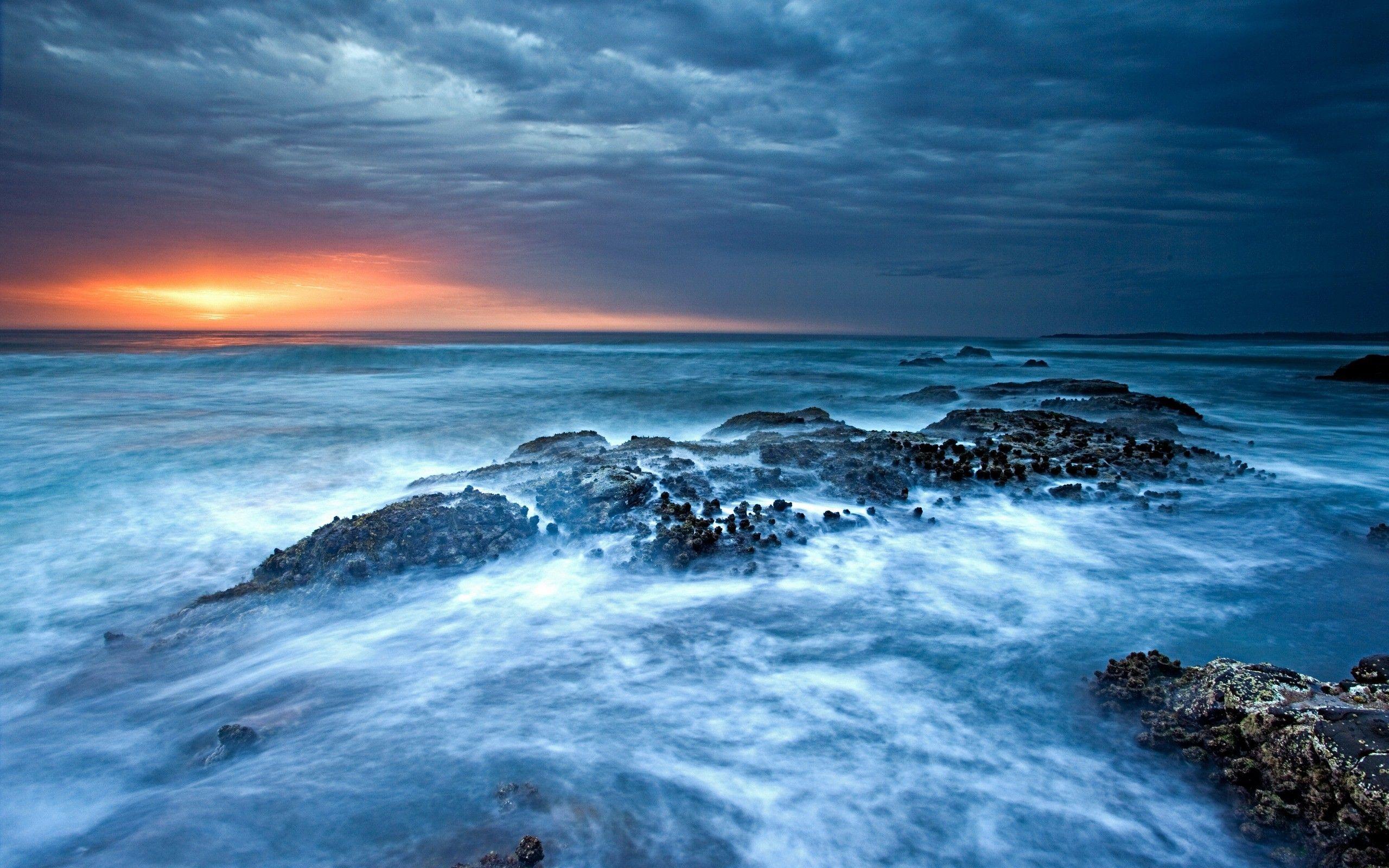
The Mediterranean does not look like a graveyard. From a distance, under the midday sun, it stretches out like a sheet of hammered blue tin, impossibly bright, flat, and indifferent. It smells of salt, roasting seaweed, and distant diesel. But those who live along the Tunisian coast know the water has a double life. One moment it is a highway for fishermen hauling nets heavy with silver sardines; the next, it is a silent devourer that leaves behind empty shoes on the beach and phones that ring eternally in empty kitchens.
At least thirteen human beings vanished beneath that blue last week.
Their boat did not make headlines across the globe. There were no dramatic helicopter rescues broadcast in high definition, no rolling ticker tapes on cable news. Just a short, cold dispatch confirming that a vessel carrying souls desperate for a different life had slipped beneath the surface off the coast of Tunisia. Thirteen names. Or perhaps numbers, depending on who is counting.
Silence followed.
Consider what happens inside a family home in Sfax or Zarzis when the phone call never comes. The wait is not a passive thing. It has weight. It presses against the chest. Every vibration of a mobile device sends a jolt through the room, a brief, agonizing flicker of hope before the screen goes dark again. Mothers stare at doorways. Siblings scroll through WhatsApp chats, looking at timestamps that stopped abruptly at two in the morning.
The statistics tell us that the central Mediterranean route remains the deadliest migration corridor on earth. Thousands have drowned or gone missing over the past decade, turning the stretch of water between North Africa and Europe into an abyss of unmapped grief. Yet, numbers fail us. A statistic is a shield against empathy. It lets us look away.
To understand the weight of these disappearances, you have to look closer at the departure points. The towns lining the Tunisian shore are not staging grounds for reckless adventures; they are pressure cookers. When inflation eats away at the price of bread, when youth unemployment hits walls of concrete, when the future feels like a locked room, the sea begins to look less like a barrier and more like an exit.
People do not risk their lives on unseaworthy iron tubs because they are romantic. They do so because the alternative—staying still—feels like a slow suffocation.
Imagine spending months hiding earnings, working odd jobs in construction or agriculture under the table, pooling every single dinar with cousins and neighbors just to buy a place on a welded hull. Imagine the midnight walk down a dark dune, carrying a single plastic bag of clothes, knowing that the engine coughing behind you in the surf is leaking oil and missing half its bolts.
They know the risks. Everyone knows someone who didn't make it. They talk about the crossings in hushed tones over small glasses of mint tea, trading rumors about coast guard patrols and the fickle moods of the wind. And yet, they go. Desperation is a powerful anesthetic. It numbs the fear of drowning by magnifying the certainty of despair at home.
When a boat founders, the investigation is brief. Authorities issue a statement. Search operations sweep a patch of ocean for forty-eight hours, find nothing save for a floating fuel canister or a waterlogged life jacket, and the files are pushed to the side of a crowded desk.
The ocean gives up what it wants. Sometimes it returns a body weeks later, bloated and unrecognizable, washing ashore near a tourist hotel where vacationers sip cocktails under white umbrellas. The juxtaposition is jarring, almost obscene—the brutal reality of global inequality crashing literally onto the sand where sunbathers lay their towels.
We have built a world that meticulously tracks shipping containers, airline baggage, and financial transactions down to the microsecond, yet human lives can simply wink out of existence in the middle of a heavily monitored sea and leave barely a ripple in the official record.
The thirteen missing Tunisians are not abstract policy failures. They are sons who promised to send money back for their mother's medicine. They are friends who laughed over shared cigarettes on street corners just days before stepping into the dark. They are the human cost of borders drawn like scars across a map, separating those who were born in places of safety from those born in places of waiting.
Out there, the water has closed over them completely.
Back on land, the tea grows cold in the glass. The wind shifts, rustling the olive trees along the coast, carrying the steady, rhythmic sound of the waves rolling onto the shore, indifferent to who they took, and who they left behind to wonder why.