Systemic failures in rural healthcare are costing lives. When Chelsea Bear went to the hospital in Meadow Lake, Saskatchewan, she was 36 weeks pregnant, experiencing severe pain and bleeding. Instead of receiving immediate intervention, she endured a long wait and was ultimately sent home. Days later, she suffered a catastrophic medical emergency. Her tragic death, along with the loss of one of her twin babies, has exposed profound cracks in northern and rural medical infrastructure.
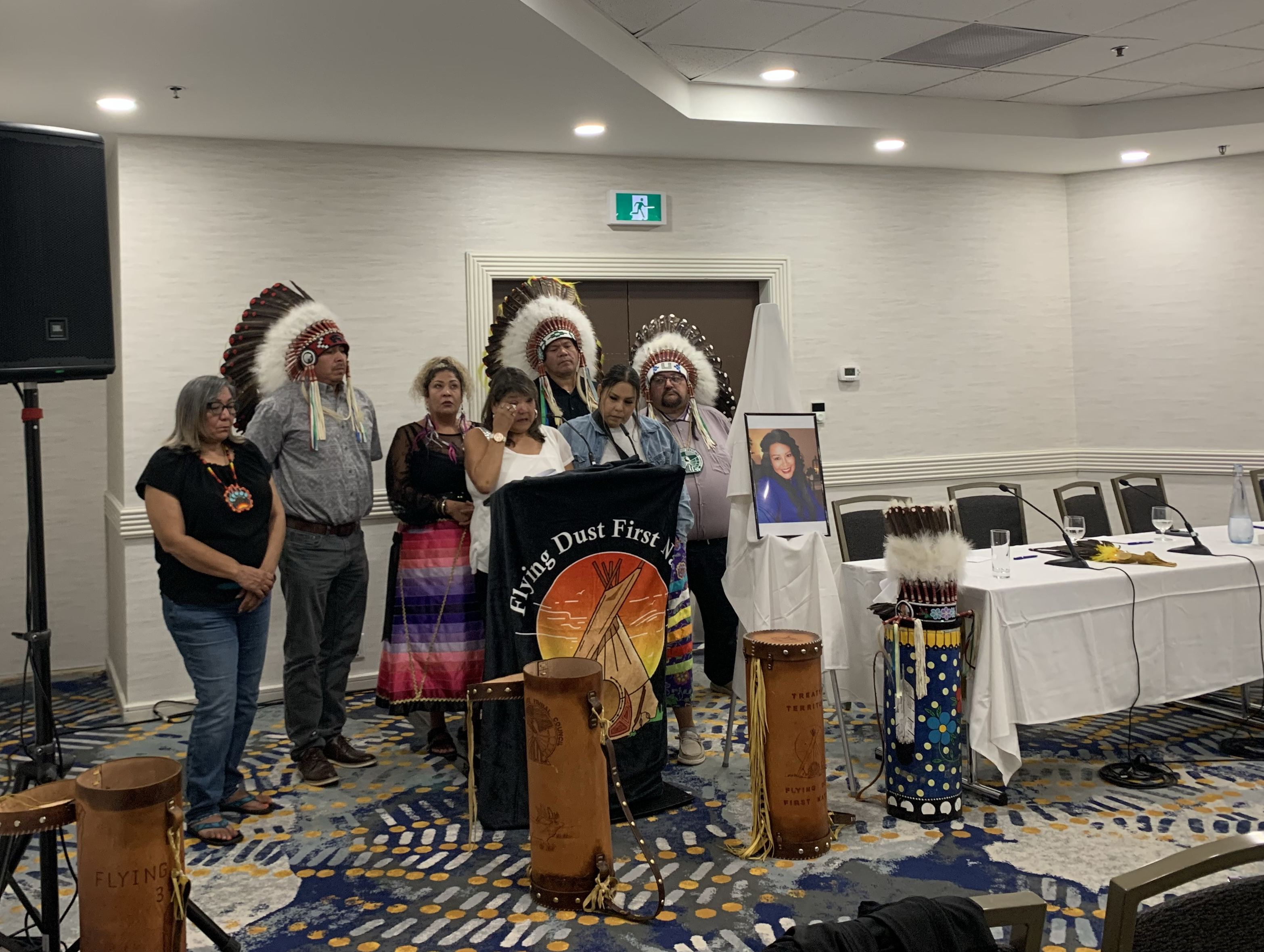
First Nations leaders and grieving families aren't accepting silence anymore. They are demanding total accountability and immediate systemic reform.
The Anatomy of a Preventable Tragedy
Chelsea Bear's story is heartbreakingly familiar to many living in northern communities. After waiting hours at the Meadow Lake Hospital, she was dismissed. The following day, her symptoms intensified dramatically. When she finally returned, emergency transfers could not undo the delay fast enough. She was rushed to Saskatoon, where one twin was delivered stillborn and Bear died from heavy blood loss shortly after delivery. Her second twin survived, remaining in intensive care.
Meadow Lake Tribal Council representatives pointed out a grim reality. If rural facilities were adequately staffed and equipped with resident obstetrical resources, mothers wouldn't have to travel hours across the province for basic emergency care. Chronic staff shortages create a defensive medical culture where overburdened workers rush patients out the door.
A Broader Crisis Across Northern Communities
This isn't an isolated incident. Earlier in the year, Jaali Weenie-Sutherland died in a Saskatoon hospital following severe pregnancy complications after facing extensive care delays. In La Loche, other mothers have reported feeling invisible and neglected by local medical staff during high-risk moments.
Families are speaking out because systemic racism and geographic isolation combine to create a lethal environment for Indigenous mothers. When rural clinics lack specialized physicians, emergency rooms rely on triage protocols that routinely fail rural patients. Distance becomes a death sentence when every minute counts.
Leadership from the Meadow Lake Tribal Council and the Federation of Sovereign Indigenous Nations have called for independent investigations. They want structural changes that guarantee equitable care, rather than temporary Band-Aids.
Moving Past Empty Promises
The Saskatchewan Health Authority has promised patient safety reviews. Yet, community leaders allege that administrative figures have previously urged discretion to protect regional staffing recruitment optics. Sweeping problems under the rug protects institutions while endangering patients.
Real reform requires direct investment in northern obstetrical units, transparent oversight, and cultural safety training that eliminates systemic bias. Families grieving preventable losses deserve absolute truth and tangible action. No mother should have to fight for basic survival in a Canadian hospital delivery room.