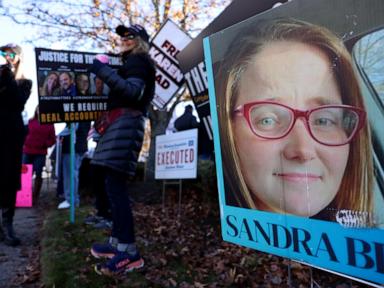
When Stoughton police found 23-year-old Sandra Birchmore dead in her Canton, Massachusetts apartment in February 2021, they closed the file fast. She was three months pregnant. The local police and the state medical examiner ruled it a suicide by hanging.
Case closed. Or so they thought.
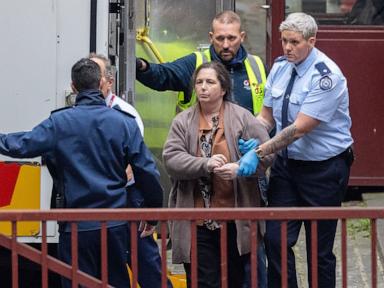
Three years later, federal prosecutors stepped in and completely blew that narrative apart. In August 2024, the FBI arrested former Stoughton police detective Matthew Farwell, charging him with federal witness tampering murder. Federal prosecutors allege Farwell groomed Birchmore starting when she was just 15 years old in a police explorer program, sexually exploited her for years, fathered her unborn child, and then strangled her to cover it all up.
This isn't just a tragic story about a corrupt cop. It's a terrifying look at how internal loyalty, lazy investigations, and systemic oversight failures allow predators in uniform to hide in plain sight.
The Exploitation of Sandra Birchmore
Sandra Birchmore wanted to belong. As a teenager, she joined the Stoughton Police Explorers, a public program designed to mentor youth interested in law enforcement careers. Instead of mentorship, she encountered a network of authority figures who took advantage of her vulnerability.
Federal court documents detail a horrifying pattern of groomers within the department. Farwell met Birchmore when he was a 27-year-old police officer and she was a minor. He used his position of trust to initiate an abusive, predatory relationship that lasted years.
He wasn't the only officer implicated in her grooming, but he became the central figure in her eventual death. When Birchmore learned she was pregnant in early 2021, she told Farwell the baby was his. That revelation turned a long-running crime into a ticking clock for a veteran police detective.
Federal prosecutors allege that Farwell went to Birchmore's apartment on February 1, 2021, choked her to death, and staged the scene to look like a suicide. He then walked out, relying on his colleagues in local law enforcement to accept the scene at face value.
They did.
Why Local Law Enforcement Failed
The initial investigation into Birchmore's death wasn't just flawed. It was completely broken.
Local investigators accepted the suicide narrative almost immediately. They ignored red flags that should have stopped any competent detective in their tracks:
- Physical evidence at the apartment didn't align with a self-inflicted hanging.
- Birchmore's communications right before her death didn't reflect someone planning to end her life.
- The clear conflict of interest involving local officers who had documented histories with the victim was brushed aside.
The Massachusetts State Police handled the primary death investigation, while the Norfolk County District Attorney's office oversaw it. Neither agency pressed charges. Neither agency pushed past the initial suicide finding.
It took independent forensic experts hired by Birchmore's family to raise alarms. Famed pathologist Dr. Michael Baden reviewed the autopsy data and concluded her death was a homicide caused by manual strangulation, not hanging. Yet, local authorities held their ground until the federal government intervened.
Why did local authorities miss what the FBI found?
Part of it stems from systemic bias. Law enforcement agencies routinely struggle to investigate their own. When a fellow officer's name floats around a case, institutional self-preservation often kicks in. Blunders get labeled as honest mistakes. Suspicious details get written off as coincidences.
The FBI Step In Where State Authorities Failed
When the U.S. Attorney's Office for the District of Massachusetts took over the case, the scope of the cover-up became undeniable.
Federal investigators didn't rely on local assumptions. They analyzed cell phone tower records, surveillance footage, digital messages, and advanced forensic evidence. The data placed Farwell at Birchmore's apartment right when she was killed.
The federal indictment charged Farwell under 18 U.S.C. 1512(a)(1)(C)—killing a witness to prevent communication to law enforcement regarding a federal crime. Because the crime carries the possibility of the death penalty or life imprisonment, federal jurisdiction allowed prosecutors to bypass the state-level stalemate.
This move by the Department of Justice highlights a painful truth. State and local oversight mechanisms frequently fail victims when law enforcement officers are the perpetrators. Without federal intervention, Farwell would likely still be walking free, and Birchmore's death would still be officially recorded as a suicide.
Systemic Failures in Youth Police Programs
The Birchmore case forces a hard conversation about youth programs run by law enforcement agencies.
Police Explorer programs operate across the country under the banner of civic engagement. But without strict, independent oversight, they create high-risk environments for grooming. Vulnerable teenagers are put in close contact with adult figures who hold immense social and legal power.
When an officer abuses that power, victims rarely feel they can report it. Who do you call when the person hurting you wears the badge?
To prevent another tragedy like Sandra Birchmore's, several structural changes must happen immediately:
- Independent Investigation Mandates: Any death involving an officer or an officer's immediate contacts must automatically transfer to an outside, non-local agency with zero ties to the department.
- Overhaul Youth Explorer Oversight: Police departments should not self-monitor youth programs. External civilian boards must conduct audits, background checks, and anonymous exit interviews for all participants.
- Mandatory External Autopsy Reviews: When a death occurs under suspicious circumstances involving law enforcement personnel, state medical examiners must mandate a second, independent forensic opinion before closing a file.
- Rethink Qualified Immunity and Duty to Report: Officers who suspect or know about grooming within their ranks and fail to report it must face criminal liability, not just internal discipline.
Sandra Birchmore deserved protection as a child, an answer as an adult, and justice in her death. Her story isn't just an isolated tragedy; it's a stark warning about what happens when police accountability is treated as optional.