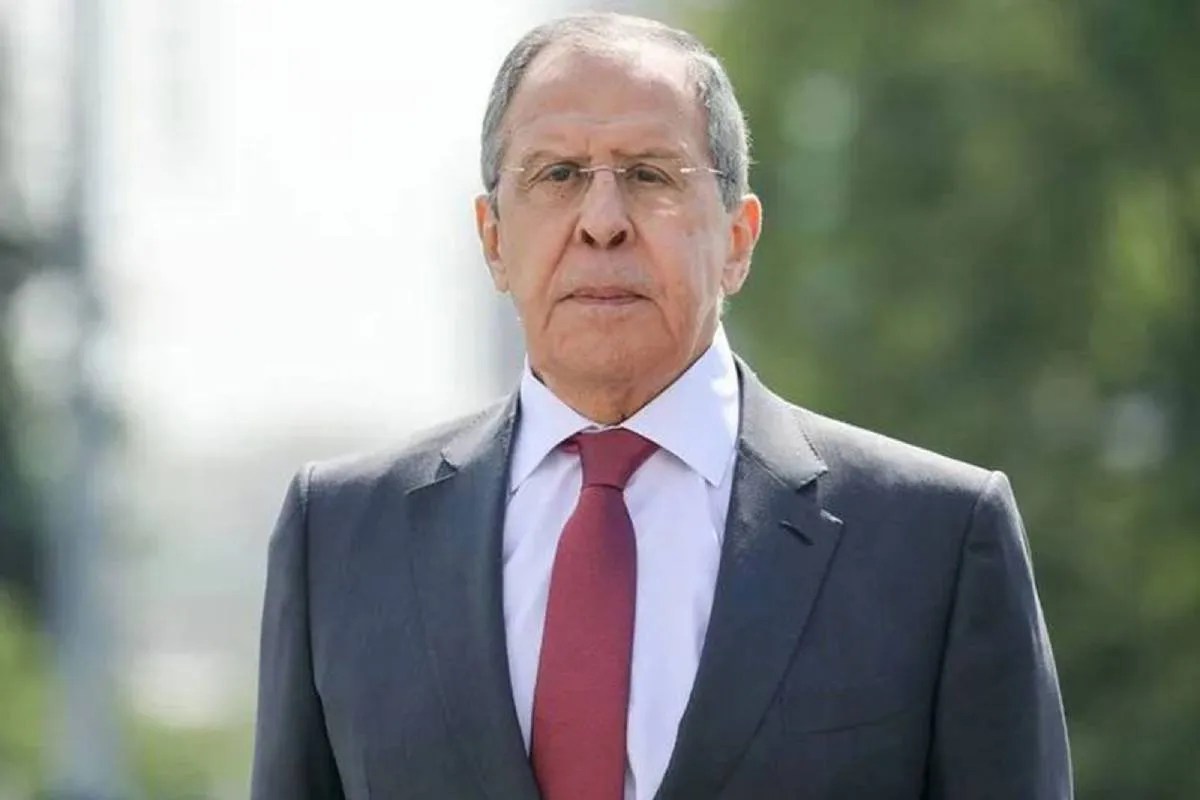
Russian Foreign Minister Sergey Lavrov just sent a clear message to Washington. He basically told the United States to back off when it comes to India. This isn't just another diplomatic chat. It's a loud, public defense of New Delhi's right to choose its own partners. If you've been following the tension between the West and Russia, you know India sits right in the middle. Lavrov's recent statements highlight a massive shift in how global powers are fighting for influence in South Asia.
Western countries keep trying to force India to pick a side. They want India to dump Russian oil and stop buying S-400 missile systems. Lavrov isn't having it. He called out the "brazen" attempts by the U.S. to dictate India's foreign policy. This isn't just about trade. It's about sovereignty. Russia is betting on the fact that India won't be bullied into becoming a junior partner in someone else's alliance.
Why Russia is Drawing a Line in the Sand
Russia needs India. That's the simple truth. Since the sanctions hit Moscow, India has become a vital economic lifeline. But it’s more than just selling oil at a discount. Russia sees India as a pillar of the "polycentric world" they keep talking about. When Lavrov warns America, he's protecting Russia's most stable long-term relationship. He knows that if the U.S. successfully pulls India into a strict anti-Russia orbit, Moscow loses its biggest democratic ally.
Washington uses the "Countering America's Adversaries Through Sanctions Act" or CAATSA like a sword over India's head. It’s a law designed to punish anyone buying Russian weapons. Lavrov pointed out the hypocrisy here. He argued that while the U.S. talks about a "free and open Indo-Pacific," they actually want an Indo-Pacific that follows American orders. India’s refusal to blink on the S-400 deal is a huge win for Moscow’s ego and its checkbook.
The S-400 Factor and Defense Sovereignty
Let's talk about the hardware. The S-400 Triumf isn't just a missile system. It's a political statement. For India, buying this tech from Russia instead of American Patriot missiles proves they aren't anyone's puppet. Russia has been India's top arms supplier for decades. We're talking about Sukhoi fighter jets, T-90 tanks, and Kilo-class submarines.
American officials often visit New Delhi with "better" offers, promising high-tech transfers if India ditches the Russians. Lavrov’s warning suggests that these offers come with too many strings attached. Russia, on the other hand, has historically shared technology that the West wouldn't dream of giving away. Think about the BrahMos cruise missile. That’s a joint venture. You don't see the U.S. co-developing hypersonic-capable missiles with India yet.
Energy Security is the Real Battlefield
Oil is the heartbeat of this dispute. After 2022, India ramped up its purchase of Russian crude significantly. It went from less than 2% of their imports to over 35% at certain peaks. This saved Indian taxpayers billions and kept inflation from exploding. The U.S. tried to implement a price cap. They tried to shame India on the global stage.
Lavrov’s latest rhetoric focuses on this economic pressure. He’s essentially saying that the U.S. is trying to sabotage India’s energy security just to hurt Russia. It’s a smart angle. It appeals to the Indian public’s sense of fairness. Why should an Indian driver pay more for petrol just because Washington has a feud with Moscow? Russia is positioning itself as the reliable friend who provides what's needed without the moralizing lectures.
Dealing with the China Elephant in the Room
It’s not all sunshine and roses. The biggest weakness in the Russia-India bond is China. India is locked in a tense border standoff with Beijing. Meanwhile, Russia and China are closer than ever. This is where the U.S. finds its leverage. They tell India, "Russia is now China's junior partner. Can you really trust them to back you if things get ugly in the Himalayas?"
Lavrov has to walk a very thin tightrope here. His warnings to America are also a signal to India that Moscow can balance these relationships. Russia wants to be the mediator, not the obstacle. By attacking U.S. "interference," Lavrov is trying to convince New Delhi that the American "protection" against China comes at the cost of India's independent voice.
The Failure of Pressure Tactics
History shows that the more you squeeze India, the more they dig their heels in. We saw it in 1971. We saw it after the nuclear tests in 1998. Washington’s current strategy of "warning" India about Russia seems to be backfiring. It’s creating a vacuum that Lavrov is happy to fill with pro-India rhetoric.
Western analysts often underestimate Indian strategic autonomy. They think India is "swinging" between blocs. In reality, India is building its own bloc. Russia understands this better than most. By publicly slamming U.S. pressure, Lavrov is validating India’s world view. He's saying, "We see you as a superpower, even if they see you as a follower."
What Happens if the U.S. Actually Sanctions India
If the U.S. actually triggered major sanctions against India over Russian deals, the Quad would collapse. The "Quadrilateral Security Dialogue" between the U.S., Japan, Australia, and India is the centerpiece of American strategy against China. You can't sanction your most important partner in the region and expect them to help you patrol the seas.
Russia knows this. Lavrov’s warning is basically a dare. He’s daring the U.S. to follow through on its threats, knowing that doing so would destroy American influence in Delhi for a generation. It’s a high-stakes game of geopolitical poker. India knows it has the winning hand because both sides need it too much to truly walk away.
Moving Forward in a Multi-Polar World
Don't expect India to stop talking to either side. They’ll keep buying Russian oil and they’ll keep doing naval exercises with the Americans. That’s the "India way." But Lavrov’s intervention is a reminder that the "neutral" ground is getting smaller. Russia is making it clear that they will defend the legitimacy of India's choices on the world stage.
If you’re watching this play out, look at the upcoming bilateral summits. Watch the payment mechanisms. India and Russia are working on ways to trade in Rupees and Rubles to bypass the Dollar entirely. That’s the ultimate nightmare for Washington. Every time a U.S. official warns India, it just gives Moscow more ammunition to push for "De-Dollarization."
Stay updated on the actual trade volumes rather than just the headlines. Follow the progress of the International North-South Transport Corridor (INSTC). This project links India to Russia through Iran. It’s the physical manifestation of the partnership Lavrov is defending. If that corridor becomes a major trade route, American "warnings" won't mean much because the goods will already be moving. Check the Ministry of External Affairs' latest briefs to see how they respond to these Russian "defenses." Usually, they stay quiet, which in the world of diplomacy, often means they agree with the sentiment even if they won't say it out loud.