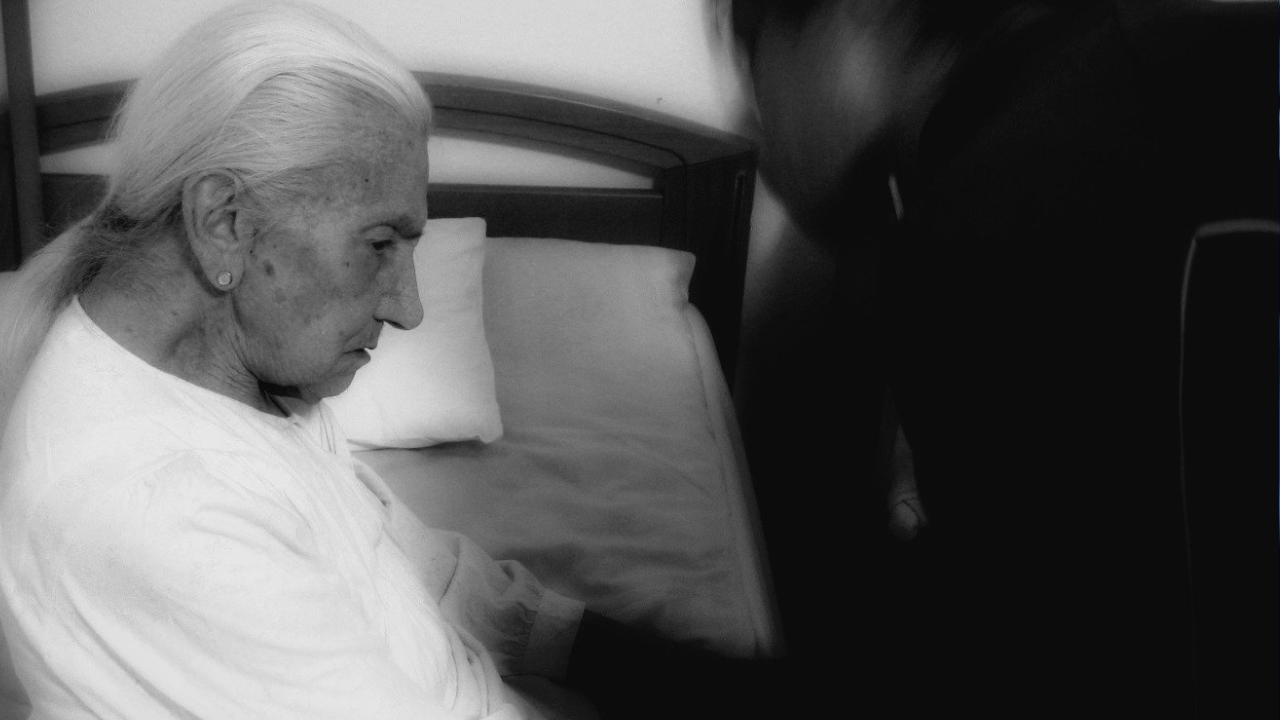
Imagine surviving a heart attack at 83, only to be told your follow-up appointment requires a four-hour drive.
That isn't a hypothetical nightmare. It happened to an elderly patient whose story recently made headlines—and honestly, it's just the tip of a massive, broken healthcare iceberg. When you live outside a major metro area, surviving a cardiac event is only half the battle. Getting the specialist care required to stay alive afterward often turns into an endurance test that frail seniors simply aren't built to pass.
Let's be clear about what's happening here. Rural healthcare infrastructure isn't just strained. In many regions, it's actively collapsing.
The Real Cost of Rural Hospital Closures
When a local hospital shuts down its cardiology unit or closes its doors entirely, the administrators talk about "consolidation" and "efficiency." Patients call it something else entirely. They call it four hours on the highway with a damaged heart, praying they don't hit traffic or bad weather.
According to data from the Cecil G. Sheps Center for Health Services Research at the University of North Carolina, nearly 200 rural hospitals have closed across the United States since 2005, and hundreds more remain at immediate risk of shutting down. The situation mirrors similar centralization trends in the UK's National Health Service and rural health networks across Canada and Australia. Health systems love centralizing specialized care into massive urban hubs because it looks great on a spreadsheet.
Spreadsheets don't get chest pains on the interstate.
When an 83-year-old heart attack survivor is forced onto a four-hour round trip—or worse, four hours each way—just to have a cardiologist check an echocardiogram or adjust blood thinners, the system has fundamentally failed its primary purpose. You can't claim to offer "world-class cardiac care" if patients have to risk another cardiac event just to reach the clinic doors.
Why Cardiology Gets Cut First
You might wonder why local clinics can't just handle post-heart-attack checkups. The answer comes down to cold economics and severe specialist shortages.
- Equipment overhead: Interventional cardiology requires catheterization labs, specialized imaging machines, and round-the-clock nursing staff that small community hospitals simply cannot afford to maintain on thin margins.
- The physician pipeline: The Association of American Medical Colleges (AAMC) has repeatedly warned of a looming shortage of specialists, and cardiology sits right near the top of that crisis. Young doctors graduating with massive medical school debt rarely choose rural practices where pay is lower and on-call hours are brutal.
- Insurance reimbursement gaps: Public programs like Medicare and Medicaid often reimburse rural facilities at rates that barely cover the cost of keeping the lights on, forcing independent hospitals to either merge with giant urban networks or shut down specialized wards.
Once the urban hospital network buys out the local clinic, the playbook is almost always the same. They shut down the expensive local specialty services and funnel every complex patient into their flagship downtown medical center.
What Happens to an 83-Year-Old Body on a Four-Hour Drive
Most healthy 30-year-olds hate a four-hour drive. Your back stiffens up. You get dehydrated. Your stress levels spike if someone cuts you off in traffic.
Now put an octogenarian who just suffered myocardial infarction into that exact same scenario.
First, there's the physical toll of prolonged sitting. After a heart attack, patients are already at an elevated risk for deep vein thrombosis (DVT) and blood clots. Sitting immobile in a car seat for hours restricts blood flow in the lower extremities, compounding that risk dramatically.
Then you have the medication side effects. Post-heart-attack regimens almost always include beta-blockers, ACE inhibitors, and diuretics. Diuretics do exactly what the name implies—they make you need a bathroom urgently and frequently. Try managing that on a rural stretch of highway with twenty miles between rest stops while dealing with post-hospital fatigue and dizziness.
And let's talk about cognitive load and stress. Even if the patient isn't the one behind the wheel, relying on an adult child who had to take an entire unpaid day off work—or worse, paying out-of-pocket for private medical transport—creates intense guilt and anxiety. Stress triggers cortisol and adrenaline surges. Adrenaline constricts blood vessels and raises blood pressure. It is literally the exact opposite of what a healing heart needs.
The Hidden Danger of Missed Follow-Ups
Because the travel burden is so absurd, a massive percentage of rural cardiac patients simply stop going.
Medical researchers call this "distance decay" in healthcare utilization. Studies published in journals like Circulation and JAMA Cardiology consistently show that the farther a patient lives from a specialized cardiac center, the less likely they are to attend follow-up appointments or complete cardiac rehabilitation programs.
Skipping cardiac rehab isn't a minor inconvenience. According to the American Heart Association, structured cardiac rehabilitation reduces the risk of death from heart disease by roughly 25% to 30% over the following years. Yet participation rates among rural seniors sit abysmally low—often below 20%—largely because nobody can drive two hours each way three times a week to walk on a monitored treadmill.
When an 83-year-old skips a follow-up because the drive is too exhausting, minor medication imbalances go unnoticed. Fluid retention creeps up quietly. Before anyone realizes something is wrong, that patient isn't driving to an outpatient clinic anymore—they're being airlifted to the ER in acute heart failure, costing the healthcare system ten times what a local clinic visit would have cost.
Why Telehealth Hasn't Fixed This Yet
Every time stories like this surface, someone in healthcare tech inevitably chimes in with the same lazy response: "Why didn't they just do a Zoom call?"
Honestly, if it were that simple, nobody would be driving four hours.
Telehealth exploded after 2020, and for basic prescription refills or mental health check-ins, it works great. Post-heart-attack care is a completely different beast. A cardiologist cannot listen to subtle fluid crackles in your lungs through a laptop microphone. They can't run a 12-lead ECG over FaceTime. They can't perform a transthoracic echocardiogram to measure your heart's ejection fraction while you sit in your living room.
Beyond the clinical limitations, rural telehealth hits two massive brick walls:
- Broadband dead zones: Millions of rural households still lack high-speed internet reliable enough to hold a stable video call without freezing or dropping.
- The tech barrier for seniors: Expecting an 83-year-old recovering from a major medical trauma to troubleshoot patient portals, download proprietary apps, and pair Bluetooth blood pressure cuffs without in-person help is completely unrealistic.
Hybrid models—where a patient visits a local nurse practitioner equipped with digital stethoscopes and portable ultrasound devices while a cardiologist consults remotely—work brilliantly when properly funded. The problem is that almost nobody is funding them at scale.
How Families Can Push Back Against Impossible Travel Demands
If you or an aging parent are caught in this exact trap—handed a discharge paper telling you to show up at a hospital hours away—do not just accept it as the only option. Hospital discharge planners are overworked and routinely default to booking appointments within their own health system's main hub without checking travel distances.
You have to advocate aggressively before leaving the hospital bed, or immediately after getting home.
Demand a Shared-Care Arrangement
Ask the cardiologist directly if they can coordinate a shared-care plan with a local primary care physician or an internal medicine clinic closer to home. In many cases, basic blood work, blood pressure checks, and routine ECGs can be performed at a local clinic just ten minutes away, with the results faxed or electronically transmitted to the specialist. You might still need to make the long drive once every six months for advanced imaging, rather than every three weeks for routine monitoring.
Tap Into Non-Emergency Medical Transportation (NEMT)
Never let an 83-year-old drive themselves long distances after a cardiac event, and don't assume family members have to absorb all the lost wages either.
- Medicare Advantage plans: Many Medicare Advantage policies include specific transportation benefits covering rides to and from medical appointments at zero cost. Call the number on the back of the insurance card and ask specifically for the NEMT coordinator.
- Medicaid benefits: If the patient has dual eligibility with Medicaid, state programs are federally required to provide non-emergency medical transportation, which can even include mileage reimbursement for family drivers or contracted wheelchair/ambulatory vans.
- Area Agencies on Aging (AAA): Local AAA offices across the country maintain volunteer driver networks specifically designed to get rural seniors to distant medical appointments. You usually need to book these rides at least a week in advance, so call the moment the appointment is scheduled.
Request Remote Patient Monitoring (RPM) Equipment
Before agreeing to frequent in-person visits, ask the cardiology team if they offer a Remote Patient Monitoring program covered by Medicare. Under current Medicare billing codes, clinics can issue cellular-enabled scales, blood pressure cuffs, and pulse oximeters that automatically transmit daily readings to the nursing team without requiring home Wi-Fi or a smartphone. If your weight spikes by three pounds overnight—a classic early warning sign of fluid retention—a nurse calls you to adjust your diuretic dose over the phone, saving you a brutal highway trip.
Push for Mobile or Visiting Specialist Clinics
Many large cardiology groups quietly send physicians out to rural outreach clinics once or twice a month, yet hospital scheduling call centers often fail to mention these satellite locations unless you specifically ask. When booking the follow-up, tell the scheduler: "We live four hours away. Which regional clinics do your doctors rotate through closer to our zip code?" Even shaving ninety minutes off the drive can make the difference between safely attending an appointment and ending up back in the ambulance.