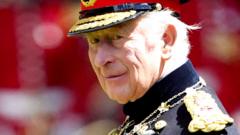
Buckingham Palace wants you to think the royal family financial transparency initiative has reached an all-time high. For the first time in modern British history, King Charles has published his personal tax bill, reporting that he paid £12.9 million in income and capital gains tax for the 2024-25 financial year. Prince William quickly followed suit, announcing a personal tax bill of £7.76 million. On paper, it looks like a massive win for public accountability. Critics have pushed for these details for decades, and the crown finally delivered them.
Don't buy the hype just yet.
When you scratch the surface, this sudden burst of openness looks a lot less like genuine accountability and much more like a clever public relations maneuver. The palace provided a few big, eye-catching numbers but entirely skipped the math behind them. We got the final bill. We didn't get the tax return, the total income figures, or a breakdown of their massive private investments. This lack of verification is why tax experts and campaigners are calling the move a sideshow rather than a meaningful step forward.
The Problem With Royal Financial Transparency
True royal financial transparency requires independent verification, not just self-declared figures. Right now, the public is expected to take the palace at its word. The numbers look impressive, placing King Charles among the top taxpayers in the UK, but we have no way of knowing how those figures were calculated. Tax lawyer Dan Neidle pointed out that without an explanation of how the numbers came about, the disclosure doesn't look like any normal tax return.
Consider how a regular citizen interacts with the tax system. Your income is reported, your deductions are itemized, and the tax authority verifies everything. The king operates under a completely unique set of rules. He isn't legally obligated to pay income tax at all. His payments are entirely voluntary, governed by a non-statutory Memorandum of Understanding with the Treasury. Because the boundary between personal assets and crown assets is notoriously blurry, a self-declared number means very little without context.
This opacity matters because public funding for the monarchy is skyrocketing. The Sovereign Grant, which covers official duties and royal residence maintenance, is set to surge to £137.9 million for the coming year. Palace officials claim this temporary spike is necessary to finish the massive £369 million, ten-year renovation of Buckingham Palace. The government plans to reset and lower the grant down to £99.9 million annually starting in April 2027. Even after that drop, the funding remains much higher than it was a decade ago. Anti-monarchy groups like Republic point out that if the original 2012 grant had simply risen with inflation, it would sit around £45 million today, not nearly £100 million.
The Hidden Income Streams You Aren't Allowed To See
To understand why the current disclosures fall short, you have to look at where the money actually comes from. The royal family relies on a complex web of public and private funding streams.
- The Sovereign Grant: This is the taxpayer-funded portion tied to the profits of the Crown Estate. While the Crown Estate hands its surplus to the Treasury, a percentage is handed back to the royals to fund their official travel, staff, and palace upkeep.
- The Duchy of Lancaster: This is the King's private estate, a sprawling 44,748-acre portfolio of farmland, commercial properties, and quarries. It generated £25.2 million in the 2025-26 financial year.
- The Duchy of Cornwall: This estate funds the heir to the throne. Prince William receives the net profits from this portfolio to cover his official and private life.
The issue isn't that these entities are secret. They are independently audited and publish annual reports. The real problem is the absolute privacy surrounding personal wealth outside of these estates. Private investments, inherited fortunes, and the exact valuation of personal properties like Sandringham and Balmoral remain completely hidden. We know the King paid £12.9 million in tax, but we don't know if that represents a fair share of his true total income or just a small fraction of a fortune the public isn't allowed to see.
Moving Toward Real Accountability
If the monarchy wants to reverse the steady decline in public support—which recently hit a record low of 55 percent in Ipsos polling—it needs to move past voluntary, selective disclosures. True transparency means treating royal wealth with the same scrutiny applied to public officials.
Start by pushing for an independent parliamentary committee to oversee all royal expenditures and funding mechanisms. Lawmakers have already begun pressing for clarity on things like which family members live rent-free in crown-owned properties. The next step is demanding a standardized, verifiable tax disclosure process.
Pay attention to upcoming legislative changes. The government intends to introduce a Sovereign Grant Bill designed to reset the funding formula and prevent inappropriately high payouts in the future. Watch how lawmakers handle this bill. True accountability won't come from a press release about a voluntary tax bill. It will come from structural reform and independent oversight that treats the crown's finances like the public business they actually are. Keep pressure on local representatives to support strict financial caps and full disclosure laws during the upcoming funding reviews.


