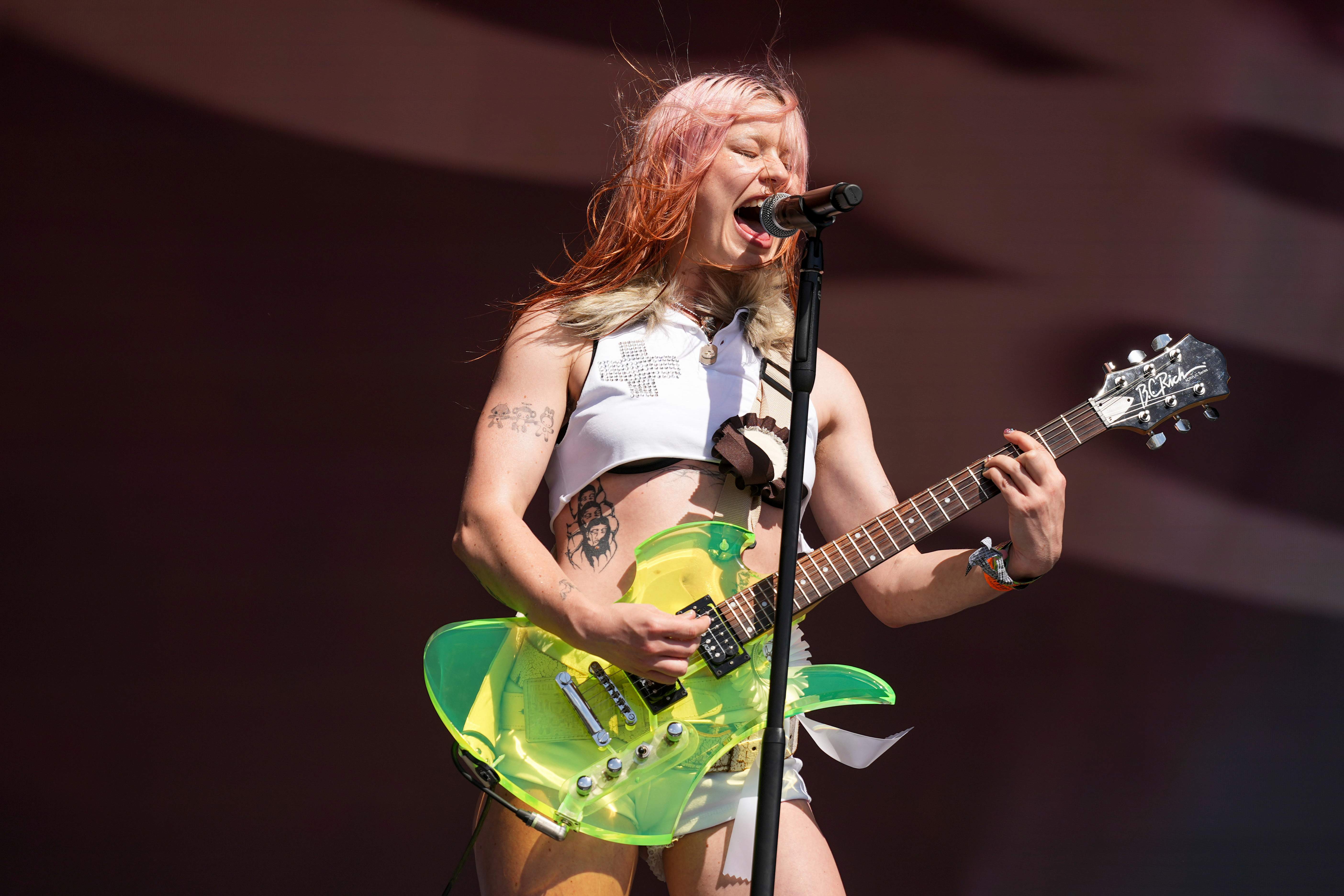
If you’re waiting for another Nirvana to explode out of a garage in Seattle and change the world overnight, you’re looking at the wrong map. People keep asking if rock music is coming back as if it’s a ghost waiting to be summoned. It isn’t coming back. It’s already here, but it looks and sounds different than the denim-clad tropes of the 1990s or the hair-metal excess of the 80s.
The data doesn’t lie. While pop and hip-hop still dominate the top of the Billboard Hot 100, the foundation underneath them is shifting. According to Luminate’s 2024 and 2025 mid-year reports, rock remains the second-largest genre in terms of total consumption in the United States. It isn't just Boomers listening to Led Zeppelin IV for the ten-thousandth time either. Gen Z is driving a massive spike in guitar-driven streams. If you want proof, look at the sold-out stadium tours. Look at the distortion pedals showing up in the hands of artists who were supposed to be "pop stars."
The Guitar is the New Secret Weapon for Pop Stars
We spent a decade hearing that the guitar was dead. Critics claimed the laptop won. They were wrong. What actually happened is that the guitar stopped being the center of a "lifestyle" and became a vital tool again. Look at Olivia Rodrigo. She isn’t just a pop singer; she’s a gateway drug to 90s alt-rock and pop-punk. When she plays "all-american bitch" or "brutal," she’s using the same sonic architecture as Veruca Salt or The Breeders.
Willow Smith and Machine Gun Kelly—love him or hate him—pushed distorted guitars back into the faces of millions of teenagers. This isn't just a trend. It’s a correction. For years, music felt too clean. It felt like it was made by robots for robots. People are tired of perfection. They want the grit. They want the feedback. They want the mistake that makes a song feel alive.
The rock resurgence is being fueled by a desperate need for something tactile. In a world dominated by AI-generated images and digital everything, a person hitting a wooden instrument with a stick or a pick feels like an act of rebellion. It's visceral.
Festivals Are Pivoting Back to the Mosh Pit
Look at the lineup shifts for major festivals. Coachella, which spent years leaning heavily into EDM and pop, has seen a massive return of guitar-heavy acts. When Turnstile played, the energy didn't just shift—it exploded. Hardcore and punk are no longer niche genres relegated to basement shows in Richmond or D.C. They’re the main event.
Then you have the "nostalgia" circuit, which is actually a misnomer. The When We Were Young festival in Las Vegas proved that there is a massive, hungry audience for rock music. But here is the kicker: it’s not just people in their 40s reliving their youth. Go to a Fall Out Boy or My Chemical Romance show today and you’ll see fifteen-year-olds who weren’t even born when The Black Parade dropped.
Why Gen Z Loves This Stuff
- Emotional Catharsis: Modern life is stressful. Screaming along to a chorus feels better than nodding to a beat.
- Physicality: Rock shows offer a physical experience that a DJ set can’t match.
- Authenticity: There’s a perceived "honesty" in live instrumentation that resonates with a generation obsessed with transparency.
The Indie Scene Is No Longer Quiet
For a while, "indie" meant folk-adjacent music with acoustic guitars and whispered vocals. That era is over. The new wave of indie is loud. Bands like Wet Leg, Fontaines D.C., and The Last Dinner Party are bringing back the "band" dynamic. They aren't just solo artists with a backing track. They are units.
Fontaines D.C. specifically shows how rock is evolving. They aren't trying to be The Rolling Stones. They’re blending post-punk with modern lyricism and a rhythmic urgency that feels like 2026, not 1976. They prove that you can use the tools of the past to build something that doesn't feel like a museum piece.
Streaming Algorithms and the Death of Gatekeeping
The old way rock worked was through radio and magazines. If the gatekeepers didn't like you, you didn't exist. Now, TikTok and Spotify algorithms are doing something strange. They’re surfacing "old" rock tracks to new listeners who don't care about genres. When a Deftones track goes viral, it doesn't just help Deftones. It creates a vacuum that new, heavier bands fill.
The genre lines are blurred. You have artists like Yeat or Playboi Carti who use the energy and aesthetics of heavy metal in a hip-hop context. This cross-pollination is how rock survives. It stops being a silo and starts being a flavor that everyone wants to taste.
The Gear Market Proves the Interest
If you think rock is dying, try buying a vintage Fender Stratocaster or a specific boutique overdrive pedal. Prices are at an all-time high. Fender reported record-breaking sales during the mid-2020s, and a huge chunk of those buyers were first-time players. People are buying instruments. They’re starting bands in their bedrooms. They’re learning how to make noise.
This isn't just about consumerism. It’s about the democratization of the "rock star" dream. You don't need a million-dollar studio anymore. You need a cheap interface, a guitar, and something to say.
Stop Waiting for a Savior
The biggest mistake people make is waiting for one band to "save" rock. Rock doesn't need saving. It needs you to pay attention. The resurgence isn't a single event. It’s a thousand small fires burning all at once. It’s the hardcore scene in Baltimore. It’s the psych-rock explosion in Australia with King Gizzard & The Lizard Wizard. It’s the Japanese metal scene taking over YouTube.
Rock is currently more diverse, more chaotic, and more accessible than it has ever been. It’s no longer just "four guys with long hair." It’s everyone.
How to Get Involved Right Now
- Get off the Top 50 charts: Use platforms like Bandcamp to find what’s actually happening in your local scene.
- Go to a local show: Skip the stadium once and go to a dive bar or a small club. That’s where the real energy is.
- Pick up an instrument: Don't just consume. Create. The barrier to entry has never been lower.
- Support physical media: Buy a vinyl or a cassette. It helps the artist way more than a thousand streams ever will.
The evidence isn't just mounting. It’s a landslide. The noise is coming back, and it’s louder than you remember. Don't worry about whether it’s "back." Just turn the volume up.



