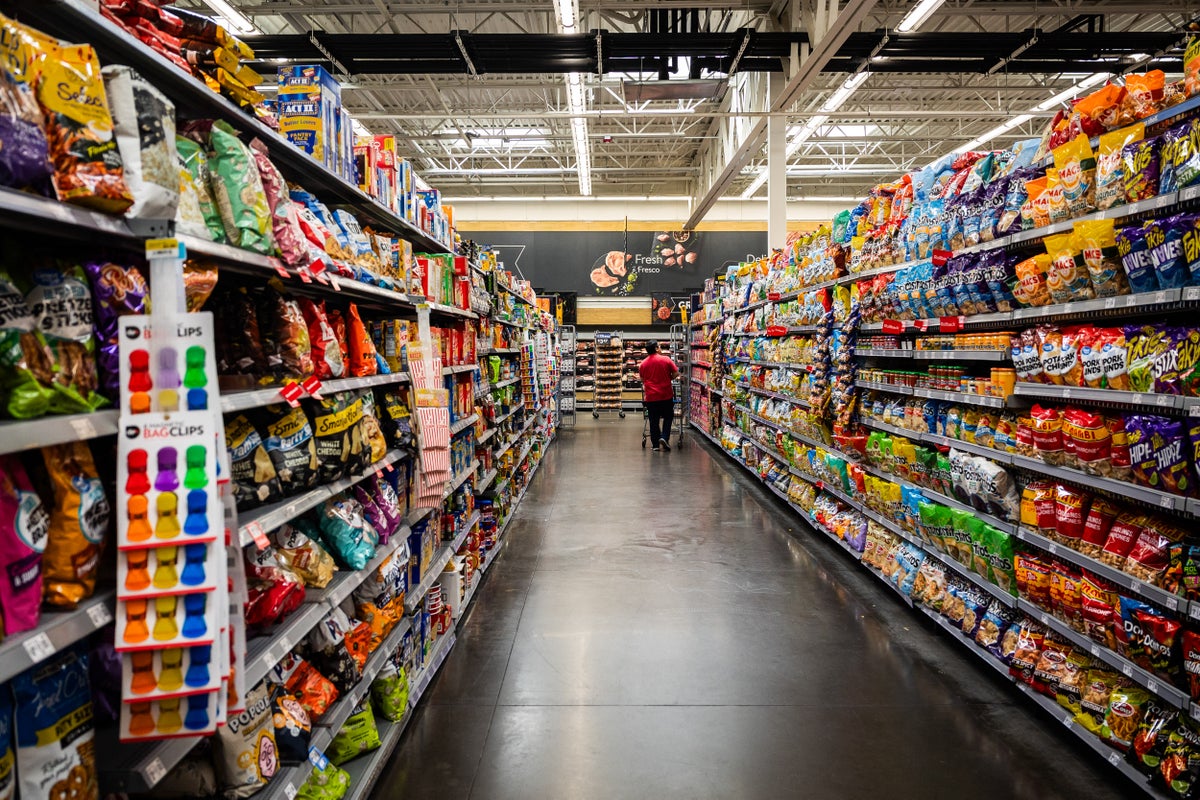
Walk down any major retail aisle lately and you might notice something strange. The shelves look cleaner. Spacing is wider. Options are gone.
If you are looking for that specific shade of blue laundry detergent or the quirky regional flavor of your favorite snack, good luck finding it. Retailers are slashing their product lines. They are not doing this by accident. Store shelves are shrinking because carrying too much inventory has become a financial liability.
For years, the retail playbook relied on endless variety. More choices meant more customers. If you gave shoppers ten different types of olive oil, they would find one to buy. But that infinite-choice model broke.
Supply chain shocks, soaring shipping rates, and punishing tariff structures turned variety into a profit killer. Storing goods that move slowly burns cash. Warehouses cost money. Moving empty air inside half-filled shipping containers costs money.
Retailers learned a hard lesson during recent economic turbulence. They got stuck with mountains of unwanted stock when consumer habits shifted overnight. Now, they are swinging the pendulum hard in the opposite direction.
The Real Cost of Choice
Too many brands think the goal of retail is keeping everyone happy. It is not. The goal is making money.
When you manage inventory, you pay for every single SKU sitting on a pallet. Slow-moving items quietly bleed profit margins. You tie up working capital in products that sit for months. Meanwhile, those items take up physical space that could house fast-selling goods.
Tariffs compound this headache. When import taxes hit raw materials or finished goods, the math changes instantly. A product that used to yield a healthy thirty percent margin suddenly becomes a break-even item or an outright loss.
Shipping costs add another layer of pain. Moving freight across oceans or highways is wildly expensive compared to pre-pandemic baselines. Shippers do not care if your product is a bestseller or a flop; they charge by the container or the pallet. If a niche product takes up space in a container, you are paying top dollar to ship dead weight.
Stores are waking up to this reality. They are auditing their inventory with a ruthless eye. If an item does not pull its weight immediately, it gets cut.
The Shift Toward Rationalization
Merchandisers call this process assortment rationalization. It sounds boring, but it changes everything about how you shop.
Instead of offering twelve variations of a toaster, a major home goods store might stock three. They pick the best seller at a low price point, a reliable mid-tier option, and a premium model. Everything else vanishes.
This strategy protects profit margins in a few specific ways.
- Reduced Warehousing Costs: Holding fewer unique items means smaller storage footprints and lower labor overhead.
- Higher Purchasing Power: Buying larger quantities of fewer items unlocks bulk discounts from manufacturers.
- Lower Markdowns: When you carry less experimental inventory, you run fewer clearance sales to get rid of duds.
Buyers no longer want to gamble on speculative items. They want safe bets. They want products that turn over quickly and require zero marketing push to move.
What This Means for Brands and Shoppers
If you run a product-based business, the landscape changed overnight. The era of getting your niche product onto every major retailer's shelf is effectively paused.
Big-box buyers are risk-averse right now. They want proven winners with built-in audiences. If you are a small brand trying to break in, you face a brick wall. Retailers are prioritizing established household names that guarantee foot traffic. They refuse to waste shelf space on unproven experiments.
Shoppers lose out on variety, too. The thrill of discovery in a retail aisle is fading. Stores look more uniform and predictable. You get efficiency, but you sacrifice serendipity.
How Smart Companies Adapt
Survival in this environment requires a completely different operational mindset. You cannot rely on broad retail distribution to rescue a mediocre product.
Direct-to-consumer channels became the proving ground. Brands build their own communities online first. They gather data, prove demand, and optimize margins before ever pitching a physical retail buyer.
When you walk into a store today and see sparse shelves, remember it is intentional. Retailers decided that keeping every option available is a luxury they can no longer afford. Efficiency won. Variety lost.