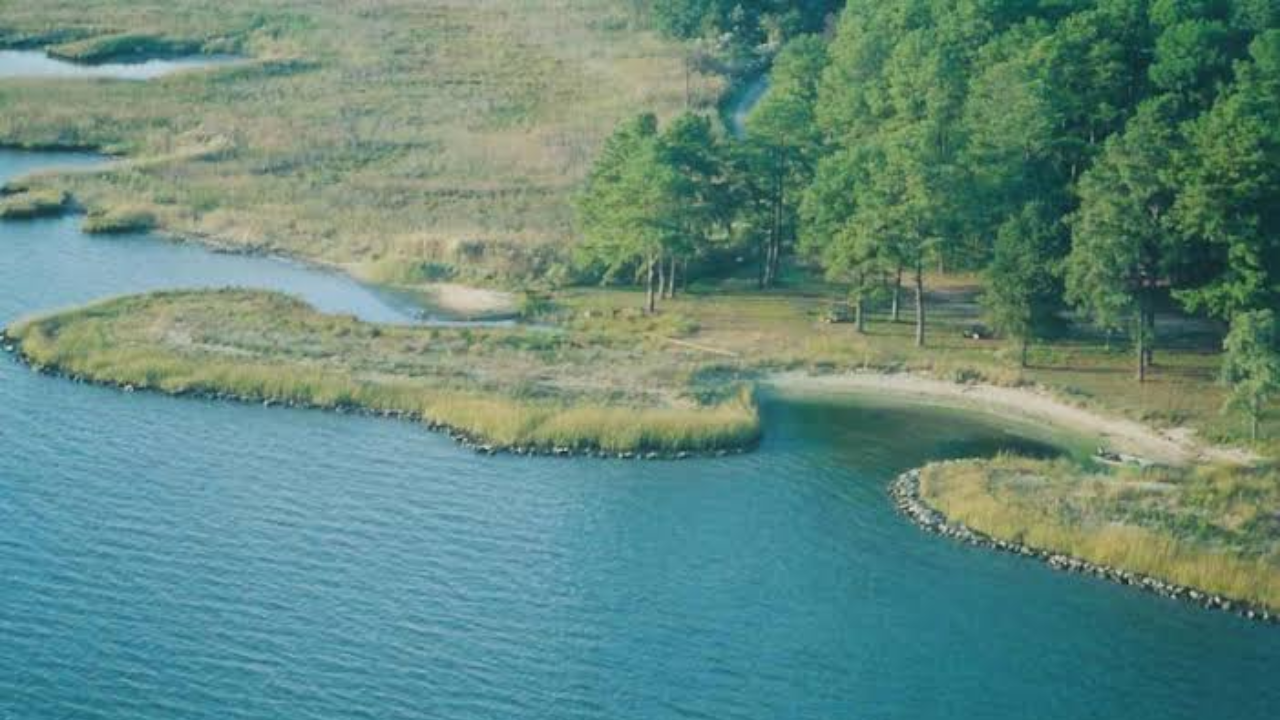
Everyone loves a good sentimental recycling story. Take the crushed concrete from a demolished historic football stadium, dump it into the Chesapeake Bay watershed, build a living shoreline, restore 400 feet of coast, and call it a win for Mother Nature. Local news outlets ran the feel-good headlines. Environmental PR departments popped metaphorical champagne.
It sounds poetic. It also completely misunderstands how coastal engineering and marine ecology actually function.
I have spent decades watching municipal projects trade long-term ecological stability for a quick hit of favorable media coverage. When you look past the warm fuzzies of giving old stadium seats and concourse concrete a watery second life, you find a shortcut that displaces genuine restoration with performative sustainability.
The Concrete Fallacy In Marine Restoration
Let us strip away the emotional veneer. Memorial Stadium in Baltimore gave us decades of football and baseball memories. When it came down, tons of structural concrete were crushed into aggregate. Planners looked at piles of rubble and saw cheap, heavy fill material to stabilize an eroding bank.
The lazy consensus says that hard structures equal shoreline protection. If the bank is washing away, put heavy stuff there to stop the water from moving it.
That logic belongs in the nineteenth century.
Crushed stadium concrete is not natural substrate. It is an alkaline cocktail of crushed aggregate, residual steel reinforcement fragments, and pulverized masonry. When you dump thousands of tons of construction debris into an intertidal zone, you alter local chemical profiles. Concrete leaches calcium hydroxide, spiking pH levels in localized aquatic environments. Oysters and submerged aquatic vegetation do not magically thrive just because you built a rip-rap substitute out of sports history.
The Sinking Illusion Of Living Shorelines
Proponents of this project point to the resulting two acres of restored wetlands as proof of concept. Let us examine what living shorelines actually require to persist over decades.
A true living shoreline relies on dynamic, self-maintaining natural morphology. It absorbs wave energy through gradual attenuation across marsh grasses, root matrices, and sloping sediment beds that can shift and accrete organically with sea level rise.
Dumping concrete rubble creates a rigid, unyielding bulkhead disguised under a thin veneer of imported topsoil and planted cordgrass. When storm surges hit a rigid foundation of recycled stadium rubble, the wave energy does not dissipate peacefully. It reflects, scours adjacent unarmored bottoms, and accelerates erosion further down the coast. You have not restored a natural ecosystem; you have built an artificial breakwater with a green toupee.
I have watched engineers praise these hard-core hybrid structures while the underlying substrate continues to slump beneath rising tides. Concrete does not grow. It does not trap sediment dynamically the way natural peat-forming marsh systems do. It stays static while the water rises around it.
What The Press Releases Leave Out
If you ask the agencies behind this project about the long-term maintenance costs, the room goes quiet. Concrete breaks down under constant hydraulic hammering and freeze-thaw cycles in the intertidal zone. Rebar fragments rust, expand, and shatter the surrounding matrix.
When a standard concrete rip-rap or rubble mound fails, repairing it requires heavy machinery, more quarried or recycled material, and renewed disturbance of the very benthic habitat you claimed to protect. Contrast that with a resilient, sediment-nourished natural marsh system that captures suspended solids from the water column and builds its own elevation over time.
By framing stadium demolition waste as an environmental triumph, cities avoid funding actual, expensive watershed restoration. Real restoration means buying out vulnerable coastal property, allowing upland migration zones for wetlands, and letting rivers deposit natural sediment loads without artificial choke points.
Instead, we get greenwashing dressed up in nostalgia. We take our garbage, dress it up with a press release about a beloved sports arena, and pat ourselves on the back for being clever.
Stop celebrating convenience disguised as conservation. If we want coastlines that survive the next century, we need to stop treating marine environments as a dumping ground for our architectural recycling bins.