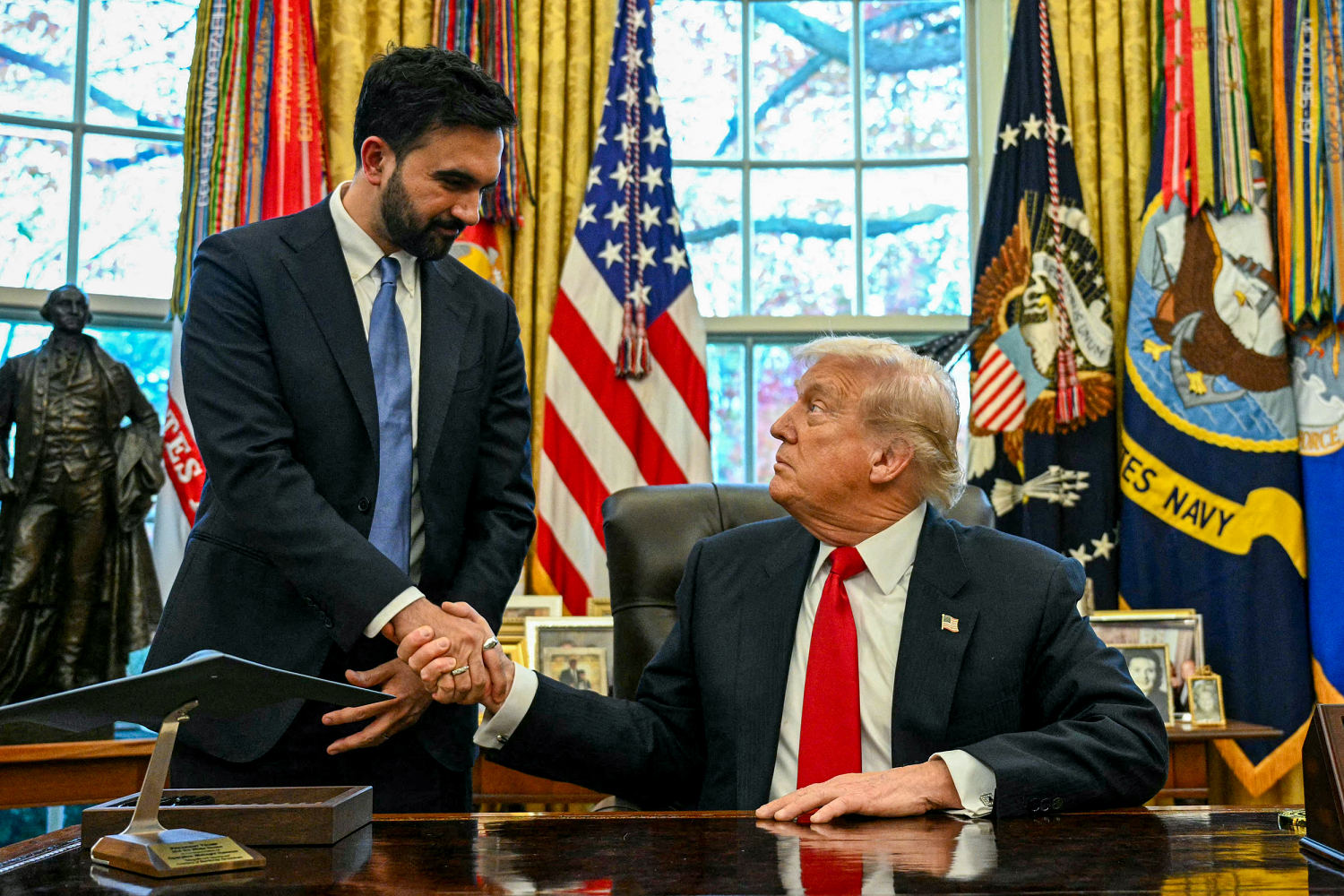
When British Prime Minister Andy Burnham stepped into a room with Donald Trump at the United Nations General Assembly in New York, the diplomatic establishment held its collective breath. The choreography of modern Anglo-American relations required a delicate balance. Burnham needed to survive a high-stakes encounter without triggering a public dispute, while the White House looked for an interlocutor it could brandish as an upgrade from past administrations.
The primary objective of the meeting was simple survival. Veteran observers of the transatlantic circuit know that transactional diplomacy leaves very little room for sentiment. Trump offered immediate praise, labeling the British leader a "natural businessperson" and asserting that bilateral ties were significantly stronger than they had been under previous leadership. Yet beneath the theater of mutual compliments lies a much harsher set of geopolitical contradictions that neither side can easily talk away. Meanwhile, you can find related stories here: Managing Scarcity Before Spatial Competition Turns Lethal.
The Cost of Convenient Chemistry
Diplomacy often mistakes personal rapport for policy alignment. Burnham arrived in New York under intense domestic pressure regarding the cost-of-living crisis, heavily exacerbated by energy market volatility. He sought to urge Washington toward de-escalation in the Middle East, specifically targeting the economic fallout of the conflict with Iran.
Instead of a diplomatic breakthrough, the encounter exposed deep foundational rifts. While Burnham joked about Trump previously dismissing Manchester as "some town," the lighter moments papered over substantive disagreements on critical security and territorial files. Trump openly lambasted the UK's approach to the Chagos Islands handover, calling it a terrible arrangement. For all the rhetoric about a renewed special bond, structural divergence remains the defining characteristic of the relationship. To see the full picture, check out the excellent report by Reuters.
Navigating the Populist Playbook
To understand why this summit mattered, one must look at how political survival dictates foreign policy in Downing Street. Burnham has long positioned himself as a domestic populist reformer, a figure anchored in northern working-class politics rather than the traditional London foreign policy establishment. Adapting that persona to deal with an unpredictable American executive requires a specific brand of pragmatic indifference to past insults.
Consider how past prime ministers stumbled by trying to match ideological strides with Washington. Burnham took the opposite path, treating Trump's prior barbs with self-deprecating humor and focusing strictly on immediate deliverables. By defusing personal friction through a shared joke about regional geography, the Prime Minister successfully avoided the trap of immediate public humiliation.
However, avoiding a diplomatic trainwreck is not the same as steering a strategic course.
The Unresolved Ledger
The fundamental vulnerability of the current UK strategy is its reliance on presidential mood. A relationship built on whether the American leader finds a counterpart entertaining can shift overnight. When pressed on global flashpoints, the two leaders offered vastly different registers. While Burnham emphasized multilateral stability and economic relief for working families facing inflationary pressures, the White House remained anchored to unilateral demands and grievance politics.
Furthermore, domestic critics in Westminster are already asking what concessions were quietly offered behind closed doors to secure this brief window of presidential favor. Foreign policy rarely operates on goodwill alone. Every public compliment from an unpredictable ally usually carries a hidden invoice, payable when least expected.
The reality of modern statecraft is that temporary truces in Manhattan rarely translate into long-term strategic alignment. Burnham secured his photo opportunity and dodged the anticipated temper tantrums, but the underlying friction points—from sovereignty disputes to divergent economic priorities—remain entirely intact. The true test of this new diplomatic alignment will arrive not in the flashbulb-lit rooms of the United Nations, but the moment London has to say no to Washington on a matter of vital national interest.
Trump says U.S.–U.K. relations better under PM Burnham
This video captures President Trump discussing the state of bilateral ties following his initial face-to-face encounter with the British Prime Minister.