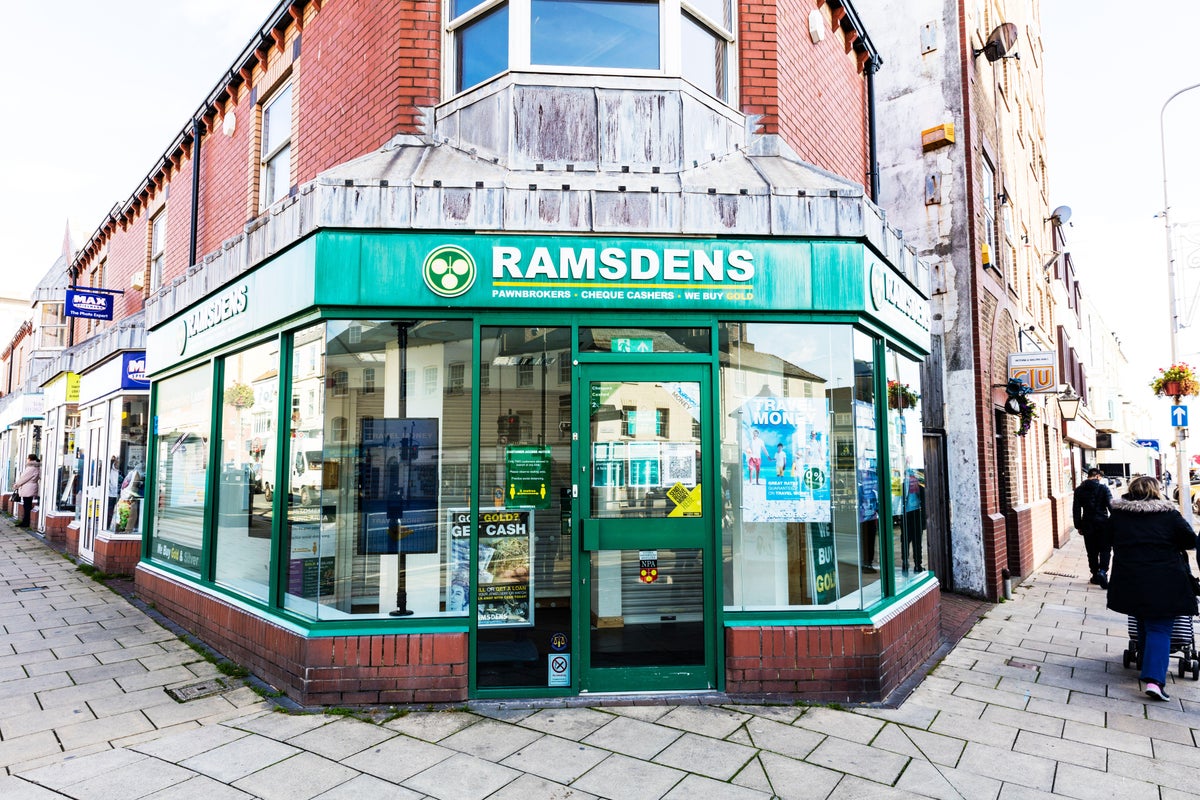
The corporate exodus from the London Stock Exchange is no longer a slow trickle. It is a full-blown rout. Texas-based pawnbroking titan FirstCash just snatched up British high street staple Ramsdens in an all-cash deal valuing the business at £206 million. The move drops another massive hammer on London’s junior Alternative Investment Market, known as AIM. It proves that American buyers see immense value in British businesses that the UK public markets are completely failing to appreciate.
If you own shares in Ramsdens, you are getting a tidy payday. If you care about the long-term health of the British financial sector, you should be deeply worried.
The deal is straightforward. FirstCash is paying 600 pence in cash for each Ramsdens share. On top of that, investors get a 9 pence interim dividend previously declared, bringing the total value to 609 pence per share. That is a fat 35 per cent premium over the previous closing price of 454 pence. Unsurprisingly, the Ramsdens board intends to unanimously recommend that shareholders vote in favor of the deal. The stock immediately surged over 30 per cent on the news, hitting an all-time high.
But this story goes way beyond a single high-street payday. It reveals a structural crisis in British equity markets and highlights a massive corporate consolidation wave that will reshape high streets across England, Scotland, and Wales.
The Hollowed Out Corporate Boardrooms of AIM
The Alternative Investment Market was built to grow small, ambitious British companies. It gave them access to capital without the crushing regulatory burdens of the main London market. That model is broken. Ramsdens floated its shares on AIM nearly a decade ago. It built a solid, highly profitable business from its headquarters in Stockton-on-Tees. Yet, its public valuation never matched its operational success.
Simon Herrick, the non-executive chair of Ramsdens, did not mince words when explaining the sale. He openly admitted that the share price simply failed to keep pace with the group's positive profit and earnings growth. That is a devastating indictment of London’s public markets. When a company performs brilliantly but its stock remains depressed, a foreign buyer will eventually swoop in and buy it on the cheap.
Ramsdens is not an isolated incident. Just last week, the luxury cinema chain Everyman announced its own plans to ditch its London listing. Everyman faced intense pressure from activist investors who wanted the firm off the public exchange entirely after its stock shed nearly 80 per cent of its value over five years. The message from small-cap boards is loud and clear. Being listed in London is currently more trouble than it is worth.
When domestic institutional investors pull cash out of UK small-cap funds, liquidity dries up. Volatility rises. True value disappears. American private equity and corporate giants are sitting on massive cash piles, looking at British tickers like a discounted clearance rack. They do not care about London's prestige. They care about cheap cash flows.
Behind the Numbers of the Ramsdens Operation
To understand why FirstCash wanted this business so badly, you have to look past the neon signs on the high street. Ramsdens is a cash machine. It operates 174 physical stores across the country, alongside a growing online retail presence.
The firm does not just loan cash against watches and gold chains. It operates a diversified retail business. Here is how their latest financial year shook out in prose rather than a neat, artificial corporate spreadsheet.
The business brought in total revenue of £83.7 million. That was an extraordinary jump from the £51.6 million they reported the previous year. The standout engine behind this growth was their jewellery retail unit, which saw its revenue climb 26 per cent to hit £26.1 million. This operational strength translated into a massive 173 per cent explosion in pre-tax profits, reaching a record £16.7 million. Over the trailing twelve months leading up to early 2026, the company generated roughly $200 million in revenue and brought home a net income of $26 million.
Most people think of pawnbrokers as dusty, depressing operations that thrive only during deep economic recessions. That is a major misconception. Modern pawnbroking operations like Ramsdens act as alternative financial services hubs. They offer foreign currency exchange, buy gold directly from consumers, and sell high-end secondhand luxury goods. They are highly efficient retail operations masked as lending shops. FirstCash looked at those metrics and recognized a highly optimized network ready to be plugged into a global platform.
Why the Gold Boom Triggered the US Move
You cannot talk about this transaction without talking about the insane bull market in gold. Precious metals have been tearing through record highs. Earlier this year, global geopolitical tensions pushed gold prices to a staggering peak of around $5,400 per ounce.
High gold prices create a beautiful double whammy for a pawnbroker. First, it encourages everyday consumers to dig through their drawers, find unwanted necklaces or rings, and walk into a store to sell them for quick cash. Ramsdens buys this scrap gold at a discount relative to the spot market price. Second, Ramsdens turns around and refines or resells that gold at a massive profit margin.
The high gold price supercharged Ramsdens’ balance sheet over the last 12 months. It is exactly why the stock gained roughly 60 per cent from the start of the year.
But gold prices are notoriously volatile. The Ramsdens management team knew they were likely operating at peak earnings. If gold prices cool down, their profits will compress. Selling the company right now, at the absolute peak of the gold cycle, is a brilliant defensive play for management. They locked in an all-time high valuation for their shareholders before the market cyclicality could turn against them. FirstCash is willing to absorb that commodity risk because they operate at a global scale. They have over 3,300 locations across the United States and Latin America. They can handle a dip in UK gold refining margins.
The American Monopoly on the British High Street
Let's look at the buyer. FirstCash is a absolute monster of a company. It is listed on the Nasdaq in New York and boasts a market capitalization of more than $10 billion. It has an established, aggressive track record of buying up smaller competitors and stripping out administrative overhead to boost margins.
The critical detail that most commentators are ignoring is what FirstCash did last year. In 2025, FirstCash entered the UK market by purchasing H&T Group, Ramsdens' biggest high street rival, for £297 million.
By adding Ramsdens’ 174 locations to the H&T footprint, FirstCash now controls a combined network of nearly 470 stores across the UK. They have effectively created a near-monopoly on the British pawnbroking high street.
The buyers claim there is minimal geographic overlap. Ramsdens is heavily concentrated in the North of England and Scotland, while H&T has historically held a stronger grip on the South. FirstCash plans to use the Ramsdens infrastructure to scale its operations deeper into Scottish and northern communities. They explicitly stated that cost savings will be wrung out by combining head office functions, administrative tech stacks, and back-end compliance infrastructure.
For ordinary consumers, this level of consolidation bears close watching. When a single foreign corporate entity owns both of the dominant players in a niche retail sector, competition drops. The rates offered on pawn loans, the payouts for scrap gold, and the pricing on secondhand jewellery could easily adjust to favor corporate margins over high street consumers.
Actionable Steps for Private Retail Investors
If you are currently holding Ramsdens shares in your ISA or trading account, the path forward requires immediate action. Do not just sit on your hands.
First, look at the timeline. The deal will be executed via a court-approved scheme of arrangement. The cash payout of 600 pence, plus the 9 pence dividend, is expected to settle later this year, with the dividend specifically scheduled for October 9. Because the stock is already trading close to the offer price, your upside from holding onto the shares until the deal officially closes is minimal.
You should consider selling your position directly in the open market right now. Take the cash. Lock in your profits. Sitting in a stock waiting for a deal to finalize ties up your capital for months just to capture a few extra pence.
Second, you need to redeploy that capital wisely. If you want to stay in the specialty retail or alternative finance space, the UK public markets offer very few direct alternatives now that H&T and Ramsdens are both gone. You have to pivot. Look toward the US markets where these consolidated entities actually live. FirstCash trades under the ticker FCFS. Buying the acquirer allows you to keep exposure to the UK high street cash flows while benefiting from the massive global scale and diversified Latin American operations of the parent company.
Finally, stop hunting for deep-value small caps on AIM expecting a long-term public recovery. The structural lack of liquidity in London means these companies will either stagnate or get bought out by foreign corporate predators. If you are going to hunt for small-cap equities in the UK, focus exclusively on companies with high free cash flow yields that are actively buying back their own shares. If the public market won't value them properly, and a foreign buyer hasn't arrived yet, the company must be its own buyer of last resort. Capital management is everything.