The Quiet Hope Inside a Port That Never Sleeps
Rain slicks the asphalt outside Kwai Chung container terminal at four in the morning. Sodium lamps hum against the mist. Somewhere far above the harbor, a freighter horn bleats once, low and hollow, echoing off glass towers that hold half the world's ledger books in their air-conditioned vaults.
Listen closely to that sound. For another look, read: this related article.
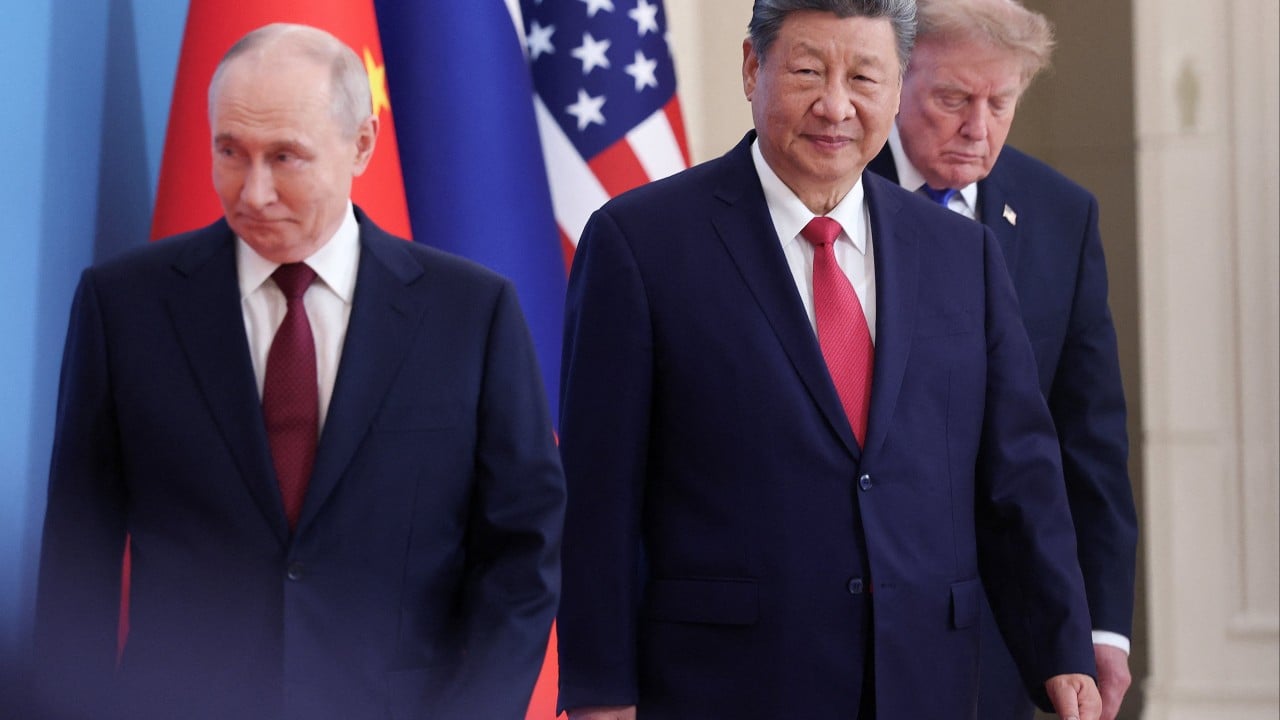
It is not the sound of a handshake in a distant capital. It is not the crisp rustle of diplomatic ink drying on a peace declaration between China, the United States, and Russia. It is steel meeting damp air. It is a clock ticking over forty-foot containers stacked six high like painted blocks.
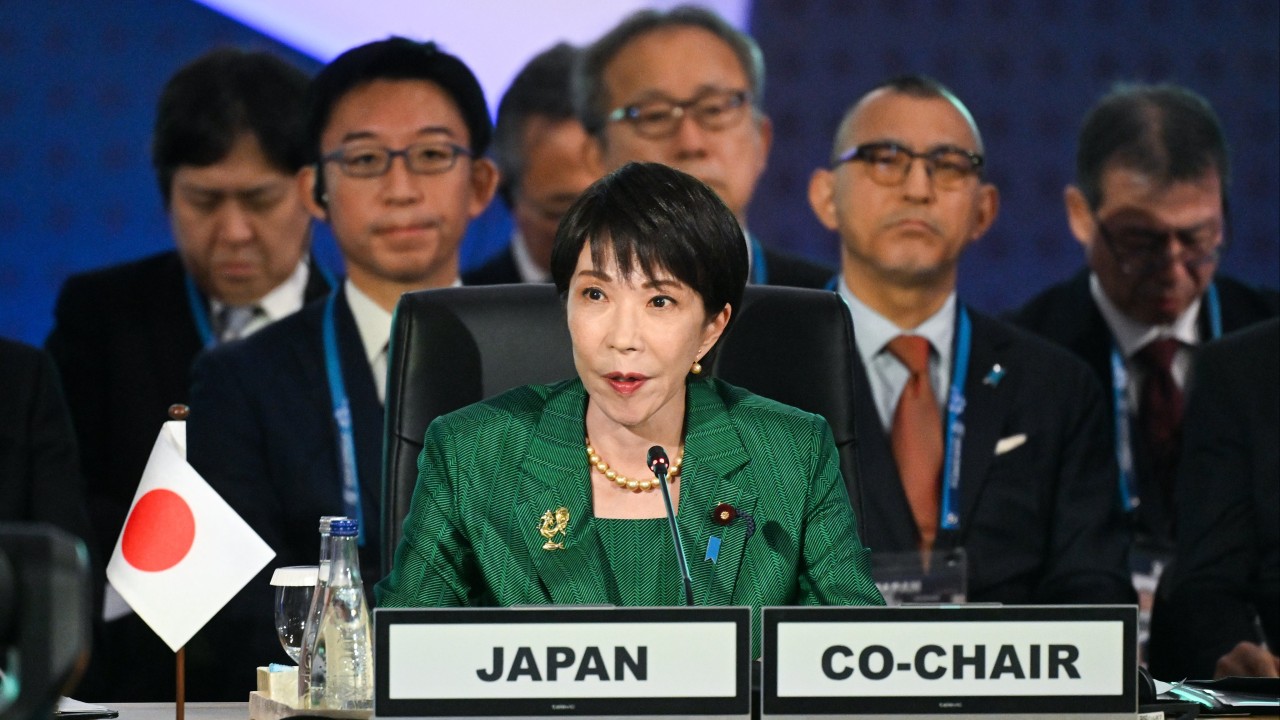
When a commerce chief in Hong Kong steps up to a microphone and calls himself "cautiously optimistic," most readers scroll past. "Cautiously optimistic" is the polite armor of public officials. It sounds like tepid tea left too long on a conference table. Yet if you have ever watched a small trading house in Tsim Sha Tsui calculate freight surcharges while a tariff rule changes mid-voyage, you know that caution is not cowardice. Caution is survival. Further insight regarding this has been shared by MarketWatch.
I have spent years walking the narrow corridors between shipping agents, customs brokers, and warehouse floor supervisors in cities built on trade. You learn fast that grand geopolitical declarations rarely arrive as instant miracles on the loading dock. They arrive as a slight softening in tone, a pause in retaliatory threats, a fragile breathing room where a buyer does not immediately cancel a spring order.
Consider what happens next when three giants step back from the brink at once.
The Weight of Ink on Moving Water
Diplomacy moves on paper. Cargo moves on diesel and tide.
For years, businesses operating out of Hong Kong lived inside a pressure cooker. One week, a tariff adjustment in Washington made a shipment of precision electronics uneconomical before it even cleared customs. Another week, shifting sanctions and supply-chain rerouting forced logistics managers to redraw maps on whiteboards at midnight. A peace declaration involving Beijing, Washington, and Moscow does not erase decades of strategic rivalry in a single afternoon. Anyone claiming it does is selling fairy tales.
Still, a declaration changes the weather forecast.
To understand why Hong Kong's commerce leadership frames this moment with measured hope rather than fireworks, think of a metaphor: a tightrope walker crossing a canyon in gusty wind. A sudden drop in wind speed does not end the walk. You still have to put one foot in front of the other. You still feel the drop below your boots. Yet for the first time in months, the rope stops whipping violently against your ankles.
Let us step into a hypothetical scenario to see how that shift feels on the ground. This scenario is invented to illustrate everyday mechanics, though every piece mirrors real pressures in global commerce.
Picture Mei-Ling, a hypothetical logistics coordinator for a mid-sized trading firm in Kowloon. Her job is unglamorous and relentless. She tracks bills of lading, checks insurance riders, and fields panicked calls from factory managers in southern China and retail buyers in North America. For nearly three years, her mornings began with red ink—delayed vessels, rerouted rail corridors across Eurasia, sudden compliance checks that froze cash flow for weeks.
When news of a major peace declaration among China, the United States, and Russia breaks, Mei-Ling does not throw confetti. She opens three spreadsheets. She checks whether maritime war-risk premiums might ease. She wonders if overland and sea lanes will face fewer abrupt bottlenecks. Above all, she asks a quiet, practical question: Will my clients stop freezing their inventory budgets next quarter?
That is the real human stake behind a "cautiously optimistic" commerce chief. Jobs do not hang on diplomatic phrasing alone; they hang on whether a mid-sized company can plan six months ahead without guessing which border will harden next.
Why Caution Is Not Cynicism
Critics love to mock diplomatic statements as empty theater. Give them a solemn declaration and a measured response, and they will call both meaningless.
That reaction misses how trust actually rebuilds after years of friction.
Trust in global trade is not a light switch. It is closer to scar tissue—tough in places, tender everywhere else, easily bruised if stretched too fast. When major powers declare peace or de-escalation, markets test the promise immediately. Shipping insurers watch route safety. Banks watch credit lines. Manufacturers watch raw material prices.
Hong Kong sits right at the crossroads of these currents. Historically, its strength has never come from owning vast natural resources or a massive domestic factory floor. Its strength came from being a bridge—a place where capital, legal clarity, port efficiency, and regional access met under one roof. When the waters between major powers turn choppy, a bridge gets buffeted from every side.
I will admit something openly: geopolitical shifts confuse even seasoned observers. When three massive economies announce a peace framework, the fine print matters enormously, and much of it is rarely visible on day one. Sometimes a headline looks sweeping while enforcement remains slow. Sometimes a modest diplomatic opening unlocks commercial conversations that had been frozen behind closed doors. Doubting instant transformation is not cynicism. It is respect for complexity.
Look at what happens when companies regain even a sliver of predictability:
- Inventory decisions slow down and breathe. Instead of hoarding stock out of fear or starving shelves out of panic, buyers can order closer to real demand.
- Financing becomes slightly less punishing. Lenders price uncertainty into every loan and letter of credit; calmer signals can gradually lower that friction tax.
- Cross-border conversations resume. Trade delegations, suppliers, and service providers can meet with less dread that today's agreement will be torn up tomorrow.
None of this happens automatically. Every single gain requires follow-through.
The Invisible Ledger of Everyday Trade
Most people never think about what happens between a factory gate and a store shelf.
They see a jacket, a circuit board, a bag of coffee, or a medical device. They do not see the freight forwarder negotiating space on a container ship. They do not see the compliance officer checking origin rules. They do not see the small business owner in Hong Kong wondering whether to renew a lease or hold cash in reserve.
In global commerce, uncertainty acts like silent gravity. It pulls energy out of expansion and pushes it into defense. Firms hire slower. They delay new product lines. They keep extra cash sitting idle just in case a route closes or a tariff jumps.
When China, the United States, and Russia step toward a peace declaration, the immediate relief in a place like Hong Kong is psychological as much as economic. Fear is exhausting. Living in a constant state of tariff whiplash and supply-chain alarm wears down entrepreneurs and workers alike.
Wait.
Don't mistake a pause in hostility for permanent harmony.
History teaches a sobering lesson about great-power agreements: declarations are starting lines, not finish lines. Real peace—the kind that lowers freight costs, stabilizes energy and commodity flows, and gives small exporters room to grow—is built in quiet compliance, steady communication, and months of restraint.
A commerce chief who says "cautiously optimistic" is essentially telling the public: I see a door cracking open, and I want to walk through it—but I am keeping my eyes on the hinges.
What Bridges Do When the Wind Drops
Think about an older suspension bridge spanning a wide harbor channel.
When gale winds hit, the cables sing and strain. Maintenance crews watch the tension gauges hour after hour. Everyone on shore holds their breath until the squall passes. Once the wind dies down, the bridge does not suddenly become new, nor is the sea suddenly calm. Yet traffic moves smoother. Commuters exhale. Goods cross without turning back.
Hong Kong's commercial ecosystem functions much like that span. It connects mainland production, regional supply chains, and international finance. When major powers signal a move away from conflict toward peace, the pressure on the entire network shifts. Opportunities emerge for trade facilitation, logistics coordination, and commercial recovery—provided institutions stay sharp and adaptable.
At the same time, real risks remain. Geopolitical alignments rarely settle overnight. Secondary disputes, regulatory hurdles, and lingering mistrust can still trip up optimistic forecasts. A responsible leader cannot promise smooth sailing when storm clouds still sit on the horizon.
Instead, the work lies in turning a fragile diplomatic opening into tangible commercial stability. That means supporting businesses navigating new rules, keeping trade channels open, and refusing to let short-term hype blind policymakers to lingering hazards.
Down by the water, cranes continue their slow, deliberate dance. Containers lift, swing, and settle onto chassis trucks bound for highways and rail lines. The harbor does not wait for speeches to finish. It keeps moving, carrying the quiet hopes of thousands of people who simply want a fairer, steadier wind behind their sails.