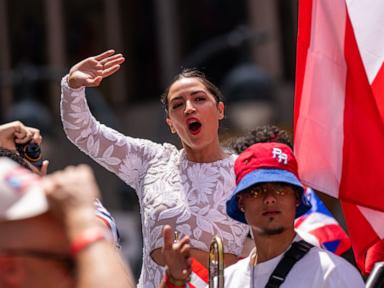
High-profile endorsements from progressive figureheads like Representatives Alexandria Ocasio-Cortez and Ro Khanna do not automatically translate into electoral victories or an immediate leftward shift for the Democratic Party. Instead, their endorsements function as highly targeted financial lighting rods and ideological signaling mechanisms. While mainstream political coverage treats these endorsements as a unified rubber stamp of progressive dominance, a deeper examination reveals two distinct, often competing strategies for building power within the party structure. Ocasio-Cortez uses her massive fundraising apparatus to build institutional leverage from within, whereas Khanna deploys a "progressive capitalist" framework designed to bridge the gap between corporate technology hubs and working-class districts. Understanding how these two lawmakers deploy their political capital reveals the actual, transactional mechanics of modern intra-party warfare.
To understand the current impact of these endorsements, one must look past the optics of campaign rallies and focus on the cold realities of campaign finance. When a progressive challenger launches a primary bid against a moderate Democratic incumbent, the greatest hurdle is rarely name recognition; it is the immediate cutoff of establishment funding. The Democratic Congressional Campaign Committee has historically maintained strict rules penalizing political vendors and consultants who work with primary challengers. This is where the true utility of a high-profile progressive endorsement manifests.
The Financial Lifeline
An endorsement from Ocasio-Cortez functions primarily as an alternative financial infrastructure. Her digital fundraising operation can redirect hundreds of thousands of dollars in small-dollar donations to a down-ballot candidate within forty-eight hours. This sudden influx of capital completely bypasses traditional party gatekeepers, allowing insurgent campaigns to purchase television airtime, fund sophisticated digital targeting, and hire experienced field staff.
However, this financial weapon has distinct geographic and demographic limitations. Small-dollar internet fundraising spikes are highly effective in deep-blue urban districts where a crowded primary field means a candidate only needs thirty or forty percent of the vote to win. In suburban swing districts, the same endorsement can become a strategic liability, weaponized by opposition groups to paint the candidate as electorally unviable.
The Split in Progressive Strategy
The divergence in how Ocasio-Cortez and Khanna approach endorsements highlights a fundamental disagreement on how to reshape the Democratic Party. Ocasio-Cortez has increasingly adopted an inside-outside strategy. While she still backs select primary challengers against corporate-aligned Democrats, she frequently coordinates with house leadership to protect vulnerable incumbents in exchange for policy concessions or committee assignments. This pragmatic shift has alienated portions of her original activist base but has significantly increased her raw legislative power in Washington.
Khanna pursues an entirely different theory of change. Representing Silicon Valley, he explicitly avoids the "democratic socialist" label, opting instead for "progressive capitalist." His endorsements are rarely just about pushing the party to the left on social programs; they are designed to export a specific economic philosophy centered on digital infrastructure investments, domestic manufacturing, and anti-trust enforcement.
When Khanna endorses a candidate, he is often signal-boosting an economic framework that attempts to reconcile progressive populist anger with corporate technological advancement. This creates a fascinating tension within the progressive caucus, as his endorsed candidates often favor market-based solutions and public-private partnerships that draw skepticism from the traditional, labor-focused left.
The Limits of Counter-Endorsements
The establishment is no longer caught off guard by insurgent primary challenges. In the years following the 2018 midterms, moderate and corporate-aligned factions developed a highly effective counter-strategy. Super PACs, funded by multi-million dollar contributions from real estate, finance, and pro-Israel lobbying groups like AIPAC, now routinely flood primary races with negative advertising.
[Progressive Endorsement] ---> Triggers Small-Dollar Influx ($500k - $1M)
                                      VS.
[Establishment Counter-Push] -> Triggers Outside Super PAC Spending ($2M - $5M)
In this environment, a progressive endorsement can act as an unintended flare gun, alerting opposition donors exactly where to deploy their capital. When a high-profile progressive backs a challenger, it frequently triggers a multi-million dollar counter-offensive from outside groups that dwarfs the small-dollar fundraising bump. This spending disparity explains why many progressive challengers, despite possessing massive online enthusiasm and celebrity endorsements, ultimately fail to cross the finish line in high-stakes primary matchups.
The true legacy of these endorsements is not a wholesale takeover of the Democratic apparatus, but rather the forced normalization of specific policy positions. Issues that were considered radical a decade ago are now baseline requirements for entry into the party mainstream. By forcing moderate incumbents to defend their records against well-funded primary challengers, progressive power brokers alter the legislative behavior of safe-seat Democrats long before anyone enters a voting booth. The fear of a primary challenge changes how an incumbent votes on banking regulation, environmental policy, and healthcare access. The endorsement is the threat that makes that fear credible.