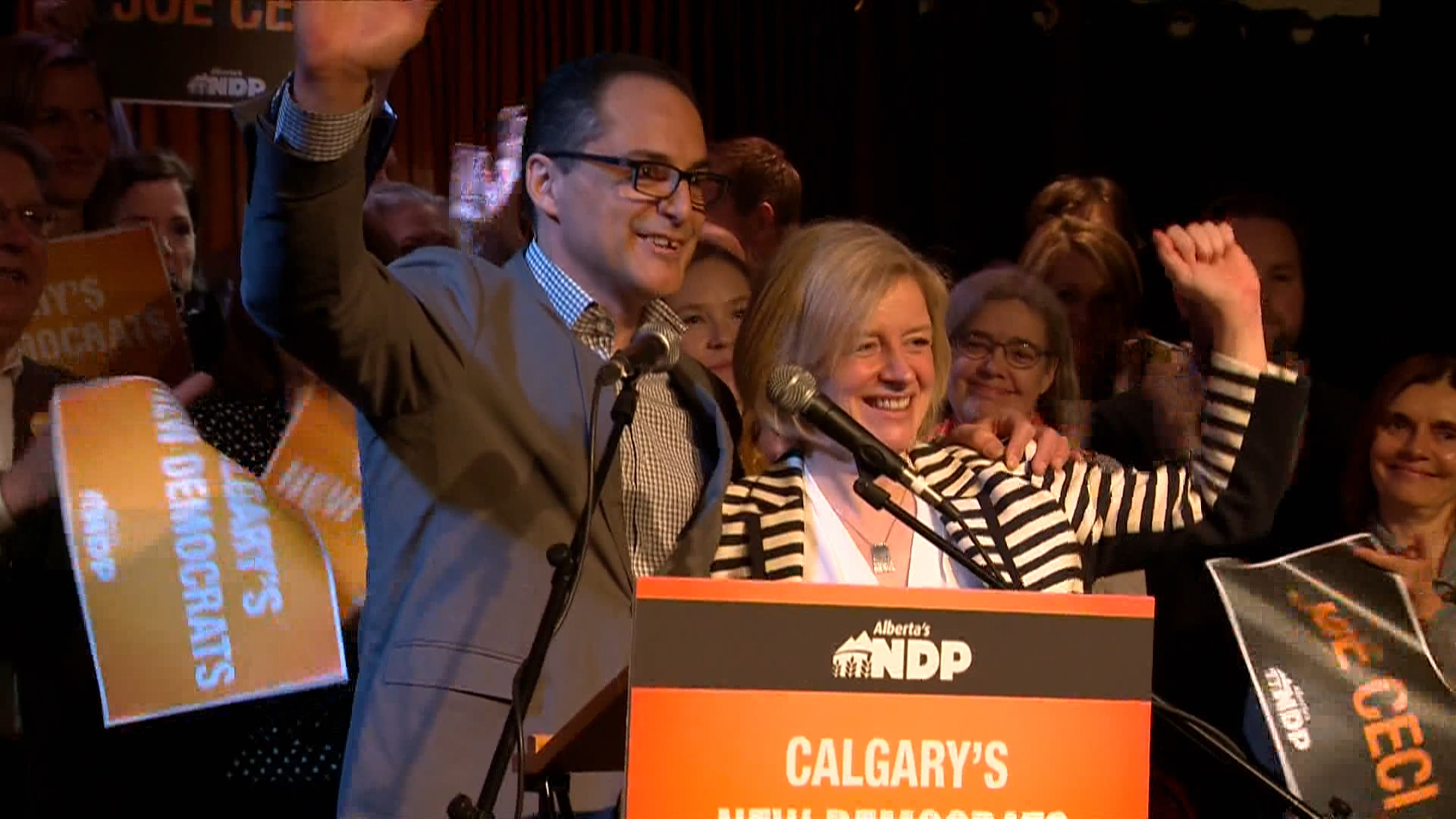
The air inside a political convention hall always smells the same. It is a mix of stale coffee, industrial carpet cleaner, and the faint, electric musk of human ambition. If you stand near the back long enough, you can see the toll it takes. The slumped shoulders beneath dry-cleaned blazers. The dark circles that no amount of television makeup can completely hide.
On a Saturday morning in June, the Alberta NDP gathered for its spring provincial council meeting. On paper, it was a routine organizational gathering. But beneath the standard applause and the rustle of briefing binders, a quiet tectonic shift was occurring. Four names were crossed off the future ballot.
Joe Ceci. Lori Sigurdson. Marlin Schmidt. Dr. Luanne Metz.
To the casual observer scrolling through a news feed, it was a brief, dry headline: four members of the Legislative Assembly choosing not to run in the 2027 provincial election. A standard political exit. But anyone who has ever sat in those hard plastic legislative chairs knows better. Leaving politics is rarely just a career change. It is an act of reclamation.
Consider what it means to belong to the Class of 2015. When Rachel Notley led the New Democrats to a shocking majority victory over a decades-old conservative dynasty, people like Ceci, Sigurdson, and Schmidt weren't just politicians entering an office. They were pioneers stepping onto an active volcano. They were handed the keys to a province facing a catastrophic collapse in global oil prices.
Imagine the sheer weight of that moment. Joe Ceci, a former Calgary social worker who had already spent fifteen years listening to the raw struggles of citizens on city council, was suddenly named Minister of Finance. He wasn’t just looking at spreadsheets; he was looking at the financial survival of millions of families during an economic freefall. For four years, every breath he took was public property.
Then the tables turned. Power shifted back. The pioneers became the opposition, tasked with fighting from the trenches, scrutinizing every bill, and enduring the relentless, often toxic grinding wheel of modern partisan warfare.
It changes a person. It hardens you, yes, but it also hollows you out.
The standard political narrative insists that politicians only leave when they are pushed out, or when a scandal breaks, or when they lose an election. We are conditioned to look for the hidden knife in the back. But the truth is often far more human, and far more poignant. Sometimes, you simply look at the horizon and realize you have given everything you have to give.
Marlin Schmidt spent his tenure as Advanced Education Minister fighting to freeze tuition, trying to shield young people from the rising tide of debt. Lori Sigurdson navigated the heavy portfolios of seniors, housing, and labor, pushing to bring farm workers under workers' compensation protection. These weren't abstract debates. They were weeks of sleepless nights, endless adversarial committee meetings, and the constant, crushing awareness that a single flawed sentence could destroy a career.
And then there is Dr. Luanne Metz. She arrived much later, elected in 2023. A neurologist and internationally respected researcher, she traded the sterile, evidence-based world of medicine for the chaotic theatre of the legislature. She tried to inject clinical reality into the hyper-politicized debate surrounding the future of Alberta's public healthcare system. Think about that transition: moving from an environment where truth is measured under a microscope to one where truth is often whatever can be shouted loudest.
Now, all four have chosen the exit. They will finish their terms, but they will not ask for four more years.
It is easy to look at this through a purely strategic lens. Pundits will argue about what this means for the party's new leader, Naheed Nenshi. They will calculate the loss of incumbent advantage in key Calgary and Edmonton ridings. They will note that the governing United Conservative Party is facing its own quiet exodus, with ministers like Nate Horner and Matt Jones also signaling their departures amid internal tensions over separation referendums.
But the political calculator misses the emotional core of the story.
To step away voluntarily is a radical act of humility. It requires an individual to look into the mirror, bypass the ego that demands permanent relevance, and say: Someone else should do this now. It is an acknowledgment that public service should be a season, not a permanent psychological state.
We demand total devotion from our elected officials. We want them accessible at midnight, bulletproof during scandals, and entirely empathetic to our specific grievances. We rarely stop to think about what happens to the human being inside the suit when they go home to an empty house, or when they miss yet another family milestone because they were stuck in an infinite debate over an amendment to a piece of legislation.
When Naheed Nenshi stood up to thank them, offering the standard vocabulary of political gratitude—speaking of "tangible and immeasurable ways" they made the province better—the words felt soft compared to the hard reality of what these four are actually doing. They are stepping back into the shadow of private citizenship. They are choosing to reclaim their names, their weekends, and their peace of mind.
The 2027 election will still happen. The lawn signs will be hammered into the thawing dirt. New candidates will stand on doorsteps, bright-eyed and full of the same fierce energy that Ceci, Sigurdson, and Schmidt possessed over a decade ago.
But as the room empties and the staffers pack up the remaining coffee cups, the departure of the veterans leaves a heavy silence. It stands as a quiet reminder to anyone watching closely: the most difficult part of holding power isn't winning it, and it isn't wielding it.
It is knowing exactly when to let it go.