The modern locker room does not smell like sweat and tape anymore. It smells like corporate real estate, expensive cologne, and the crushing weight of public expectation. When the heavy glass doors of T-Mobile Arena swing shut, they are supposed to seal out the noise of the Las Vegas Strip. But the noise always finds a way in.
Every professional athlete and coach learns to live with a specific type of hunting party: the media. It is a mutually assured destruction, or perhaps a mutually assured survival. The league provides the stage. The players provide the blood. The media provides the eyeballs that turn that blood into billions of dollars. It is a rigid, unspoken ecosystem regulated by a rulebook thicker than a phone book.
When you break those rules, the league does not just fine you. They cut away pieces of your future.
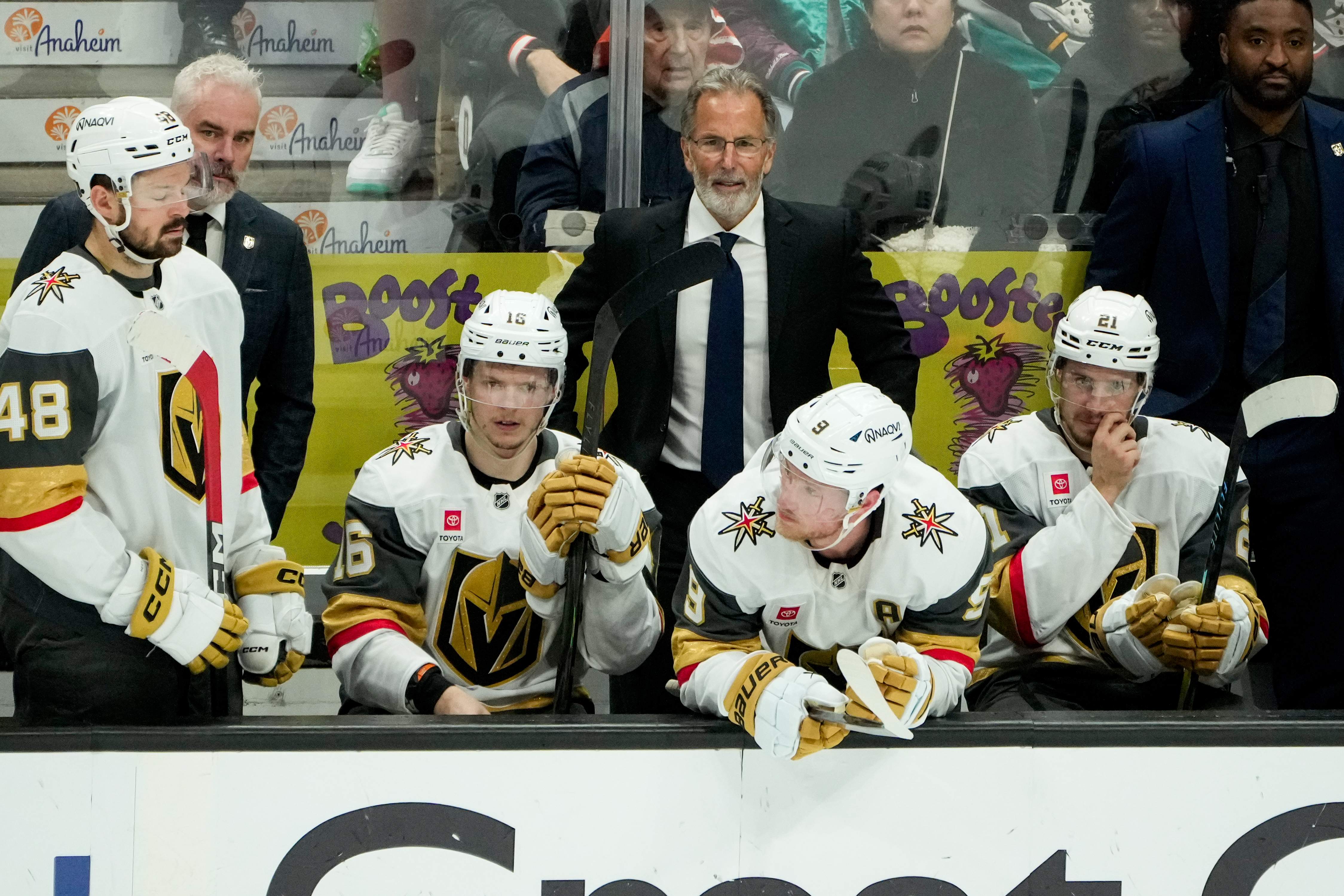
That is the stark reality facing the Vegas Golden Knights. In a move that sent shockwaves through the front offices of the National Hockey League, the league stripped the franchise of its upcoming second-round draft pick. Simultaneously, the NHL levied a staggering $100,000 fine against the team’s head coach. The infraction? A systemic, deliberate violation of the league's media access policy during a critical stretch of the season.
To the casual observer, a media violation sounds like bureaucratic nonsense. It reads like a parking ticket issued by suit-wearing executives in Manhattan who have forgotten what it feels like to have ice shavings freezing to their eyebrows. But look closer. This is not about a coach skipping a press conference because he had a bad night. This is a story about control, the high stakes of modern sports ownership, and the rapidly fracturing relationship between the people who play the game and the people who pay to watch it.
Consider the anatomy of a post-game press conference.
The buzzer sounds. The adrenaline is still humming through your veins like a live wire. Your shoulders ache, your knee feels like it is filled with broken glass, and you have just lost a game in front of eighteen thousand screaming fans. You have exactly fifteen minutes to strip off eighty pounds of damp gear, throw a shirt over your torso, and walk into a sterile room illuminated by the harsh, unflattering glare of television lights.
Waiting for you are thirty people holding microphones. They do not want to know how your knee feels. They want to know why you made a blind pass in the third period that led to the game-winning goal. They want a soundbite that will drive clicks, fuel sports talk radio for the next forty-eight hours, and inevitably wind up on a social media feed accompanied by a mockery of emojis.
It is a psychological gauntlet. For years, coaches and players have treated it as a necessary evil. You show up, you mouth the platitudes—we gotta get pucks deep, we gotta play our game, credit to their goaltender—and you go home to your family.
But a shift has been brewing beneath the surface of professional sports. A quiet rebellion. Teams, particularly those with deep pockets and fiercely protective cultures like the Golden Knights, have begun to view the media not as a partner, but as an active adversary.
The logic inside the bunker is simple: why allow outsiders to poke at the bruises of a fragile locker room culture? Why risk a stray comment blowing up a season when you can control the narrative entirely through your own in-house digital media channels?
The problem is that the league owns the house. And the house always wins.
The NHL’s media rules are not suggestions. They are baked directly into the collective bargaining agreement and the league’s constitution. They exist because television networks do not pay billions of dollars for the broadcast rights to a game just to watch a coach walk out the back door without saying a word. The access is the product. The raw, unfiltered frustration of a losing coach or the ecstatic grin of a rookie scorer is precisely what makes the sport human. Without it, hockey is just ten wealthy athletes skating in circles on a sheet of frozen water.
By deliberately denying that access, the Golden Knights chose to protect their internal peace at the expense of the league’s broader business model.
The league's response was intentionally draconian. A $100,000 fine for a head coach is a massive financial hit, even in a league where average salaries hover in the millions. It is a public reprimand meant to embarrass, a shot across the bow to every other bench boss from Vancouver to Sunrise. It says, unmistakably, that your time does not belong to you. It belongs to the shield.
But the true devastation lies in the loss of the second-round draft pick.
To understand the weight of a dropped draft selection, you have to look past the marquee names that dominate the headlines on draft night. Everyone knows the first-round picks. They are the generational talents, the golden boys expected to save franchises. But championships are not built exclusively on the backs of superstars. They are built in the grimy, unglamorous middle rounds of the draft.
A second-round pick is a currency of immense value. It is the draft position that yields the elite penalty killers, the shutdown defensemen, and the depth scoring options that allow a team to survive the grueling four-month marathon of the Stanley Cup Playoffs. More importantly, in an era governed by a rigid salary cap, draft picks represent cheap labor. A young, talented player on an entry-level contract is the most valuable asset a general manager can possess.
By docking that pick, the NHL did not just punish the Golden Knights for what they did yesterday. They punished them for what they can do three years from now. They effectively erased a human being—a young athlete currently sweating through a junior hockey game somewhere in Saskatchewan or Sweden—from the future roster of the Vegas franchise.
Imagine the conversation in the executive suites of the Golden Knights front office when the memo from the league office arrived.
The calculation had failed. The management team had likely wagered that a few missed availability sessions would result in a slap on the wrist—a predictable fine that could be quietly absorbed by an ownership group accustomed to the massive revenue streams of a winning Las Vegas franchise. They did not expect the league to reach into their asset cupboard and steal a piece of their future.
This penalty reveals a deeper, creeping anxiety within the executive offices of professional sports leagues. We are living in an era where athletes and teams possess more individual media power than ever before. A star player with five million followers on Instagram does not technically need a reporter from a local newspaper to tell his story. He can broadcast his thoughts directly to his audience, completely bypassing the traditional media filter.
Teams have built massive, internal media empires staffed by former journalists who produce polished, sanitized, and entirely uncritical content. It is a beautiful illusion of access. It gives the fans exactly what the team wants them to see, wrapped in a cinematic bow, with the uncomfortable truths neatly edited out.
The NHL's ruling is a violent rejection of that reality. It is a reminder that the league is a cartel, and membership in that cartel requires submission to its rules. The media rights deals that fund the massive salary caps and the state-of-the-art practice facilities are predicated on the guarantee of authentic, unscripted access. The league cannot allow its member franchises to privatize their narratives.
If Vegas can close its doors, then Toronto can close its doors. If Toronto closes its doors, the entire economic engine of the sport begins to sputter.
The atmosphere around the team during their next scheduled media availability will be thick with tension. The microphones will be there, just as they always are. The cameras will flash. The reporters will ask their questions, perhaps with a bit more edge than usual, knowing they have just won a proxy war fought at the highest levels of the sport.
The coach will sit at the podium. He will look out at the room of people who, through their collective complaints to the league, just cost him a six-figure sum and a premium draft asset. He will have to answer their questions. He will have to look them in the eye.
He will likely give them nothing but the same dry, rehearsed platitudes he has used a thousand times before. But everyone in the room will know the truth. The silence had a price, and the bill has finally come due.