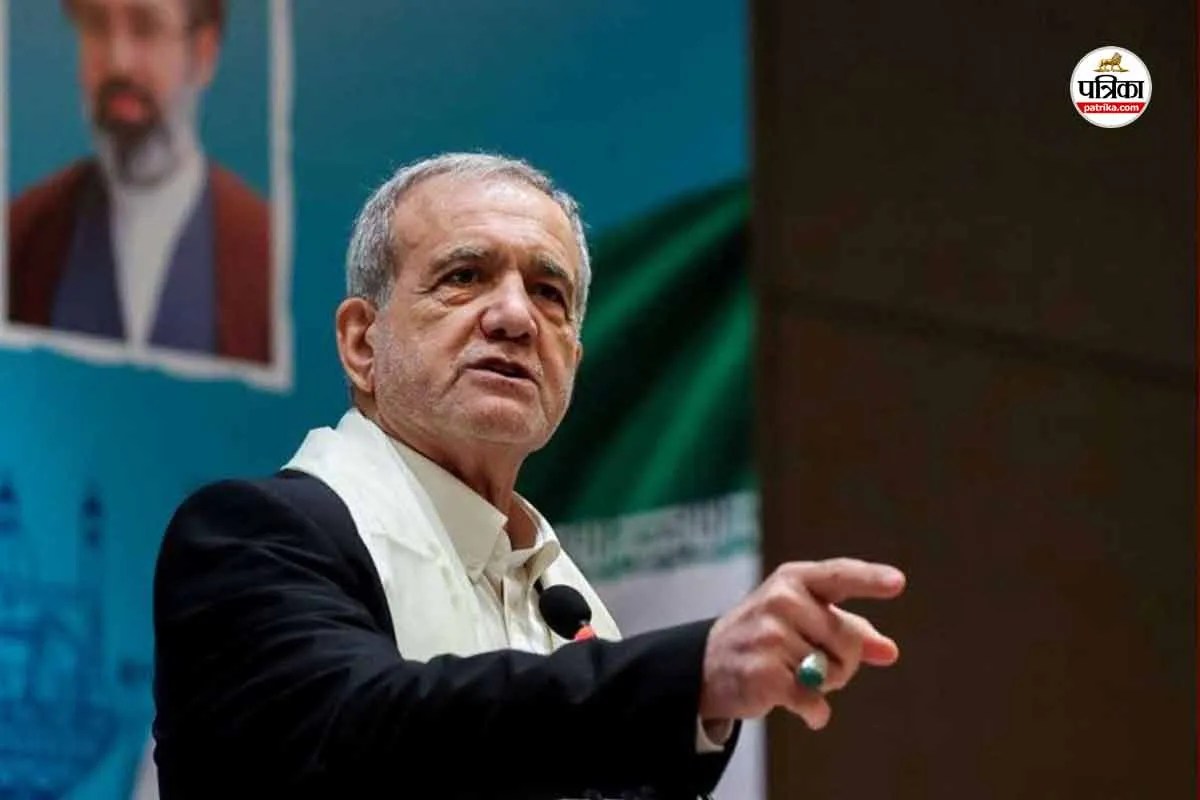
When the head of state in Tehran stands before microphones and declares that popular resolve cannot be broken through external force, the words land with a familiar, weary cadence. This is not a new script. It is a performance refined over decades of economic strangulation, diplomatic isolation, and cyclical confrontation with Washington. Yet beneath the predictable theater of bilateral animosity lies a much deeper structural struggle over survival, political legitimacy, and the brutal arithmetic of national endurance.
To understand why these declarations persist, one must look past the immediate news cycle and examine the machinery of pressure that defines modern statecraft between hostile nations. Washington relies on a sophisticated web of financial exclusion, secondary sanctions, and maritime interdictions designed to squeeze liquidity out of the Iranian economy. The strategy assumes that financial pain will eventually translate into political compliance or domestic rebellion. For years, policymakers in Western capitals have operated on the premise that economic isolation acts as a universal solvent against entrenched political systems.
History suggests otherwise. When external powers apply maximum pressure without offering a credible diplomatic off-ramp, besieged governments do not soften. They harden. They adapt. The state apparatus in Tehran has spent decades building underground trade routes, currency workarounds, and alternative energy export channels to bypass Western financial chokeholds. Black market networks become institutionalized. Smuggling corridors turn into formal pillars of commerce.
This creates a peculiar economic reality. A small class of security-aligned conglomerates absorbs the remaining wealth and resources, tightening their grip on domestic industries while ordinary citizens absorb the catastrophic cost of inflation and currency devaluation. When officials proclaim that the population refuses to bow, they are speaking from a position insulated by power and coercion, while the grocery vendor and the schoolteacher calculate how to survive another week on shrinking wages.
The upcoming diplomatic maneuvers at the United Nations represent another chapter in this prolonged war of narratives. The international body functions less as a hall of meaningful arbitration and more as a global megaphone. For Tehran, taking grievances to the UN podium is an essential exercise in ideological positioning. It allows the government to project defiance on a global stage, appealing to non-aligned nations that remain deeply suspicious of Western hegemony, unilateral sanctions, and double standards in international law.
Washington watches these speeches with calculated indifference, dismissing them as domestic propaganda designed for internal consumption. Yet this mutual dismissal ensures that diplomacy remains frozen. Both sides are trapped in rigid postures where any compromise is interpreted as fatal weakness. The Americans cannot ease sanctions without demanding sweeping structural concessions that Tehran views as an existential surrender. The Iranians cannot yield to foreign dictates without invalidating the foundational narrative of their own revolution.
Consider the baseline mechanics of this stalemate. Sanctions are imposed. Prices rise inside the target nation. Protests flare up, fueled by economic desperation. Security forces respond with rapid force. State media frames the unrest as foreign subversion funded by external adversaries. The cycle resets, more entrenched and more destructive than before.
This routine leaves little room for nuance or resolution. Every fiery speech at an international summit reinforces the walls of suspicion. Every new economic restriction deepens the hardship of the working class while cementing the power of the security elite. The rhetoric of unyielding strength masks a creeping decay, where the state survives by consuming its own future, piece by piece, while foreign capitals watch from a distance and wait for a collapse that never quite arrives on schedule.