The White House wants you to look at the latest June consumer price index data and breathe a sigh of relief. Headline inflation dropped sharply to 3.5%, down from a brutal three-year high of 4.2% in May. On paper, it looks like a victory. Politicians are already taking credit, pointing to a brief, temporary ceasefire with Iran that allowed energy prices to cool down.
Don't buy the victory lap.
The reality on the ground is far messy, and your wallet is about to feel it. The drop in inflation was entirely a mirage driven by a short-lived pause in military actions. Now, that ceasefire is dead. The United States has renewed attacks, and a new blockade in the Strait of Hormuz is officially active. Brent crude oil immediately shot back up, clearing $80 a barrel and climbing higher by the hour.
If you think the inflation crisis is over, you are missing the bigger picture. We are stuck in a volatile loop where geopolitical instability instantly wipes out any domestic economic progress.
The Mirage of Falling Energy Prices
The June drop happened for one reason. Gasoline prices fell 9.7% month-over-month because both sides briefly stopped shooting at each other. That temporary peace agreement gave oil markets a moment to breathe.
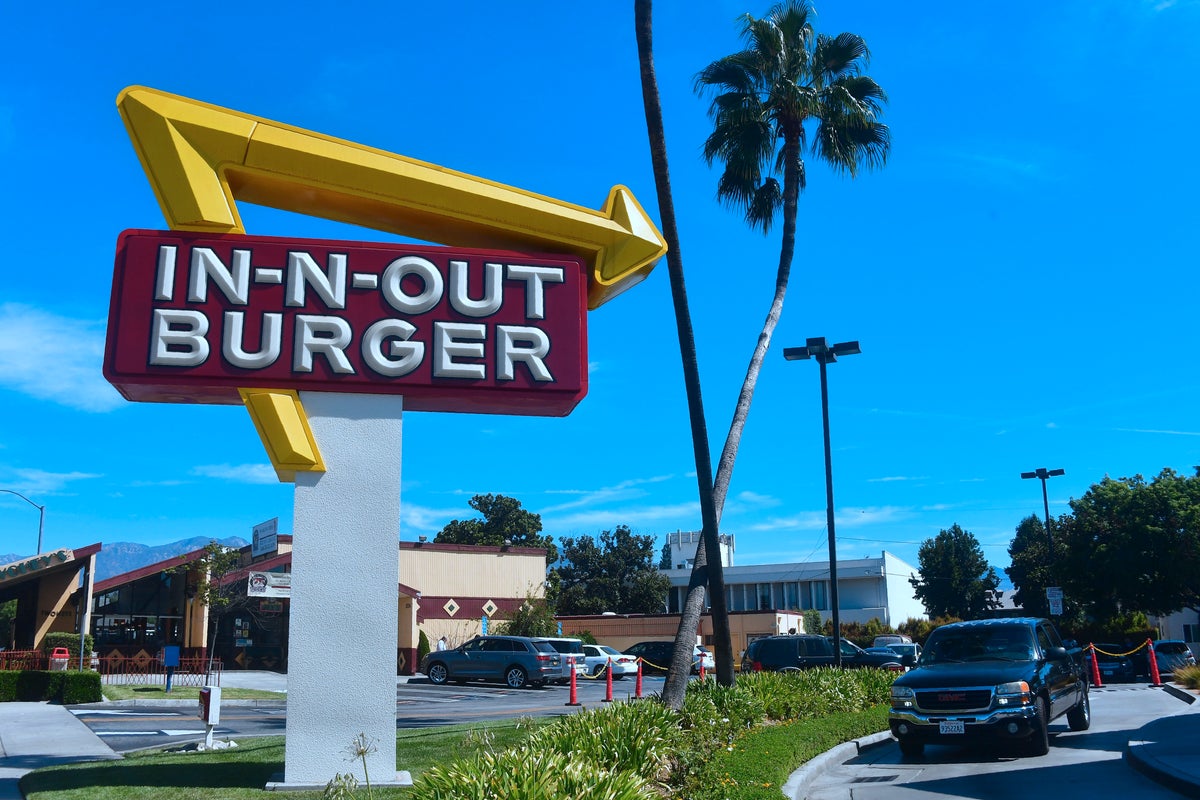
Now, the national average for a gallon of gas sits at $3.86. Analysts are already warning that we are roughly a week away from seeing that number cross the $4.00 mark again.
June Inflation Reality Check:
Headline CPI: 3.5% (Down from 4.2% in May)
Core Inflation: 2.6% (Excluding food and energy)
National Gas Average: $3.86 (Up 70 cents from last year)
Look at core inflation, which strips out volatile food and energy costs. It sat flat at 2.6%. That tells us underlying inflation isn't evaporating; it's just waiting for the next energy shock to push it back into the danger zone. The broader economy is still carrying the weight of massive import tariffs and supply chain constraints. A temporary dip in gas prices doesn't fix structural economic pain.
The Strait of Hormuz Bottleneck
Why does a conflict thousands of miles away dictate what you pay for groceries and travel? It comes down to a single geographic choke point.
The Strait of Hormuz handles about one-fifth of the world’s petroleum liquids. When the U.S. military enforces a blockade and Iran retaliates, shipping lanes freeze. Commercial tankers have to choose between massive insurance premium hikes or taking long, expensive detours around Africa.
The White House claims the U.S. can keep the strait open independently, but the market doesn't care about political rhetoric. The market cares about risk. Every time a drone or missile flies near a tanker, oil futures spike.
This energy spike isn't staying at the gas pump. Airlines like Delta are already passing roughly 60% of their extra fuel costs directly onto consumers through higher airfares. If you plan to travel or buy goods that rely on heavy freight transport, prepare to pay a premium.
What the Experts are Saying
Independent energy analysts aren't sharing the administration's optimism. Bob McNally, founder of Rapidan Energy Group, noted that while record U.S. crude production provides a slight buffer, domestic inventories are hitting dangerous lows. We are burning through our safety net while the conflict escalates.
The Fed is Completely Split
If you're waiting for interest rate cuts to make mortgages or car loans affordable again, keep waiting. The Federal Reserve is caught in an impossible position.
Minutes from the latest central bank meetings reveal a policymaking board that is deeply fractured.
- Half of the policymakers want to raise interest rates before the end of the year to aggressively stamp out borrowing and spending.
- The other half wants to hold steady and wait for inflation to settle down naturally.
The catch? Those discussions happened before the latest round of military strikes and the breakdown of the ceasefire. With Kevin Warsh taking over as Fed Chair and promising to make the inflation surge a thing of the past, the odds of a rate cut this summer have essentially vanished. Expect interest rates to stay higher for longer as the central bank tries to manage a geopolitical supply shock it cannot control.
How to Protect Your Money Right Now
Waiting around for Washington to solve geopolitical friction is a losing strategy. You have to assume that energy volatility will remain a constant factor through the rest of the year.
First, audit your personal transportation and travel budgets. If gas prices scale past $4.00 a gallon as predicted, lock in fixed costs where you can. Avoid booking last-minute travel, because airlines will continue loading fuel surcharges onto tickets as Brent crude climbs.
Second, keep your cash allocations flexible. With the Fed heavily weighing another interest rate hike, high-yield savings accounts and short-term certificates of deposit will likely maintain their attractive yields. Don't rush into long-term fixed investments under the assumption that rates are going down anytime soon.
The headline numbers look great on a press release, but the underlying economic fundamentals say otherwise. Keep your eyes on the shipping lanes, not the political spin.
Inflation cools to 3.5% in June in relief brought by brief US-Iran peace deal This report provides the core economic data from the Bureau of Labor Statistics and highlights how the breakdown of the short-lived ceasefire is already driving energy costs back up.