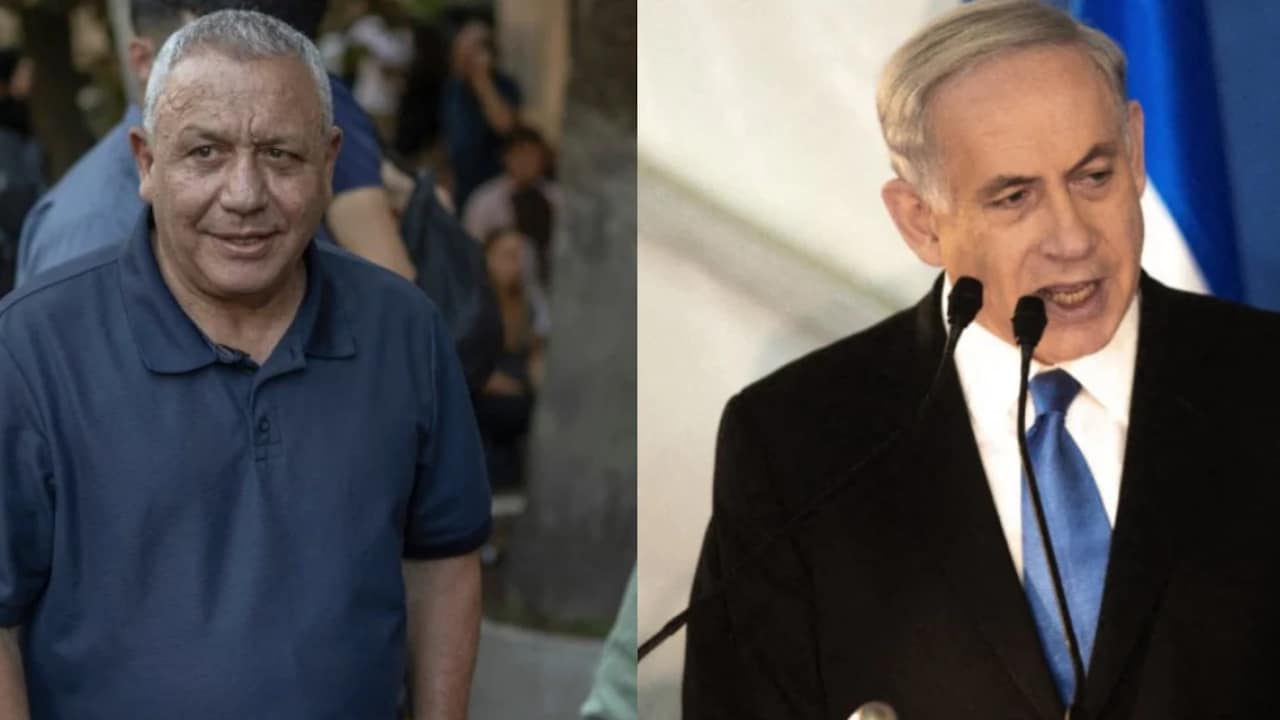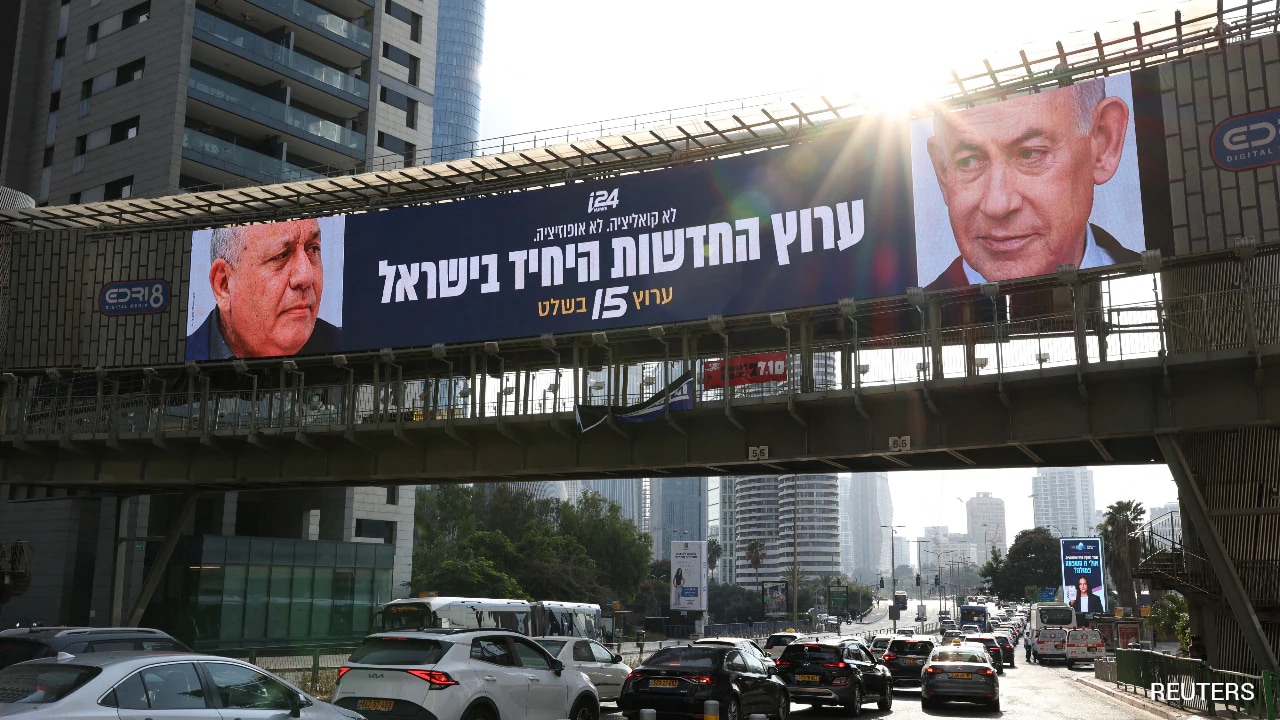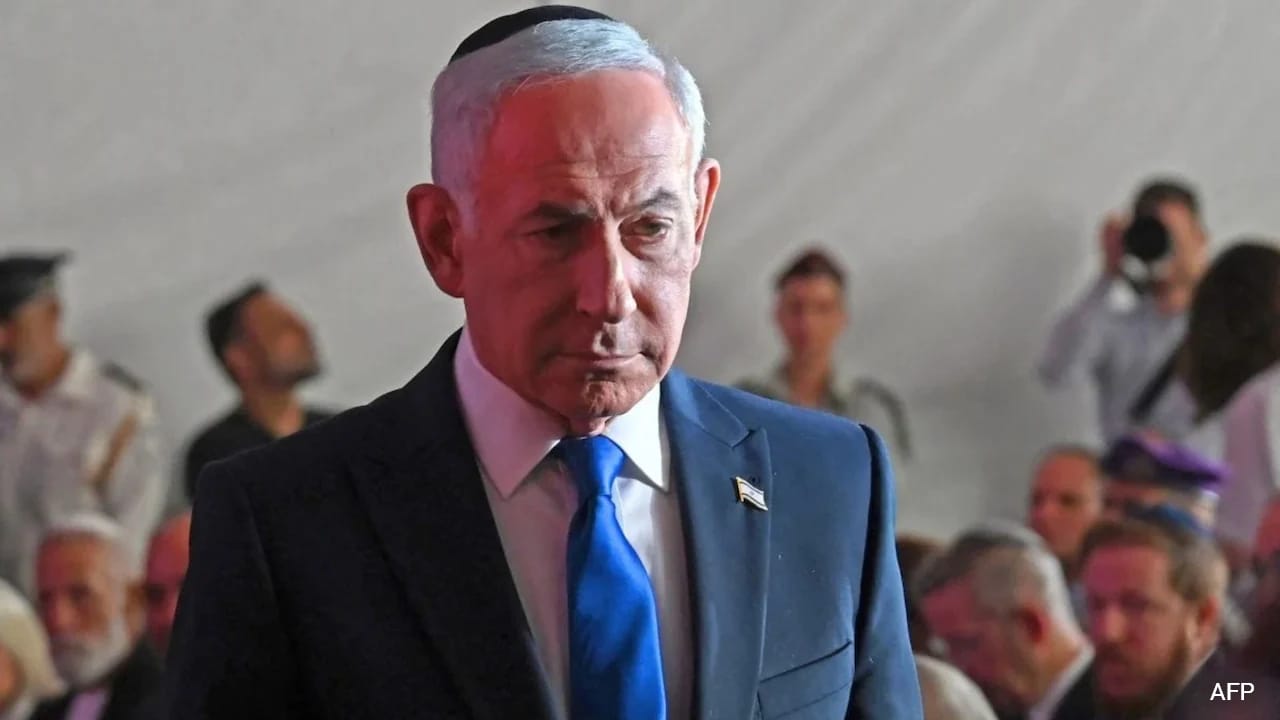
Most coverage of Israel's 2026 election treats it like a simple yes-or-no referendum on Benjamin Netanyahu. It wasn't.
When Israelis went to the polls on October 27, 2026, they didn't just hand down a verdict on the country's longest-serving prime minister. They exposed a deep structural fracture in Israeli democracy that no single ballot box can fix overnight. Netanyahu's right-wing and religious bloc lost its parliamentary majority, dropping from 64 seats to 53. Yet weeks after the official results were certified on November 4, Netanyahu is still sitting in the prime minister's chair as an interim leader while his rivals scramble to assemble a working coalition before a December 6 deadline.
If you're trying to understand how Netanyahu can lose a majority and still hold onto power—or whether former IDF Chief of Staff Gadi Eisenkot can actually pull off a replacement government—you have to look past the surface headlines. The real story sits inside the math of the 120-seat Knesset, a historic surge in Arab voter turnout, and a set of campaign promises that have boxed the opposition into a corner.
The October 27 Vote Was About Much More Than One Man
To understand why 77.98% of eligible voters showed up—the highest turnout Israel has seen in decades—you have to remember what the outgoing 25th Knesset actually lived through. It was the first Israeli parliament since 1988 to complete a full four-year term without collapsing early, ending that exhausting stretch of five consecutive elections between 2018 and 2022.
Stability on paper didn't mean calm on the ground. Far from it.
Those four years included massive street protests over the government's judicial overhaul, the trauma of the October 7 attacks and the brutal Gaza war that followed, regional escalation with Iran, and endless coalition fights over ultra-Orthodox military conscription. By the time October 2026 rolled around, voters weren't just exhausted by the war and the rising cost of living. They were furious about who carries the burden of defending the country.
In an interview with TIME right before the vote, opposition leader Gadi Eisenkot framed the race around national identity—asking what Israel would look like ten or twenty years down the road. That resonated with secular and traditional Israelis who watched reservists serve hundreds of days in uniform while ultra-Orthodox (Haredi) parties fought tooth and nail to preserve draft exemptions.
At the same time, Netanyahu ran on his classic playbook. He positioned himself as the only leader tough enough to manage security threats and push back against international pressure, while warning voters that an opposition victory would hand political leverage to Arab parties. It kept his core base loyal, even if it wasn't enough to save his majority.
Breaking Down the 2026 Knesset Math
Israel uses a closed-list proportional representation system in a single nationwide district. Any party that clears the 3.25% electoral threshold gets into the 120-seat Knesset, and you need at least 61 seats to form a majority government.
Nobody came close to 61 on their own. According to official data from the Central Elections Committee, 5,716,665 valid votes split the parliament into three distinct camps.
The Netanyahu Bloc (53 Seats)
Netanyahu's coalition took a noticeable hit, losing 11 seats overall compared to 2022. Likud remained the single largest party in the country with 27 seats (20.42% of the vote), down nine from its previous 32—Wait, let's be precise here: Likud dropped from 32 seats in 2022 to 27 in 2026, while its allies shuffled around it.
His partners broke down like this:
- United Torah Judaism (UTJ) held steady at 7 seats (5.47%).
- Otzma Yehudit, led by Itamar Ben-Gvir, picked up a seat to reach 7 seats (5.72%).
- Shas, led by Aryeh Deri, suffered a sharp drop, falling from 11 seats down to 6 (5.24%).
- Religious Zionist Party, led by Bezalel Smotrich, took 6 seats (5.08%).
Add them up and you get 53 seats. That's eight short of a majority, leaving Netanyahu without an obvious path back to 61 unless he can peel away defectors from the opposition.
The Zionist Opposition Bloc (48 Seats)
The anti-Netanyahu Jewish parties consolidated heavily before the election, yet they actually lost ground as a combined unit compared to the 2022 opposition map.
- Yashar!, the new centrist-right party led by former IDF Chief of Staff Gadi Eisenkot, surged into second place overall with 21 seats (15.98%).
- Beyachad (Together), a high-profile merger between former Prime Minister Naftali Bennett and Yesh Atid leader Yair Lapid, underperformed expectations and landed at 12 seats (9.31%).
- The Democrats, led by Yair Golan, doubled their strength to 8 seats (6.41%).
- Yisrael Beyteinu, led by Avigdor Lieberman, captured 7 seats (5.90%).
Meanwhile, Benny Gantz's Blue and White collapsed completely and failed to win a single seat, while Yoaz Hendel's party, The Reservists, finished at 2.71%—just shy of the 3.25% cutoff. Those wasted votes hurt the opposition badly.
The Arab Parties (19 Seats)
Here's the biggest story of the entire election, and it's the one most casual observers miss. Turnout across Arab communities spiked dramatically, propelling Arab-led factions to their highest seat total in Israeli history.
The Joint List, headed by Yousef Jabareen, won 11 seats (8.76%). Mansour Abbas's Ra'am (United Arab List), which famously joined the Bennett-Lapid government back in 2021, surged to 8 seats (5.91%). Together, those 19 seats hold the balance of power in the 26th Knesset.
Why Gadi Eisenkot Has the Mandate—and Why His Job Is Brutal
On November 8, four days after receiving the official results, President Isaac Herzog handed Gadi Eisenkot the formal mandate to form Israel's next government. The math behind Herzog's decision was straightforward. Sixty-seven members of the new Knesset—the 48 opposition lawmakers plus all 19 lawmakers from Ra'am and the Joint List—recommended Eisenkot for the job. Only 46 recommended Netanyahu, largely due to internal friction within United Torah Judaism.
Eisenkot was given a 28-day window ending on December 6, with the option for Herzog to grant a 14-day extension.
Sounds simple on paper, right? Sixty-seven is well above 61. Except in Israeli politics, recommending someone to the president and actually sitting in a governing coalition with them are two completely different animals.
Eisenkot is stuck in a trap created by his own allies' campaign pledges. Several key figures in his bloc—most notably Avigdor Lieberman of Yisrael Beyteinu and Naftali Bennett—ruled out forming a government that relies on Arab parties, particularly the Joint List. At the same time, those exact same opposition leaders campaigned aggressively on ending Haredi draft exemptions, which makes bringing Shas or United Torah Judaism into an Eisenkot coalition almost impossible without breaking core promises to secular voters.
"All sides need to understand that I do not intend to drag this out. They need to understand that, at the right time, I will bring a new and good government under my leadership to the Knesset for approval." — Gadi Eisenkot, November 2026
By late November, Eisenkot was openly signaling that he won't let negotiations stall past December 6. His team has been pursuing two parallel tracks—testing whether Haredi parties or even Likud without Netanyahu would join a broad national unity government, while simultaneously preparing a backup plan for a minority government.
Four Realistic Scenarios for What Happens Next
Right now, Israeli politics boils down to four real pathways. None of them are clean, and every single one carries serious political risk.
1. An Eisenkot Minority Government With External Arab Backing
If talks with religious parties and Likud hit a brick wall before December 6, Yashar officials say they will bring a minority government straight to a Knesset confidence vote. In this setup, the four Zionist opposition parties (48 seats) would form the cabinet, while Ra'am and the Joint List (19 seats) would vote to swear it in or abstain from the outside without taking ministerial posts.
It's legal, and it gets Netanyahu out of the prime minister's office immediately. The catch is survivability. A government with only 48 permanent seats has to negotiate every single budget and major security bill vote-by-vote, constantly vulnerable to collapse the moment a crisis flares up in Gaza, Lebanon, or the West Bank.
2. A Broad Unity Government Without Netanyahu
Netanyahu has repeatedly called for a "responsible unity" government, arguing that Israel stands at a historic crossroads and can't afford paralysis. There's just one massive roadblock. Eisenkot, Yair Golan, and Avigdor Lieberman have flatly refused to sit in a cabinet led by Netanyahu, and Yashar has ruled out any prime ministerial rotation deal with him.
For a Likud-Yashar-Beyachad unity government to happen, Likud would have to sideline Netanyahu or convince him to step aside—something he has fought tooth and nail to avoid for years, especially with his ongoing legal troubles hanging over him. Still, when Naftali Bennett held an unexpected meeting with Netanyahu at the Knesset in mid-November, it sent shockwaves through the opposition and proved that backchannel conversations are definitely happening.
3. Netanyahu Clings On by Flipping Opposition Defectors
What if Eisenkot fails to pass a government by December 6 and Herzog refuses an extension? Under Israel's Basic Law, the president can then hand the mandate to another Knesset member—most likely Netanyahu—for a 28-day attempt.
Netanyahu only needs eight seats to turn 53 into 61. He doesn't even need an entire party to defect; he just needs individual lawmakers willing to break ranks in exchange for senior cabinet ministries. Even so, squaring the circle between his far-right partners (Ben-Gvir and Smotrich), the ultra-Orthodox factions, and any potential center-right defectors over military conscription laws would be an absolute nightmare.
4. Yet Another Election in Spring 2027
If both Eisenkot and Netanyahu fail, the mandate shifts to the Knesset itself for a 21-day period where any member who gathers 61 signatures can become prime minister. If that fails too, the 26th Knesset automatically dissolves and Israelis head back to the polls around spring 2027.
Nobody wants this. Public frustration is already sky-high, and keeping Netanyahu in office as a caretaker prime minister for another six months while Israel juggles post-war reconstruction, judicial disputes, and tense relations with Washington would paralyze major policy decisions.
Why This Deadlock Matters Far Beyond Israel's Borders
You don't need to live in Tel Aviv or Jerusalem to feel the ripple effects of this stalemate. A caretaker government in Israel operates under strict legal and political constraints. It can't easily pass sweeping structural budgets, finalize long-term diplomatic frameworks for Gaza's governance, or reset strained regional relationships.
Look at the Knesset's legislative power right now. Even without a new cabinet sworn in, the 67-seat anti-Netanyahu majority in the newly seated 26th Knesset can already pass bills from the floor—including efforts to roll back pieces of Netanyahu's controversial judicial overhaul or push through a universal military draft law that would shatter the Haredi parties' decades-old exemptions. That creates an bizarre split-screen reality where the parliament is actively legislating against the caretaker prime minister who still runs the executive branch.
Meanwhile, recent polling from the University of Haifa shows that 59% of Israeli Arab citizens support Arab parties joining the governing coalition, signaling a profound shift in how Arab voters view their political leverage after years of marginalization. Whether Jewish opposition leaders have the political courage to embrace that support—or whether fear of right-wing backlash forces them into another messy compromise—will define Israeli politics for the next decade.
How to Track the Real Signals Over the Next Few Weeks
If you're following this story in the news, ignore the daily shouting matches on cable panels and watch three concrete indicators instead:
- Watch the Knesset Presidium and Committee Votes. Before a coalition is ever announced, watch who gets elected to chair the powerful Knesset Finance Committee and Foreign Affairs and Defense Committee. Those votes reveal which parties are quietly cutting deals behind closed doors.
- Track the Conscription Bill Timeline. Any draft legislation moving through committee right now is the ultimate litmus test. If Shas and United Torah Judaism see Netanyahu failing to protect their draft exemptions, their loyalty to his 53-seat bloc will evaporate fast.
- Keep Your Eye on December 6. That is the hard deadline for Eisenkot's initial 28-day mandate. If he brings a minority government to the floor before that date rather than asking President Herzog for a two-week extension, it means backchannel talks with Likud and the ultra-Orthodox have officially died—and Israel is entering uncharted constitutional waters.