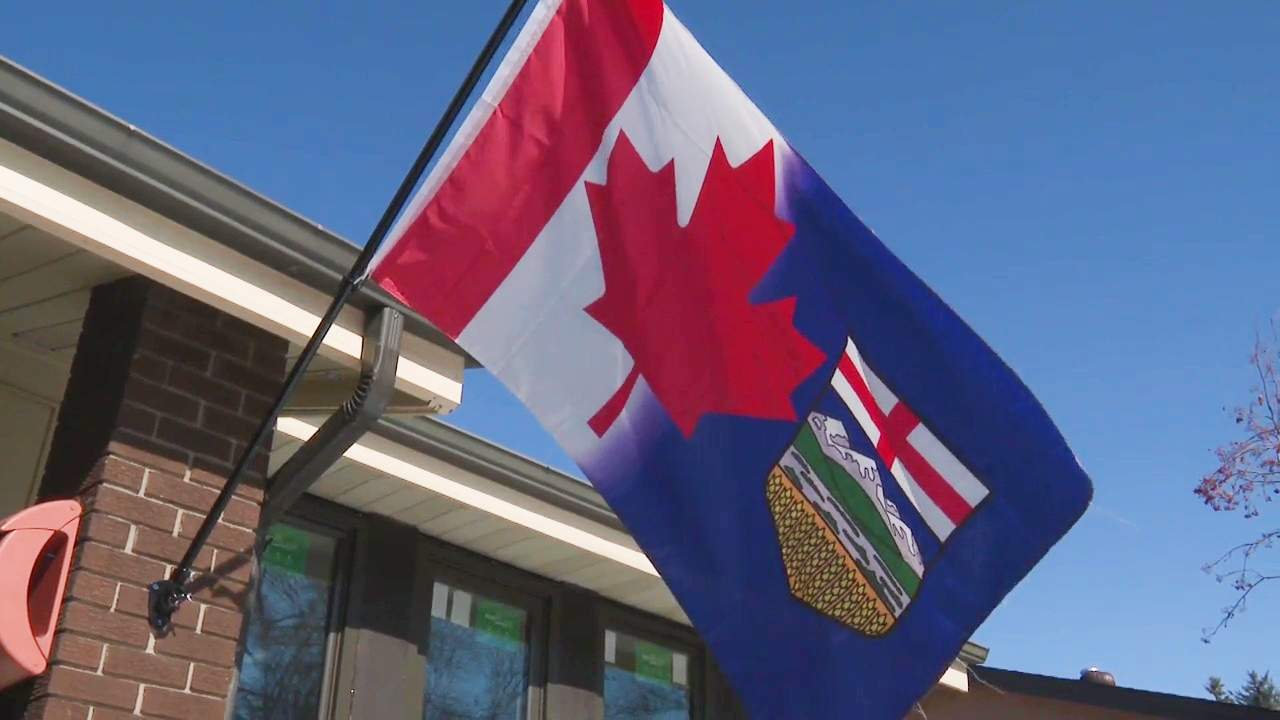
Walk into a diner in rural Taber or a high-rise office in downtown Calgary, and you'll hear the same grumbling. People are angry. The 2025 federal election, which saw Mark Carney and the Liberals retain power, acted like a match thrown onto dry prairie grass. Suddenly, the word "separation" isn't just whispered by fringe groups anymore. It's plastered on lawn signs and discussed over kitchen tables.
The separatist group Stay Free Alberta proved the depth of this anger by dumping over 301,000 signatures onto the desks of provincial officials. They blew past the required threshold to force a vote. Then, the legal system stepped in. A judge struck down the citizen-led petition because organizers completely failed to consult Indigenous communities whose treaty rights are hardcoded into the land.
If Ottawa thought that court ruling would bury the issue, they miscalculated. Premier Danielle Smith bypassed the roadblock by announcing a province-wide vote scheduled for October 19, 2026. Albertans will now decide if the government should kickstart the official legal process toward an independence referendum.
The conversation is shifting fast, but the national debate is plagued by misconceptions. Leaving Canada isn't a simple contractual exit, nor is it a minor tantrum. To understand why some people want to pack their bags while others are fighting to stay, you have to look past the political theater and examine the raw economic anxieties driving the divide.
The Outlier of Global Secession Movements
Most independence movements across the globe are built on distinct cultural foundations. Think of Catalonia’s unique language, Scotland’s centuries of independent history, or Quebec’s distinct societal identity. Political scientists point out that Alberta doesn't fit this mold.
Alberta separatism is driven almost entirely by economic friction and institutional alienation. It is an ideological movement centered on natural resources, tax structures, and a deep-seated belief that the federal system is rigged against the West.
Albertans have long watched billions of dollars flow east through Canada's equalization program. The formula takes revenues from wealthier provinces to ensure poorer regions can provide a baseline level of public services. Because of its massive oil and gas revenues, Alberta hasn't received a dime from equalization since 1965. Meanwhile, federal policies around environmental caps and pipeline restrictions make it harder for the province to generate that very wealth.
This creates a paradox that fuels the independence fire. Proponents argue they are funding a federation that actively tries to dismantle their primary industry. It feels less like a partnership and more like a colonial relationship.
Who Wants Out and Why It's Not Just a Fringe Group
It's easy to dismiss separatists as a loud minority. Polling from firms like Janet Brown Opinion Research consistently shows that only about 27% to 35% of Albertans would vote to leave Canada tomorrow. The massive "No" side sits comfortably around 60% to 67%. But looking at the headline numbers misses the real story buried in the data.
The support for separation isn't uniform. It skyrockets among specific demographics. According to recent polling, nearly 57% of United Conservative Party voters favor cutting ties.
More surprisingly, the highest concentration of separatist sentiment doesn't come from low-income households. It resides among high-earning Albertans who are suddenly struggling to meet their monthly bills.
Imagine making $160,000 a year but watching inflation, high interest rates, and federal carbon pricing eat your disposable income until you're stressed about mortgage payments. That's where the anger lives. These individuals feel they do everything right, work grueling hours in volatile industries, and still get squeezed by a distant government in Ottawa. For them, independence isn't an abstract constitutional theory. It's a radical bid to keep more money in their own pockets.
Mitch Sylvestre and the organizers behind Stay Free Alberta have successfully tapped into this economic anxiety. They pitch independence as a path to self-determination, free from federal overreach and the whims of voters in Ontario and Quebec.
The Hard Reality of the Stay Side
On the other side of the fence, a loose coalition of federalists, business leaders, and everyday residents are scrambling to organize. Former federal cabinet minister Monte Solberg launched a prominent third-party advertising group to campaign for the "Remain" option, and federal Conservative Leader Pierre Poilievre is actively touring his home province to keep the Canadian family together.
The arguments for staying in Canada are grounded in practical, sobering realities.
The Landlocked Trap
If Alberta leaves Canada, it doesn't suddenly move closer to the ocean. It remains landlocked, surrounded by British Columbia, Saskatchewan, and the United States. Under international law, an independent Alberta would have no guaranteed right to run pipelines through foreign territory to reach tidewater. Instead of escaping federal pipeline blockades, a sovereign Alberta could find itself at the mercy of even more complex international negotiations.
The Corporate Exodus
The mere threat of a referendum is already making Bay Street and global investors nervous. Major corporations hate instability. Financial analysts warn that if a "Yes" vote looks likely, capital flight will follow. Companies don't want to hold assets in a jurisdiction with an uncertain currency, unnegotiated trade deals, and undefined borders.
The Indigenous Veto
This is the ultimate roadblock. The historic court decision that derailed the initial petition proved that Alberta cannot simply walk away from its constitutional obligations. Treaty 6, Treaty 7, and Treaty 8 were signed between sovereign First Nations and the British Crown—not the province of Alberta.
Indigenous leaders have made it clear that they have no interest in trading their constitutional relationship with Canada for promises from Edmonton. Any unilateral attempt to secede would trigger a mountain of litigation that could freeze the province's economy for a generation.
Danielle Smith's High Stakes Gamble
Premier Danielle Smith finds herself in a delicate position. Her political coalition relies heavily on the populist, anti-Ottawa base represented by groups like Take Back Alberta. She needs to keep these voters energized to protect her leadership.
Yet, Smith herself has stated she wants Alberta to remain within a united Canada. Her official stance is to push for a sovereign Alberta inside the federation, using the threat of separation as leverage to extract concessions from Prime Minister Mark Carney.
By putting a question about a referendum on the October ballot, Smith is attempting to thread a needle. The upcoming vote asks if the province should start the legal process required under the Canadian Constitution to hold a binding vote later. Because it's a policy question, the result isn't legally binding on her government, though she has promised to respect the outcome.
It's a high-stakes strategy. If the "No" side wins handily in October, Smith can tell the hardline separatists that she gave them their shot and the public declined, effectively closing the book on the issue. But if the "Yes" side outperforms expectations, she might find herself leading a charge she never actually wanted to join.
What Happens Next
The next five months will see an aggressive campaign across the province. If you live in Alberta, or have investments tied to Western Canada, you need to prepare for the fallout of this debate. Here are the immediate steps to take as the October 19 vote approaches:
- Watch the Capital Flight: Monitor the commercial real estate and investment sectors in Calgary and Edmonton. If major players start pausing projects or moving head offices, it’s a sign the market is pricing in the risk of political instability.
- Track the Legal Precedents: Keep an eye on how First Nations leadership responds to the new provincial referendum question. Any early injunction filings will give a clear indication of how messy the legal battle will get.
- Diversify Financial Exposure: If your personal wealth is heavily concentrated in Alberta-focused equities or localized real estate, consider diversifying into broader national or international assets to buffer against regional market volatility.
This isn't a simple debate about national pride versus regional grievance. It's a complex economic calculation being made by a population that feels ignored by its federal government. Whether Alberta stays or starts the long journey to leave, the economic landscape of Western Canada will never be the same.